



The Global Journey of Crude Oil
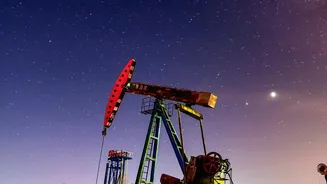
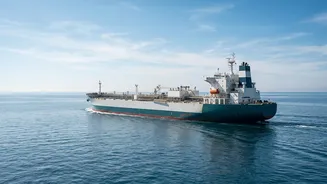
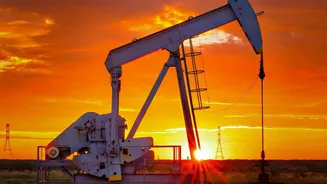
It all begins with crude oil, the raw material drilled from the ground in countries far from India. The price of this commodity is set on a global market, influenced by factors like supply and demand, geopolitical events, and the decisions of oil-producing
cartels like OPEC+. Because India imports over 85% of its crude oil needs, it is highly vulnerable to these international price swings. When conflict disrupts supply in the Middle East or global demand surges, the cost for Indian refineries to buy a barrel of oil rises. This price is calculated in US dollars, so a weaker rupee also makes these imports more expensive, adding another layer of cost before the oil even reaches our shores.
From Crude to the Dealer: The Base Price
Once imported, crude oil is sent to refineries where it's processed into petrol and diesel. This refining process has its own costs. The price that emerges from the refinery, often called the 'base price', includes the original crude cost, freight charges for transportation within India, and a margin for the Oil Marketing Companies (OMCs) like IOCL, BPCL, and HPCL. These companies are supposed to adjust this price daily based on international rates. However, in practice, retail prices are often kept stable for extended periods for political or economic reasons, meaning OMCs sometimes absorb losses when crude is expensive or make up for them when it's cheaper.
The Biggest Component: Central and State Taxes
Here's the part that surprises many: taxes often make up more than half the retail price of petrol and diesel in India. This is the most significant factor in why fuel costs so much. The tax structure has two main parts. First, the Central Government levies a fixed 'excise duty' on every litre of fuel, which is the same across the country. This is a major source of revenue for the central government. Second, each State Government adds its own Value Added Tax (VAT), which is a percentage of the price. Since VAT rates vary widely from state to state, fuel prices can be significantly different in cities like Mumbai compared to Delhi or Chandigarh. Because VAT is a percentage, if the base price or central excise duty goes up, the state's tax revenue also increases automatically.
The Ripple Effect on Your Daily Commute
For those who don't own a private vehicle, the link might seem less direct, but it's just as strong. The fares for auto-rickshaws, buses, and app-based cabs are heavily influenced by fuel costs. State transport corporations and private operators eventually have to pass on the burden of higher diesel and CNG prices to passengers through fare hikes. Even if fares don't rise immediately, the financial pressure on transport operators builds. Moreover, since nearly all goods in India are transported by trucks running on diesel, higher fuel prices lead to increased freight costs. This 'cost-push' inflation means everything from vegetables to consumer goods gets more expensive, squeezing household budgets from all sides.
Informed Citizens, Smarter Choices
While you can't control the price of Brent crude oil, understanding this chain gives you context for your household expenses. It explains why fuel prices don't always fall when global oil prices do, as governments often use those periods to increase taxes rather than pass on the benefit. This knowledge helps in budgeting for transport costs, which surveys show are a growing concern for Indian households. It also empowers you as a citizen to engage in discussions about fuel taxation policies and the national push towards alternatives like electric vehicles, which can insulate commuters from the volatility of oil markets. Being aware of the components in your fuel bill is the first step toward navigating its impact on your financial life.