





Why Wall Steps Are a Feline Fantasy
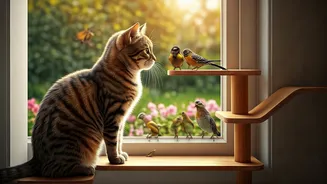
Cats are natural climbers, hardwired with the instinct to seek high vantage points. In the wild, this behaviour helps them spot prey and avoid predators. For indoor cats, vertical space provides a sense of security and a stimulating environment. Wall-mounted
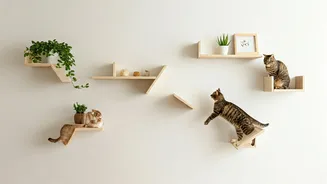
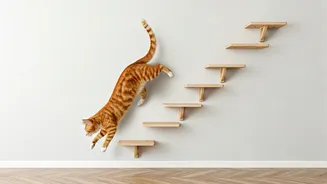
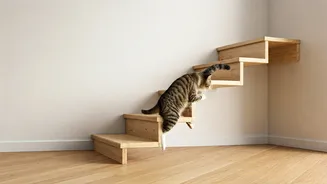
steps, often called 'cat shelves' or a 'cat highway', offer an enriching playground that encourages exercise and exploration. They can reduce boredom and stress, especially in multi-cat households where vertical territory helps establish hierarchy and minimize conflict. [4, 15] Beyond the benefits for your pet, custom-built wooden steps can be a beautiful, modern addition to your home, seamlessly blending your cat's needs with your interior design. [8]
Planning and Designing Your Cat's Stairway
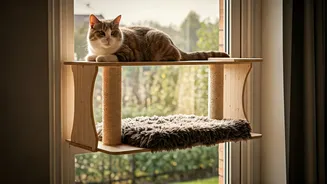
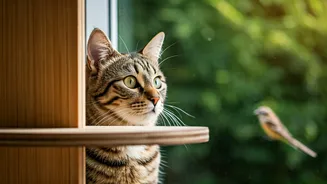
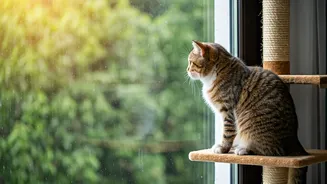
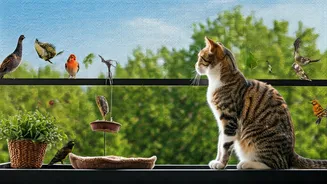
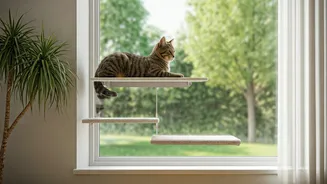
Before you start cutting wood, take some time to plan. Observe your cat's habits and choose a location that makes sense, like a living room wall where they can survey the action or a quiet spot near a window for bird-watching. [18, 19] Use painter's tape to map out a potential route on the wall. Cats often prefer to move diagonally rather than straight up, so a staggered layout is usually best. [13] Plan for steps to be spaced about 12 to 18 inches apart horizontally and vertically to allow for comfortable, safe jumps. [15] Ensure the shelves are at least 10 to 12 inches deep to provide a stable landing platform. [4, 20] Consider the needs of your specific cat; kittens or senior cats will need steps that are closer together and not too high off the ground. [4, 17]
Gathering Your Materials and Tools
Choosing the right materials is crucial for both safety and style. For the steps themselves, solid wood or high-quality plywood are excellent choices for their strength and durability. [9, 22] Pine is affordable and easy to work with, while harder woods like oak or birch offer greater durability and a more premium look. [8, 12] Avoid particle board or MDF, as they are not strong enough to handle a cat's dynamic movements. [22] You will also need strong metal L-brackets, a stud finder, a power drill, a level, a tape measure, and screws. For mounting, it's essential to use wood screws that are long enough (at least 2.5 inches) to anchor securely into wall studs. [9, 13]
Crafting the Steps with a Touch of Elegance
Once you have your wood, measure and cut your steps to the desired size. After cutting, thoroughly sand all surfaces and edges to create a smooth, splinter-free finish. This is key to achieving an 'elegant' look. When it comes to finishing, safety is paramount. Choose a non-toxic, pet-safe stain or finish. [10] Look for water-based products or those specifically labelled as low-VOC or zero-VOC and safe for pets once fully cured. [1, 2] Many pet-safe finishes, like those made with tung oil or PolyWhey technology, provide durable protection without harmful chemicals. [3, 7, 10] Always allow the finish to cure completely in a well-ventilated area before installation. [10]
The Crucial Step: Secure Wall Mounting
The safety of your cat depends entirely on how securely the steps are mounted. Drywall alone is not strong enough to support a cat's weight, especially when they are jumping. You must anchor the brackets into the wooden or metal studs within your walls. [9, 13] Use a stud finder to locate the studs, which are typically spaced 16 or 24 inches apart. [9] Mark your drill points with a pencil, using a level to ensure the brackets are perfectly straight. Drill pilot holes into the center of the studs before driving in the screws to prevent the wood from splitting and ensure a tight fit. [13, 18] Attach the brackets to the wall first, then place the wooden shelf on top and secure it to the brackets from underneath with shorter screws. [6]
Finishing Touches and Introduction
To make the steps even more appealing and functional, consider adding some grip. You can attach pieces of carpet, sisal fabric, or a scratching mat to the top of some or all of the steps using a strong, non-toxic adhesive or hook-and-loop tape. [15, 18, 20] This provides a satisfying surface for scratching and extra traction for confident climbing. Once your elegant steps are installed, it’s time for the grand reveal. Don't be discouraged if your cat is hesitant at first. You can entice them to explore their new vertical world by placing treats, catnip, or their favorite toys on the steps. Use a laser pointer or feather wand to guide them up. Soon enough, they will claim their new elevated kingdom as their own.