

Why Protein Matters at Dinner
An evening meal rich in protein does more than just curb late-night hunger pangs. Protein is essential for repairing tissues and building muscle, processes that are active while you sleep. It also helps stabilize blood sugar levels, preventing the energy
spikes and crashes associated with carbohydrate-heavy meals. This leads to a feeling of sustained fullness and can support weight management goals by helping you feel more satisfied. A protein-focused dinner sets the stage for overnight recovery and a more balanced start to the next day.
Tofu: The Versatile Plant-Based Block
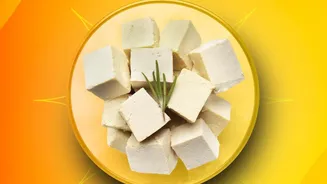
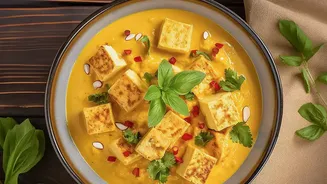
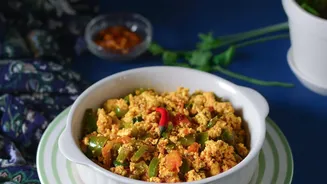
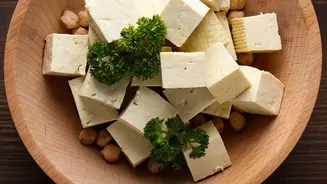
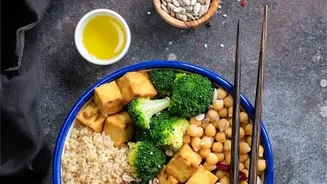
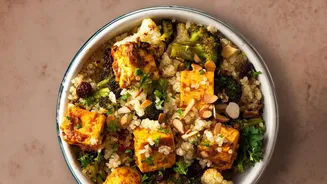
Tofu, made from condensed soy milk, is a cornerstone of plant-based diets for good reason. It is a complete protein, meaning it provides all nine essential amino acids your body needs from food. Depending on its firmness, a 100-gram serving can offer between 8 to 17 grams of protein. Because it's low in calories and fat, tofu is an excellent lean protein source for dinner. It's also prized for its versatility; its neutral taste allows it to absorb the flavours of marinades and spices, making it a perfect addition to stir-fries, curries, and scrambles. Beyond protein, tofu is often a good source of iron and calcium, especially when calcium sulfate is used in its production.
Paneer: The Rich and Creamy Favourite
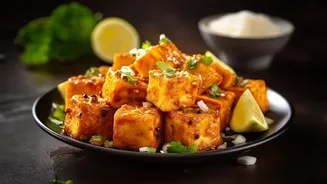
A fresh, non-melting cheese integral to Indian cuisine, paneer is a protein heavyweight. A 100-gram portion typically contains a substantial 18 to 21 grams of protein. The primary protein in paneer is casein, which is known for being slow-digesting. This quality promotes a gradual release of amino acids, making it exceptionally good for satiety and overnight muscle repair. Paneer is also a significant source of calcium, crucial for bone health. While it is higher in fat and calories compared to tofu, these fats contribute to its rich flavour and ability to keep you feeling full for longer, making it a satisfying choice for dishes like palak paneer or paneer tikka.
Lentils: The Fibre-Packed Powerhouse
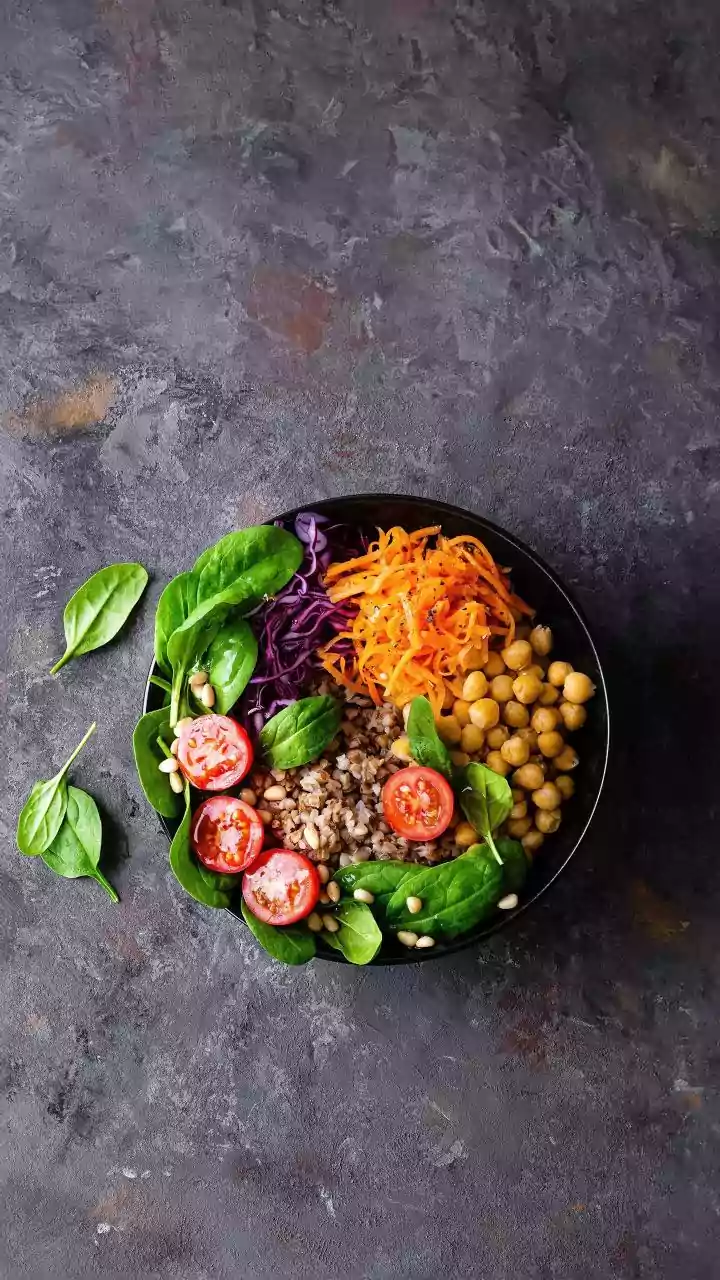
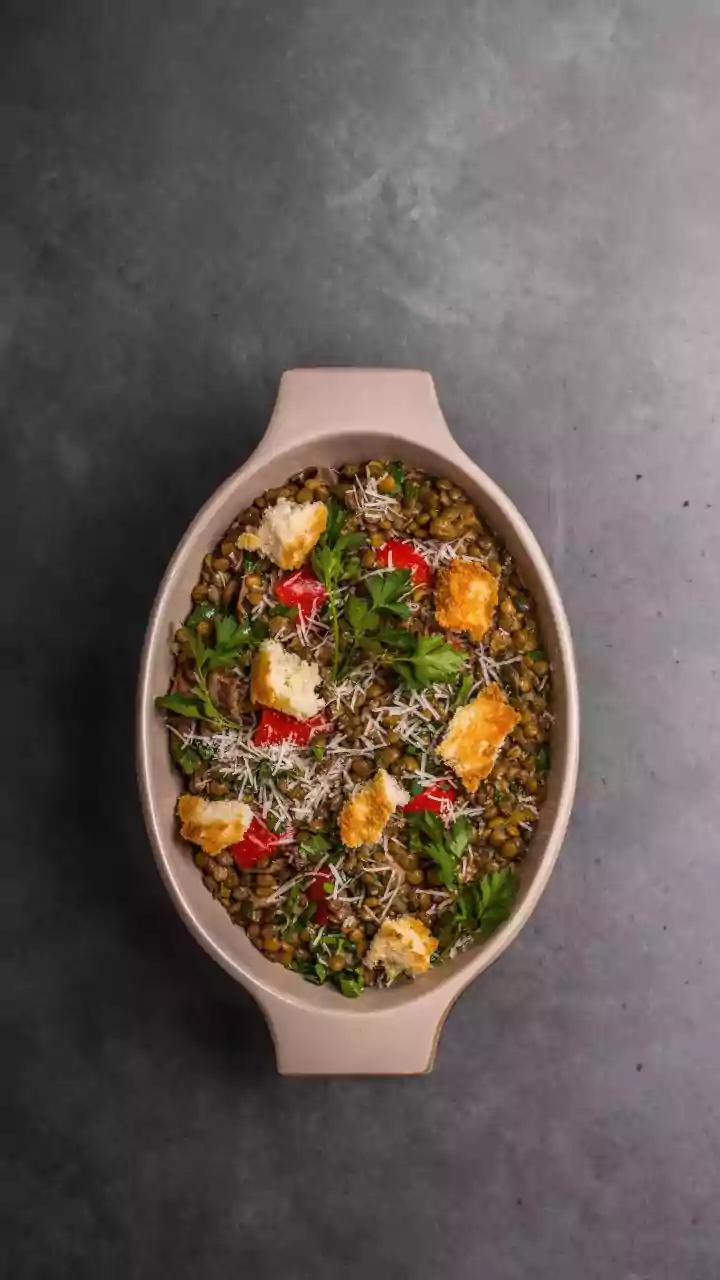
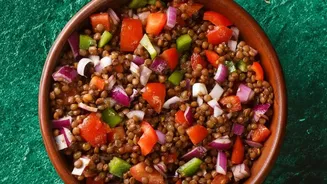
Lentils are humble but nutritionally mighty legumes. A cooked cup of lentils provides around 18 grams of protein and an impressive 15.6 grams of fibre. This combination of protein and high fibre is key to their health benefits. The fibre aids digestion, helps you feel full, and supports stable blood sugar levels. Lentils are also an excellent source of essential nutrients like folate and iron, which can sometimes be lower in vegetarian diets. Available in various types like brown, green, and red, lentils are incredibly versatile and budget-friendly. They form the perfect base for hearty soups, stews (dal), salads, and even plant-based burgers, providing sustained energy that lasts through the evening.
Making the Right Choice for Your Meal
Choosing between tofu, paneer, and lentils depends on your dietary goals and taste preferences. For a lighter, lower-calorie meal where you want the protein source to absorb other flavours, tofu is an ideal pick. When you desire a richer, creamier texture and maximum satiety, paneer is an excellent option, though portion size is key due to its higher calorie density. For a meal that delivers a powerful combination of protein and gut-healthy fibre, lentils are an unmatched, affordable choice. All three can be prepared in healthy ways, such as grilling, baking, or light sautéing, to create a balanced and energising evening dinner. By keeping these staples in your kitchen, a high-protein vegetarian meal is always within reach.