






A Change in the Indian Traveller
The pandemic fundamentally altered how many Indians think about travel. Confined to their homes, people developed a powerful craving for open spaces, fresh air, and a slower pace of life. This has translated into a tangible shift away from whirlwind,
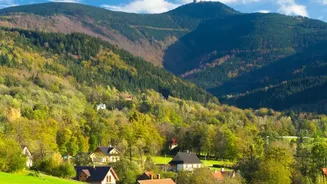
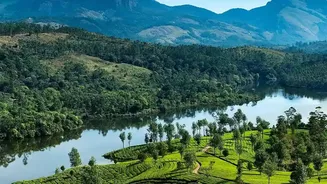
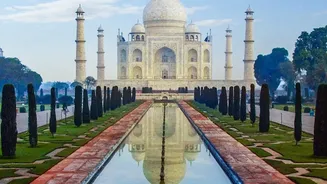
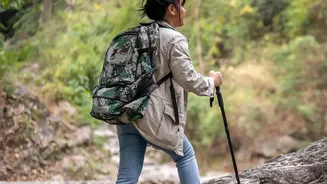
checklist-style tours towards more meaningful and immersive journeys. Travellers are now increasingly seeking out 'slow travel' experiences, where the goal isn't just to see a place but to connect with it. This includes longer stays, often facilitated by remote work flexibility, and a desire for authentic experiences that go beyond the surface. The demand is no longer just for leisure and heritage, but for spiritual, wellness, and nature-based trips that offer a genuine escape.
The Rise of the Conscious Tourist
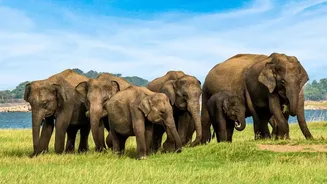
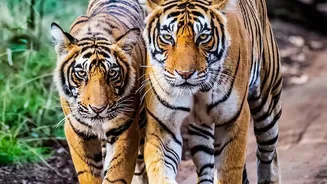
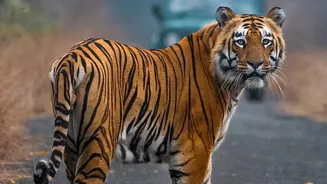
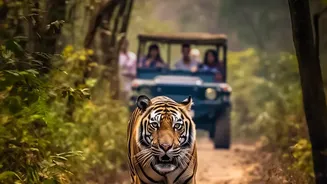
Today’s traveller is increasingly aware of their environmental and social impact. There's a growing desire for 'conscious travel'—journeys that are not only enjoyable but also beneficial to the planet and local communities. This trend puts rural and wildlife destinations at a distinct advantage. Wildlife tourism, for example, is experiencing an annual growth rate of approximately 15% in India, partly driven by a heightened awareness of conservation. Travellers are choosing eco-lodges and operators that prioritize animal welfare and habitat preservation. Similarly, rural tourism allows travellers to contribute directly to local economies, empowering communities and helping to preserve traditional ways of life. This shift is particularly strong among Millennial and Gen Z travellers, who actively seek out sustainable options.
Government and Private Sector Push
This emerging trend is being actively supported by both government policy and private enterprise. Initiatives like the 'Dekho Apna Desh' campaign encourage Indians to explore their own country, with a special focus on developing lesser-known destinations. The government's National Strategy for Rural Tourism aims to create livelihoods in villages by developing homestays and showcasing local art and culture. States like Uttar Pradesh and Sikkim are leading the charge with ambitious plans for farm stays and adventure tourism in rural hubs. At the same time, the private sector is responding to this new demand. Branded operators are moving into wildlife destinations like Ranthambore and Satpura, while the homestay market is booming. In 2022 alone, the homestay segment in India grew by 85%, far outpacing hotel growth.
From Safaris to Immersive Stays
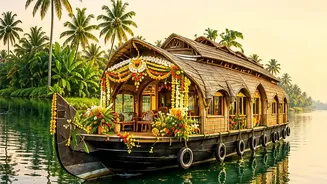
The nature of the experience itself is evolving. Wildlife tourism is moving beyond the traditional jeep safari, which can often lead to congestion in popular parks. The new focus is on more holistic experiences like guided nature walks, birding, photography tours, and conservation-led travel. Travellers are staying longer—often for three to five nights—to truly immerse themselves in the landscape. In rural areas, the attraction lies in experiences that hotels cannot offer: participating in regional cooking workshops, learning local crafts, and understanding the rhythms of village life. This is being facilitated by a surge in unique accommodations, from farm stays offering hands-on agricultural experiences to heritage properties that have been lovingly restored.
The Road Ahead: Challenges and Opportunities
While the potential is immense, this shift is not without its challenges. Improved connectivity via new expressways and digital infrastructure is crucial for making remote areas accessible. Ensuring that tourism growth is truly sustainable and doesn't overwhelm fragile ecosystems or local cultures is a delicate balancing act. The key will be to manage visitor flows, promote responsible practices, and ensure that the economic benefits are distributed equitably. As India's tourism sector continues to recover and grow—with domestic travel now well above pre-pandemic levels—this focus on rural and wildlife destinations offers a path to a more diverse, resilient, and inclusive tourism economy for the future.