






The Unseen Challenge of Wind
A breezy balcony might feel pleasant to us, but for plants and pollinators, it's a constant battle. Strong or persistent wind has several negative effects. Firstly, it acts like a blow-dryer, rapidly pulling moisture from both the soil in your pots and the leaves
of your plants. This leads to dehydration, wilting, and brown, crispy leaf edges. Secondly, the physical force of the wind can be destructive. It can shred delicate leaves, snap tender stems, and tear off flowers before they have a chance to offer nectar. For pollinators like bees and butterflies, a windy balcony is a difficult environment. Gusts can make it hard for them to fly, approach flowers, and land safely to feed, forcing them to expend precious energy just to stay stable.
Creating a Calm Oasis
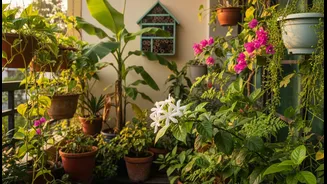
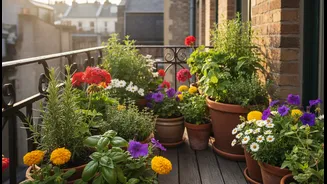
Taming the wind doesn't mean eliminating it entirely, but rather reducing its force. Creating a windbreak is the most effective strategy. This can be as simple as installing a lattice screen, bamboo fencing, or even a breathable fabric panel along the most exposed side of your railing. These barriers slow the wind down without stopping airflow completely. Another effective technique is to group your pots together. This creates a shared microclimate where the plants shelter one another. Placing taller, more robust plants on the windiest side can create a living shield for smaller, more delicate ones behind them. Also, consider the pots themselves. Heavier materials like wood or ceramic are less likely to tip over than lightweight plastic. Grouping several smaller pots inside a larger, heavier planter can also provide stability.
When Sunshine Becomes Too Much
While most flowering plants need sun, the harsh, direct afternoon heat found on many balconies can be detrimental. Intense sun scorches leaves, causing discoloration and damage. It also heats up containers, especially dark-coloured plastic ones, essentially baking the root systems and stressing the plant. For pollinators, extreme heat poses a direct threat. High temperatures can reduce the quantity and nutritional value of nectar and pollen. It can even shorten the viable life of pollen from a full day to just a couple of hours. Many flowers may even close up during the hottest part of the day to conserve moisture, making them unavailable to visiting insects. Furthermore, pollinators like bees are less active in extreme heat, preferring to stay close to their hives to conserve energy.
Smart Solutions for Shade
Providing relief from the afternoon sun is crucial. The easiest solution is often a movable one, like a garden parasol or a retractable awning that can be used during the peak heat hours, typically from late morning to mid-afternoon. Another excellent and widely used option is shade cloth. This special fabric is designed to filter sunlight, reducing its intensity while still allowing enough light for photosynthesis to occur. It comes in various opacity levels, allowing you to choose how much light to block, and can be easily attached to railings or a simple frame. You can also use your plants to create shade. Grow a tall, sun-loving climber like Butterfly Pea on a trellis to cast a protective shadow over more sensitive plants. Arranging pots in tiers, with sun-lovers on top and shade-tolerant species below, is another effective strategy.
Choosing Resilient Beauties
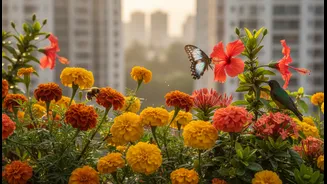
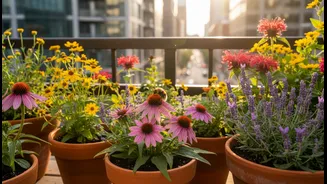
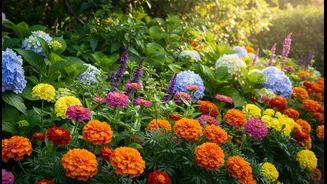
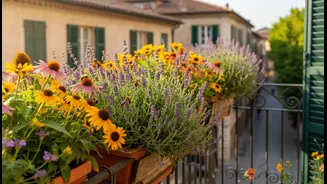
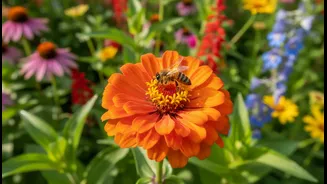
Selecting the right plants is half the battle. For a hot and potentially windy Indian balcony, choose species that are naturally hardy. Marigolds (Genda) are a fantastic choice, as they are tolerant of heat, attract bees and butterflies, and their sturdy stems hold up well. Zinnias are another fast-growing, heat-loving flower that provides a continuous source of nectar. For fragrance and pollinator appeal, Tulsi (Holy Basil) and Lavender are excellent options that thrive in sunny conditions. Succulents like Sedum can also be great additions; they are extremely drought-tolerant and their flowers attract pollinators. Grouping these resilient plants can create a beautiful and functional habitat that stands up to the elements.