




Understanding Post-Monsoon Frizz
After weeks of high humidity, your hair has been through a lot. Frizz occurs when the outer layer of your hair, the cuticle, lifts to let in moisture from the air. This causes the hair shaft to swell and appear rough and puffy. The post-monsoon period
in India often maintains a tricky level of humidity—enough to cause frizz, but mixed with dry air that can also leave hair feeling dehydrated. This combination makes hair, especially if it's naturally dry, wavy, or chemically treated, particularly unruly. The goal isn't to fight the weather but to work with it by sealing the hair cuticle to lock in the right amount of moisture.
The 'Weigh-Down' Problem with Heavy Oils
The common fear with hair oils is that they will make hair look greasy and heavy. This is a valid concern, especially for those with fine or thin hair. Heavier oils, like castor oil or sometimes even un-fractionated coconut oil, have larger molecules that can coat the hair shaft rather than penetrating it, leading to a flat, oily look. Lightweight oils, often called 'dry oils', have a smaller molecular structure, allowing them to be absorbed more quickly. They can deliver nourishing benefits and smooth the cuticle without leaving behind a heavy residue. The key is to match the oil's properties to your hair's texture and needs.
Top Lightweight Oils for Frizz Control
For post-monsoon frizz, your best bet is an oil that offers moisture and sealing properties without the bulk. Here are some of the most effective lightweight options: Argan Oil: Often called 'liquid gold', argan oil is rich in antioxidants and vitamin E. Its molecules are small enough to penetrate the hair shaft, helping to smooth frizz, add shine, and improve manageability without a greasy feel. It's a fantastic all-rounder for most hair types. Jojoba Oil: This oil is unique because its structure is very similar to the natural sebum produced by your scalp. This allows it to absorb beautifully, moisturising the hair and balancing scalp oiliness without clogging pores or weighing strands down. It's particularly great for those with fine hair or an oily scalp. Grapeseed Oil: One of the most lightweight oils available, grapeseed oil is non-greasy and packed with antioxidants. It's excellent for adding shine and taming flyaways, making it ideal for daily use on fine hair. Camellia Seed Oil: A favourite in Japanese hair care, camellia oil is a superb emollient that seals in moisture and leaves hair feeling silky and smooth. It's incredibly light and effective at fighting humidity-induced frizz.
When Heavier Oils Can Help
While lightweight oils are generally best for post-styling frizz control, richer oils have their place, especially for those with very dry, thick, or coarse hair. Coconut oil, for instance, is proven to reduce protein loss from hair when used as a pre-shampoo treatment. By applying it to your lengths and ends for an hour before washing, you can deeply nourish the hair. Similarly, a small amount of olive oil can work as a deep-conditioning treatment to lock in moisture. For these hair types, the trick is to use heavier oils as intensive treatments that are washed out, rather than as leave-in stylers.
Application Is Everything
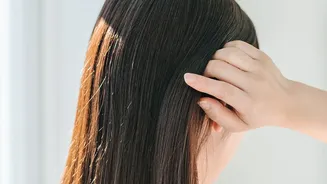
How you apply your hair oil is just as important as which one you choose. To avoid a greasy finish, follow these simple rules. First, less is more. Start with just one or two drops, warm the oil between your palms, and then gently work it through your hair. Focus the application on the mid-lengths and ends, where hair is typically the driest and most prone to frizz, and avoid the roots. Applying oil to damp, towel-dried hair is often most effective, as it helps to seal in hydration as the hair dries. If using on dry hair, use an even smaller amount to simply smooth flyaways and add a final touch of shine.