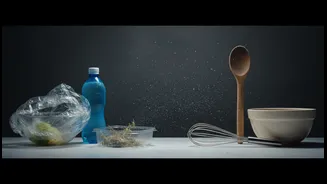

What Exactly Are We Eating?
Microplastics are tiny plastic fragments less than five millimeters long. They originate from two main sources: primary microplastics, which are intentionally manufactured small particles like microbeads once found in cosmetics, and secondary microplastics, which result
from the breakdown of larger plastic items like bottles, bags, and synthetic clothing. These particles pollute our oceans, soil, and air, inevitably making their way into the food chain. Scientists have found them in everything from our blood and lungs to the placenta, raising concerns about potential health impacts like inflammation, immune system impairment, and reproductive issues.
The Journey From Plastic to Plate
Microplastics enter our diet through several pathways. In the marine environment, small organisms mistake plastic particles for food. These organisms are then eaten by larger fish, leading to a concentration of plastics up the food chain that can end up on our plates. But it isn't just seafood. Fruits and vegetables can absorb microplastics from contaminated soil and water. A 2020 study, for example, identified apples and carrots as having some of the highest concentrations among produce. Furthermore, food and beverage processing and packaging are significant contributors. Plastic packaging can shed particles into the food it contains, a process that can be accelerated by heat, such as when microwaving food in a plastic container.
Foods That May Carry a Higher Load
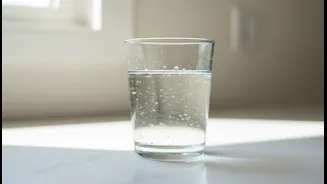
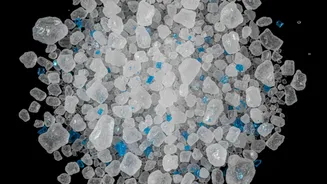
While completely avoiding microplastics is nearly impossible, some foods are known to be bigger sources. Bottled water is a major one, with studies showing it can contain significantly more plastic particles than tap water. Highly processed foods, such as chicken nuggets or fish sticks, tend to contain more microplastics than their unprocessed counterparts like raw chicken breast, likely due to the extensive use of plastic equipment in production. Shellfish that are consumed whole, like mussels and oysters, can be particularly high in microplastics as they are filter feeders that ingest particles directly from the water. Other common sources include tea bags made of plastic, sea salt, and even beer.
Smart Swaps for a Lower-Plastic Diet
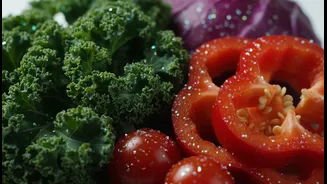
The good news is that simple, conscious choices can help reduce your intake. One of the most effective steps is to drink filtered tap water instead of bottled water. Opting for a reusable glass or stainless steel bottle further reduces plastic exposure. When it comes to food, prioritize fresh, whole foods over highly processed and packaged options. Buying bread from a bakery in a paper bag, choosing loose fruits and vegetables, and cooking from scratch can make a significant difference. Recent studies have even explored how certain foods, like kimchi, contain probiotic bacteria that may help the body remove microplastic particles, though more research in humans is needed.
Beyond the Kitchen: Storage and Cooking Habits
Your choices don't stop at the grocery store. How you store and prepare food matters. Avoid microwaving food in plastic containers; transfer it to glass or ceramic instead. Replace plastic cutting boards, which can shed particles into your food during chopping, with wood or bamboo alternatives. When storing leftovers, use glass containers instead of plastic ones. Even your cooking utensils can make a difference; opt for wood or metal over plastic. These small adjustments in your daily routine can collectively lower your household's exposure and contribute to this growing movement for a less-plastic life.