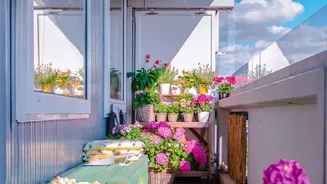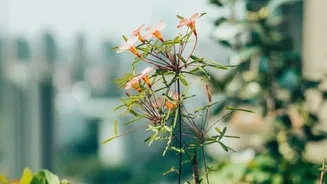

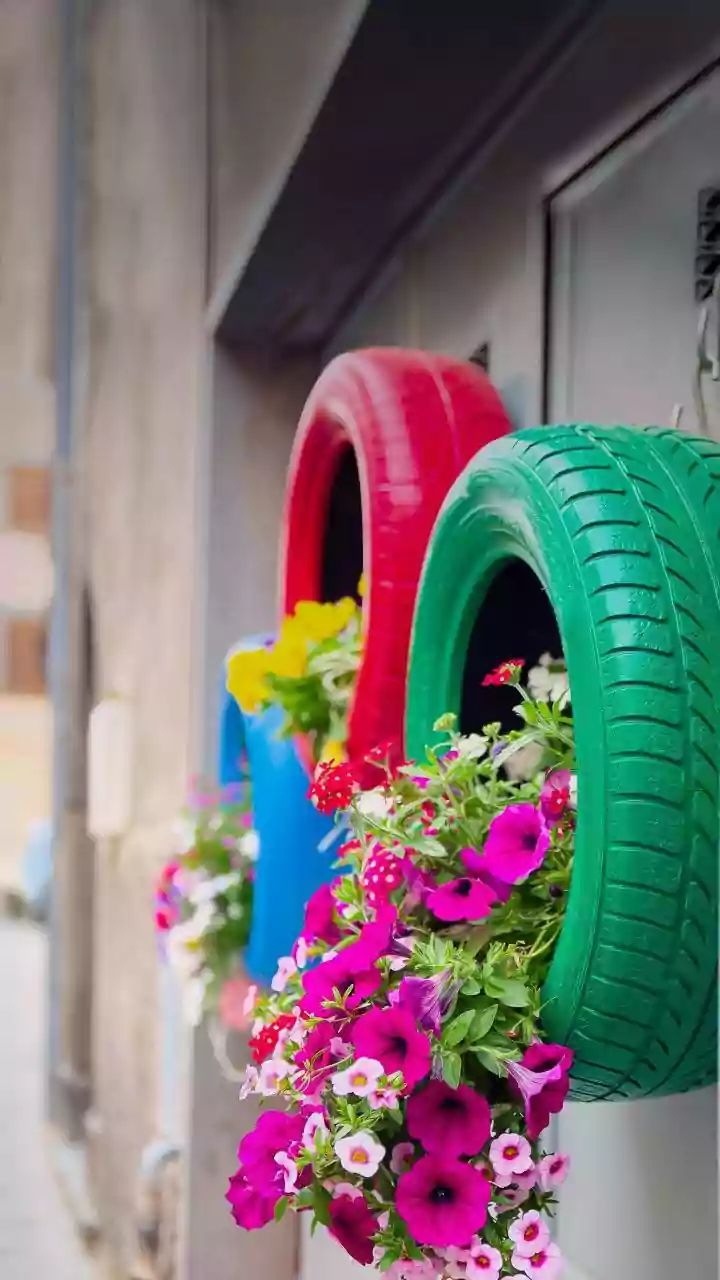

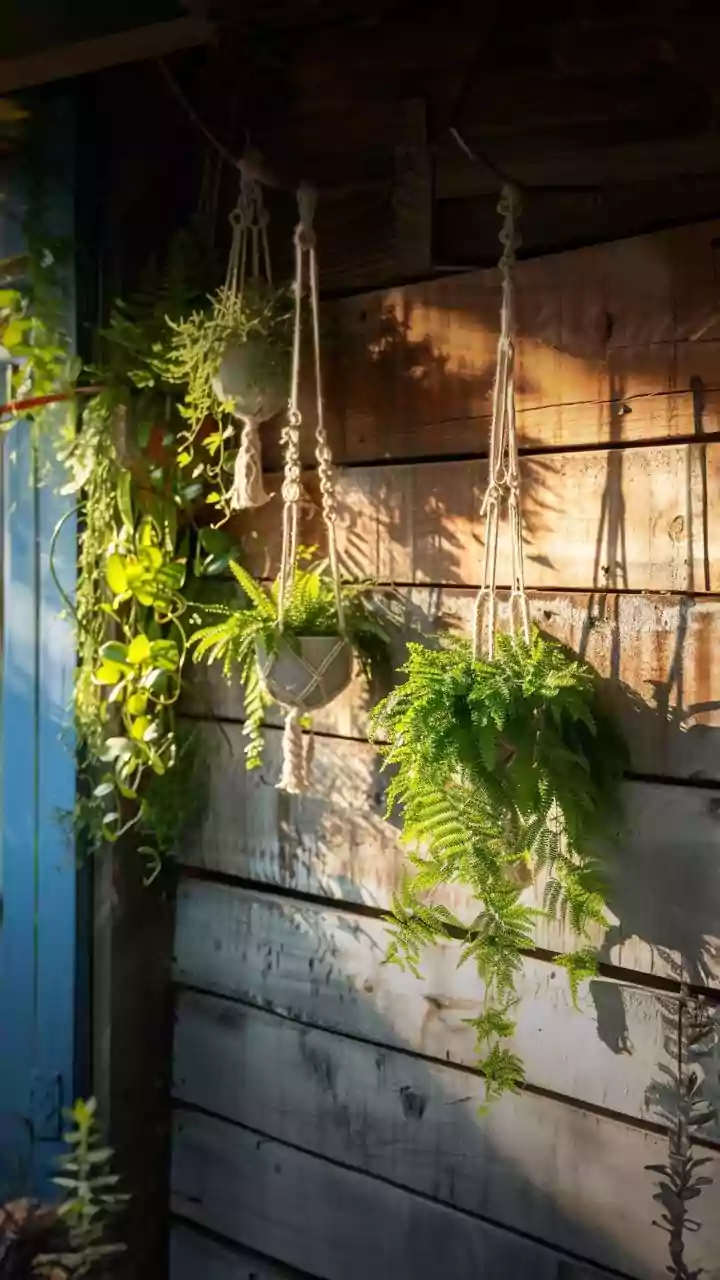

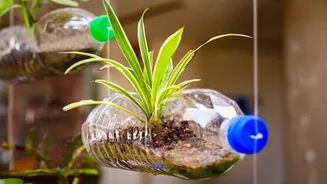

In the sprawling concrete jungles of India’s metro cities, a quiet revolution is taking root, one balcony at a time. It may seem small, but your collection of potted plants can play a surprisingly large role in urban renewal.
The Urban Pollinator Problem
Our cities are expanding at
a rapid pace, replacing lush habitats with buildings and roads. This urbanisation poses a significant threat to our ecosystems. Native pollinators—like India’s diverse bees, butterflies, and moths—are finding it harder to survive. These creatures are essential for food production and biodiversity, responsible for pollinating everything from vegetables in kitchen gardens to wildflowers. However, habitat loss, pollution, and the widespread use of pesticides are causing their numbers to decline, a trend noticed in cities like Bengaluru where the familiar buzz in gardens is fading.
Green Stepping Stones
This is where your balcony comes in. While a single small garden can't form a corridor on its own, a network of them creates what ecologists call a 'stepping stone' corridor. Imagine a bee or a butterfly trying to navigate a vast city. A continuous green path is ideal, but a series of small, resource-rich stops—like your balcony—can serve as a lifeline. These green patches allow pollinators to rest, feed, and continue their journey, bridging the gap between larger green spaces like parks and nature reserves. When you and your neighbours cultivate pollinator-friendly plants, you are collectively building a functional, living highway for these vital species.
Plants for a Pollinator Paradise
To turn your balcony into an effective pollinator pitstop, choosing the right plants is key. Native species are often the best choice as they have co-evolved with local wildlife. India is home to a variety of honey bee species, including the dwarf honey bee (Apis florea) and the Indian honey bee (Apis cerana indica), which are crucial for urban pollination. These bees, along with countless butterflies and other insects, are attracted to specific flowers for nectar and pollen.
Your Balcony Garden Shopping List
Creating a welcoming space for pollinators is easier than you think. Many of these plants are low-maintenance and perfectly suited for the Indian climate. Consider planting Marigolds (Genda), whose bright colours are highly visible landing pads for bees. Holy Basil (Tulsi) is another excellent choice, producing tiny, nectar-rich flowers that provide a steady food source. Sunflowers provide nectar while blooming and seeds for birds later. For climbers, the beautiful Aparajita (Butterfly Pea) is a favourite of butterflies and grows well on railings. Other great options for sunny balconies include Zinnia, Hibiscus, and Lavender, all of which attract a variety of bees and butterflies.
Gardening for Maximum Impact
Beyond plant selection, a few simple practices can make your balcony even more beneficial. Most importantly, avoid chemical pesticides. These products are a major threat to pollinators and can undo all your good work. Instead, opt for natural pest control methods. Provide a shallow dish of water with pebbles or marbles for insects to land on and drink safely. Planting a variety of flowers that bloom at different times will ensure a yearround food supply. Finally, try to encourage your neighbours to join in. A single green balcony is a refuge, but a street full of them becomes a true, thriving biodiversity corridor that strengthens the entire local ecosystem.