




The Recent Inspection Blitz
Food safety authorities have been active across major Indian cities, conducting surprise inspections that have uncovered significant issues even in high-end establishments. In early August 2026, a special three-day drive in Bengaluru inspected 60 three- and
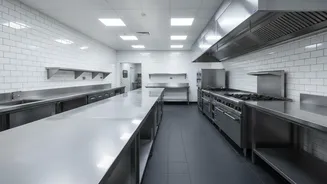
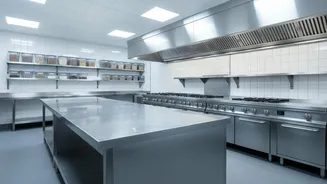
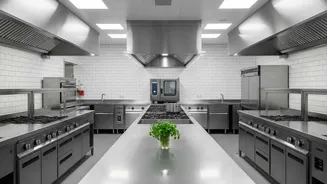
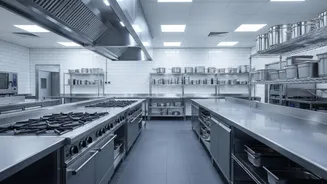
five-star hotels, uncovering expired and rotten food, including 132 kg of seized items like fungus-covered beef and chicken. This crackdown, part of a wider effort by bodies like the Food Safety and Standards Authority of India (FSSAI), has seen officials find everything from improper food storage and reused cooking oil to poor personal hygiene among staff and pest infestations. These raids in cities like Hyderabad and the aggressive campaign in Maharashtra have put the entire hospitality sector on notice, confirming that a restaurant's stylish decor doesn't always reflect the state of its kitchen.
Look Beyond the Ambiance
A beautiful dining room is no guarantee of a clean kitchen. The FSSAI has a voluntary Hygiene Rating Scheme where outlets can display a certificate with a rating from one to five stars. However, adoption is still low, with only a tiny fraction of India's eateries enrolled. This means diners often have to become detectives themselves. A recent survey showed that a vast majority of consumers have witnessed hygiene violations firsthand, such as dirty washrooms, unhygienic food handling by staff, or pests in the dining area. Your first impressions should therefore extend beyond the lighting and furniture. A well-maintained and clean washroom is often a good indicator of the management's overall attention to hygiene, including in the areas you cannot see.
Your Pre-Meal Visual Checklist
Before you even order, take a moment to observe your surroundings. Start with the basics: are the tables, chairs, and floors clean? Look at the staff. Are their uniforms clean? Are they handling food with gloves or tongs, or with bare hands after touching money? FSSAI guidelines are clear about avoiding bare-hand contact with food. Pay attention to the cutlery and crockery on your table. If they look greasy or have food particles on them, it is a significant red flag. Another subtle clue can be the state of the condiments. Are the sauce bottles sticky and grimy, or are they clean? These small details often paint a larger picture of the restaurant's commitment to cleanliness.
What to Spot on the Plate and Menu
When your food arrives, its quality can reveal much about the kitchen it came from. The food should be served at the right temperature; hot food should be properly hot, not lukewarm, as this is crucial for preventing bacterial growth. Examine the freshness of the ingredients, particularly in salads and garnishes. Wilted or discoloured greens are a poor sign. Be wary of food that tastes like it has been repeatedly reheated. The menu itself can offer clues. An excessively long menu can sometimes be a red flag, as it's difficult for a kitchen to maintain fresh stock for hundreds of different items, potentially leading to the use of frozen or older ingredients. A more focused, concise menu can often be a sign of fresher cooking.
Empowering Yourself as a Diner
Being a cautious diner doesn't mean you can't enjoy eating out. It means making informed choices. If you see an FSSAI hygiene rating displayed, check it. A score of three stars or more is considered satisfactory to good. You can also use online reviews, but read them carefully. Look for consistent comments about cleanliness or food quality rather than isolated complaints. If you have a serious concern about hygiene or food safety at an establishment, you have the right to report it. The FSSAI operates a food safety portal, allowing consumers to lodge complaints and hold establishments accountable. This not only protects you but also helps improve standards for everyone.