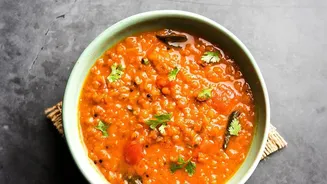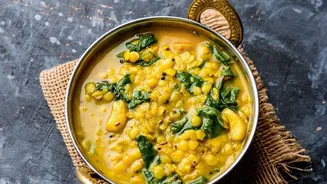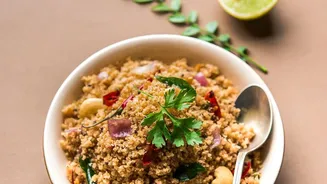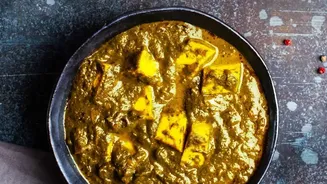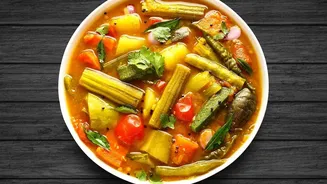



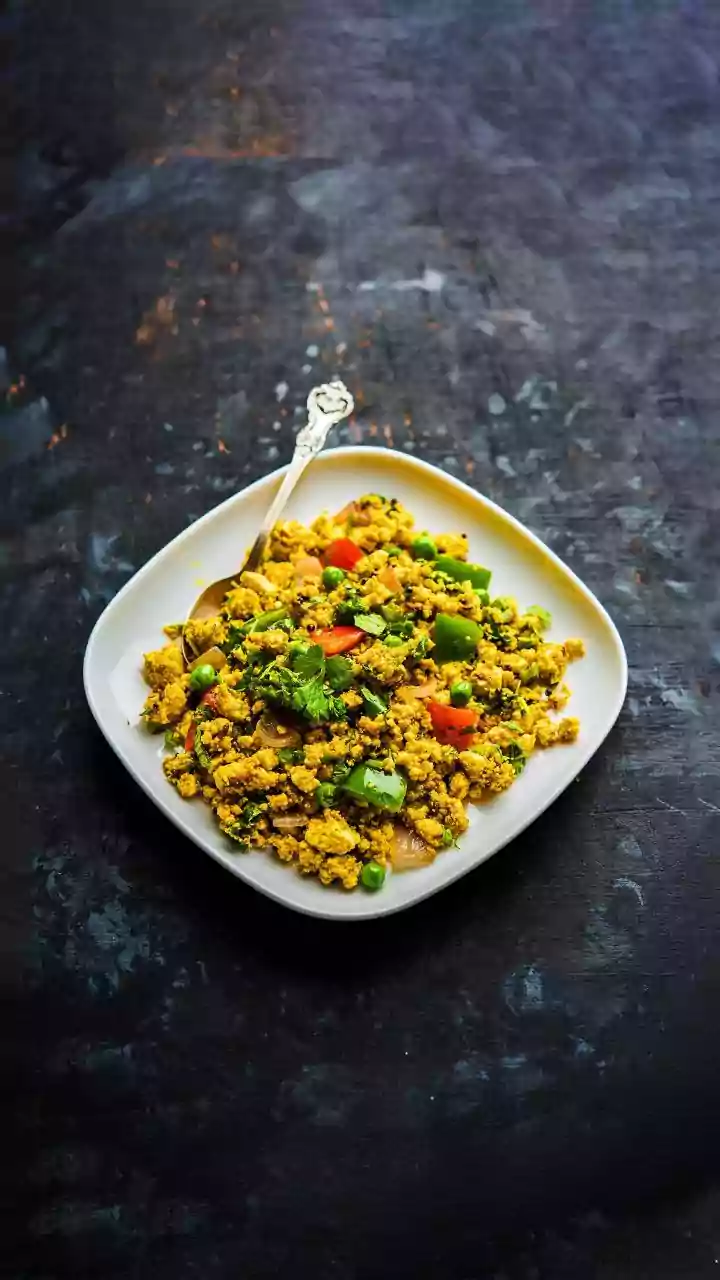

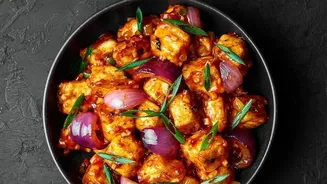

It’s a familiar and delightful experience: the dal or curry you enjoyed for dinner somehow tastes even richer and more satisfying the next day. You’re not imagining it. There's real food science behind why leftovers can be so delicious.
The Magic of Melding Flavours
The main reason
leftover stews and curries improve is that the cooking process doesn't truly stop when you turn off the heat. As the dish cools and rests in the refrigerator, a slow, quiet process of flavour melding begins. Molecules from dozens of ingredients—spices, aromatics like ginger and garlic, acids from tomatoes, and fats from oil or ghee—continue to interact and move around. This process, sometimes called flavour equilibration, is about ingredients getting fully acquainted, creating a more rounded and harmonious taste profile where individual notes are less sharp and more unified.
How Spices Continue Their Work
Indian cooking is built on complex layers of spices, many of which contain aromatic compounds locked in oils. These fat-soluble compounds, like those in cumin, cardamom, and cloves, are released during cooking but continue to slowly infuse into the fats and oils of the dish overnight. This slow migration allows the flavours to distribute more evenly, permeating every part of the gravy and the core ingredients. Instead of getting a distinct hit of ginger in one bite and turmeric in another, the entire dish becomes infused with a deeper, more cohesive blend of all the spices working together.
Starch's Surprising Second Act
Rice and potatoes also undergo a significant transformation in the fridge. When cooked, their starches swell and gelatinise. As they cool, a process called starch retrogradation begins, where the starch molecules start to recrystallise and reorganise. This not only gives leftover rice a firmer texture but also changes how it interacts with the surrounding sauce. Furthermore, as a dish like a curry or dal rests, its main components, like lentils, chickpeas or potatoes, relax and absorb the flavourful liquid around them like a sponge. The flavour, which was once just a coating, penetrates deep into the centre.
The Mellowing of Sharp Notes
Freshly cooked curries can sometimes have 'sharp edges'—a raw heat from chillies, a distinct tang from tomatoes, or a pungent bite from garlic and ginger. Given time to rest, these aggressive notes soften and integrate into the dish. The acidity mellows, the heat becomes a background warmth rather than a frontal assault, and the natural sweetness of ingredients like onions can come forward. This doesn't mean the dish becomes bland; rather, it becomes more balanced. In meat-based stews, another process is at play: collagen, which breaks down into gelatin during cooking, sets into a firm jelly upon cooling. When reheated, this gelatin melts, creating a silky, luxurious mouthfeel that enhances the overall experience.