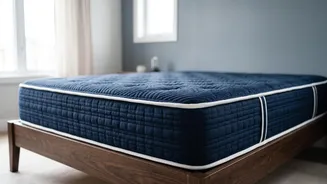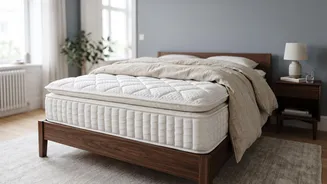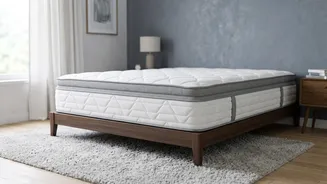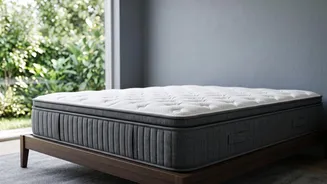






Choosing a new mattress can feel overwhelming, but it's one of the most important investments for your health. To find the perfect spring mattress, you need to look past the marketing and focus on three key pillars: support, firmness, and you.
Support vs. Firmness: What's the Difference?
Many people
use the terms 'support' and 'firmness' interchangeably, but they refer to two different things. Firmness is the immediate feeling you get when you lie on the mattress—how soft or hard it feels on the surface. Support, on the other hand, is about how well the mattress keeps your spine in a neutral alignment, preventing your hips and shoulders from sinking too deeply. A mattress can be soft to the touch (low firmness) but still offer excellent underlying support from its core. The goal is to find a mattress that provides the support your body needs to rest properly, with a firmness level that feels comfortable to you.
The Core of Support: Bonnell vs. Pocket Springs
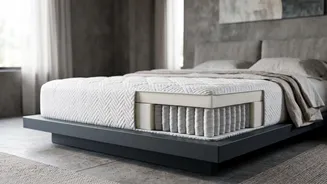
The support in a spring mattress comes from its metal coil system. There are two main types to know. Bonnell spring mattresses feature interconnected, hourglass-shaped coils that move as a single unit. This creates a durable, firm, and often more affordable mattress, making it a good choice for guest rooms or for those who prefer a very firm, traditional feel. However, because the springs are linked, movement on one side of the bed is easily transferred to the other. Pocket spring mattresses feature individual coils, each encased in its own fabric pocket. These springs move independently, allowing the mattress to contour to your body's specific shape, offer targeted support, and significantly reduce motion transfer. This makes pocket spring mattresses an excellent choice for couples or light sleepers who are easily disturbed by a partner's movements.
Decoding Firmness for Your Sleep Position
The right firmness level is not universal; it's deeply personal and depends heavily on your primary sleeping position. This is because each position puts pressure on different parts of the body. Side Sleepers: This position creates pressure points at the hips and shoulders. Side sleepers generally benefit from a soft to medium-firm mattress that can cushion these joints while keeping the spine aligned. A mattress that is too firm won't allow the shoulders and hips to sink in enough, leading to misalignment and discomfort. Back Sleepers: For back sleepers, the key is to support the natural curve of the lower back. A medium-firm to firm mattress usually works best, as it prevents the hips from sinking too low, which can strain the spine. * Stomach Sleepers: This position can put significant stress on the spine. Stomach sleepers require a firm or extra-firm mattress to keep their hips elevated and aligned with their shoulders, preventing the lower back from arching unnaturally.
Considering Your Body Weight
Your body weight is another critical factor because it changes how a mattress feels. A mattress will feel softer to a heavier person and firmer to a lighter person. Lighter individuals (under 60 kg) may find that a soft or medium mattress provides enough support and comfort. Average-weight individuals (60–100 kg) generally find that the manufacturer's firmness rating is accurate for them, with medium–firm being a popular choice. Heavier individuals (over 100 kg) typically need a firmer and more supportive mattress to prevent excessive sinking and ensure durability. A thicker mattress with a strong coil system, like a robust pocket spring or hybrid model, is often recommended.
The Final Checklist Before You Buy
You've narrowed down your choices, but before you make the final decision, run through this quick checklist. First, if possible, test the mattress in `'store by lying on it for at least '10-'15 minutes in your preferred sleeping position.' Don't just sit on the edge.' Pay attention to the comfort layers,' such as memory foam or latex,' which contribute to the overall feel.' Check the warranty details,' especially what it covers regarding sagging over time.' Finally,' look for a trial period.' Many brands now offer a sleep trial that allows you to test the mattress at home for a number of nights and return it if it’s not the right fit,' giving you the ultimate peace of mind.