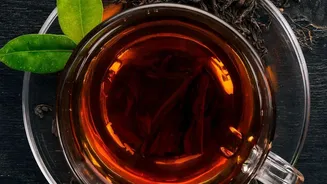


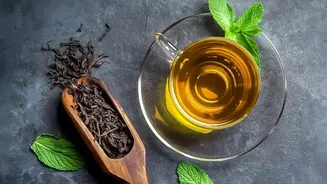
Meet Nilgiri: The Blue Mountains’ Gift
Before we get to the brewing, let's talk about the star of the show. Nilgiri tea hails from the Blue Mountains in Southern India, one of the highest tea-growing regions in the world. Unlike the bolder, maltier Assam teas from the north, Nilgiri teas are
known for being exceptionally aromatic, fragrant, and smooth. They often have delicate floral and fruity notes, sometimes with a hint of mint from nearby eucalyptus trees. The term "orthodox" refers to the traditional method of production where the leaves are carefully rolled to keep them whole, preserving their complex flavors, rather than the crush-tear-curl (CTC) method used for many mass-market tea bags. This craftsmanship results in a brighter, more nuanced cup.
The Magic of Cold Brewing
If you've ever had iced tea that was bitter or astringent, it was likely brewed hot and then cooled. The cold-brewing process is a complete game-changer. Instead of using heat, this method relies on time, steeping the tea leaves in cold water for several hours. This gentle extraction process pulls out the tea's sweet, delicate flavors while leaving behind many of the tannins that cause bitterness and astringency. The result is a naturally sweeter, incredibly smooth beverage that doesn't need sugar to be palatable. It’s a simpler, more forgiving method that unlocks a different dimension of the tea's character.
A Cleaner Antioxidant Boost
Tea is famous for its antioxidants, like catechins, which are compounds that help protect the body. While both hot and cold brewing extract these beneficial compounds, the methods yield different results. The slow, gentle nature of cold brewing can be particularly good at preserving certain delicate antioxidants that might degrade in hot water. Some studies suggest that while hot water extracts more of the well-known antioxidant EGCG, cold brewing is more effective at extracting others, like EGC, resulting in a different but equally beneficial antioxidant profile. Ultimately, cold brewing provides a powerful dose of antioxidants without the bitterness, making it an effortlessly healthy choice.
Your Simple Step-by-Step Guide
Making your own cold-brewed Nilgiri tea is almost laughably easy. You don't need any special equipment—just a large jar or pitcher with a lid. For the ratio, a good starting point is about 1 to 1.5 tablespoons of loose-leaf Nilgiri tea for every quart (32 ounces) of cold, filtered water. Simply combine the tea leaves and water in your container, give it a gentle stir, and put the lid on. Place it in the refrigerator and let it steep for 8 to 12 hours; overnight is perfect. Don't let it go much longer, as it can start to develop an over-extracted taste. Once it's done, just strain the leaves out using a fine-mesh strainer, and your tea is ready to drink.
Elevating Your Perfect Glass
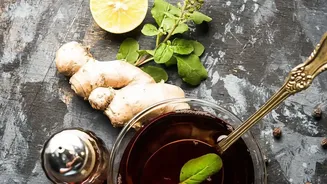
The beauty of a well-made cold-brewed Nilgiri is its pristine, delicious flavor all on its own. Because it’s so smooth and naturally sweet, it’s the ideal canvas for subtle enhancements if you’re in the mood for a change. Because Nilgiri tea doesn't cloud when chilled, it always looks crystal clear and inviting in the glass. Try pouring it over large ice cubes to minimize dilution. For a touch of extra aroma and flavor, add a sprig of fresh mint, a thin slice of lemon, or even a few slices of fresh peach or orange to your glass just before serving. These simple additions complement the tea's natural notes without overpowering them, creating a sophisticated and deeply refreshing beverage perfect for any time of day.