


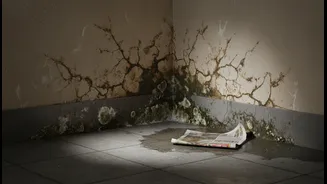




Win the War on Damp Walls
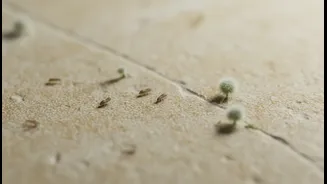
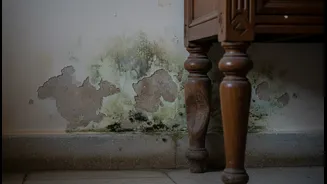
Damp patches, peeling paint, and the dreaded spread of black mould are common sights on apartment walls during the rainy season. High humidity combined with condensation makes walls a prime breeding ground for fungus. Start by ensuring good ventilation;
open windows on opposite sides of your flat for at least 30 minutes a day, whenever it isn't raining, to create cross-ventilation. If you spot mould, you can treat smaller spots by spraying a solution of equal parts white vinegar and water, which helps kill the spores. For prevention, check for any visible cracks on exterior-facing walls and seal them before the season starts. Applying a coat of waterproof paint can provide an extra layer of defence against moisture seeping in.
Protect Your Wardrobe and Linens
There's nothing more unpleasant than pulling out clothes that smell musty. Closets in flats are often built against walls that can become damp, and a lack of airflow turns them into moisture traps. To combat this, avoid overcrowding your wardrobe to allow air to circulate. Placing moisture absorbers like silica gel packets or even small bowls of rock salt on shelves can work wonders. Naphthalene balls or dried neem leaves can also help keep insects and mildew at bay. Make sure clothes are completely dry before storing them, and consider airing out your entire wardrobe every few weeks on a sunny day.
Keep Wooden Furniture Safe
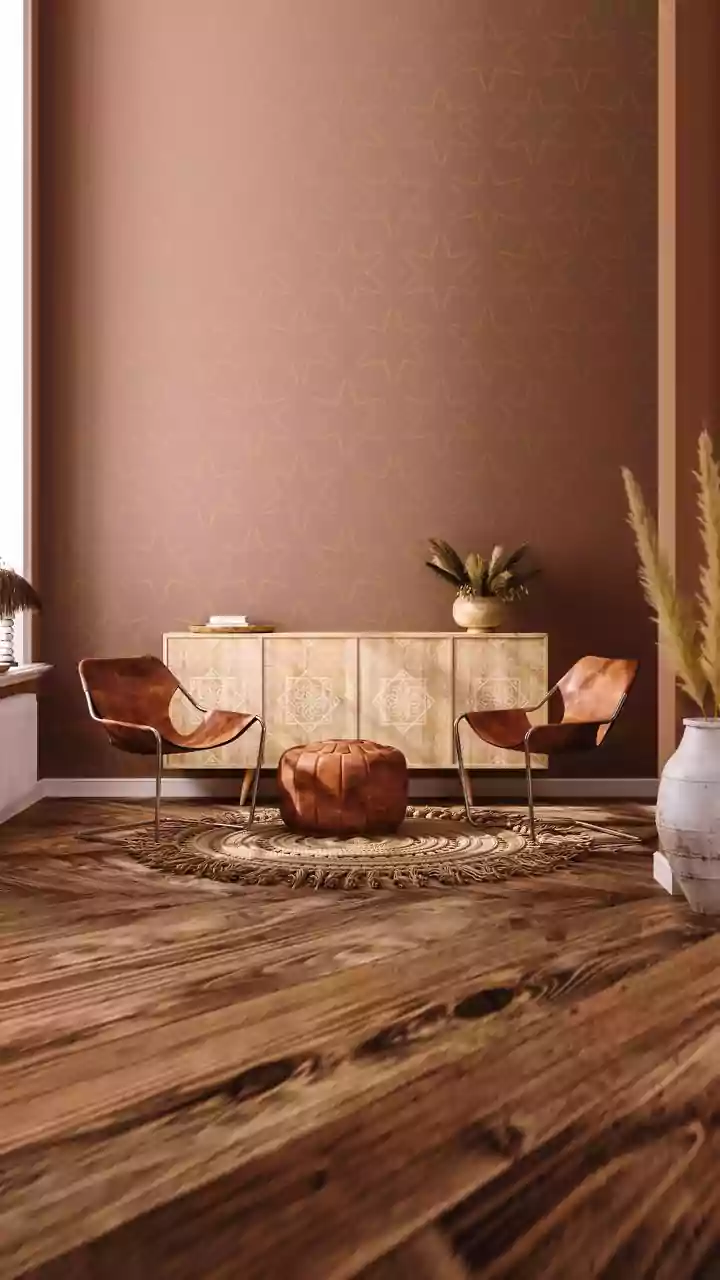
Wooden doors, tables, and cabinets are particularly vulnerable during the monsoon, often swelling up and refusing to close properly. The high moisture content in the air gets absorbed by the wood, causing it to expand. A simple yet effective trick is to keep all wooden furniture a few inches away from walls, especially external ones which can be a source of dampness. Applying a coat of wax or polish before the monsoon begins can create a protective barrier. For doors that stick, rubbing a candle or bar of soap along the edges can provide a quick fix by reducing friction.
Banish Musty Odours Naturally
Even without visible mould, a persistent damp smell can permeate the entire flat. Instead of masking it with chemical air fresheners, try to neutralise the source. Placing bowls of baking soda or activated charcoal in corners can help absorb both moisture and bad odours. For a pleasant, natural fragrance, you can simmer a pot of water with cinnamon sticks, cloves, and citrus peels. Scented candles or burning camphor can also help, especially if carpets start to smell. Regularly cleaning drains in the kitchen and bathrooms with hot water and vinegar also prevents smells from building up in these high-humidity zones.
Manage Floors and Furnishings
Floors can feel perpetually sticky and damp during this season. It’s best to roll up and store heavy carpets and rugs, as they trap moisture and can become a breeding ground for fungus. Opt for lighter cotton dhurries or bamboo mats that are easier to clean and dry. When mopping, use a disinfectant in the water and ensure the floor is as dry as possible afterwards by running a fan. Avoid leaving wet footwear inside; designate a spot in the balcony or entryway with a waterproof mat. Stagnant water, even in small amounts in plant trays, can attract mosquitoes, so be sure to empty them regularly.