




The Soul of the Konkan Coast
Stretching along the western shoreline of India through Maharashtra, Goa, and Karnataka, the Konkan region is a land of vibrant flavours shaped by its geography. Proximity to the sea means seafood is central, but the true soul of its cuisine comes from
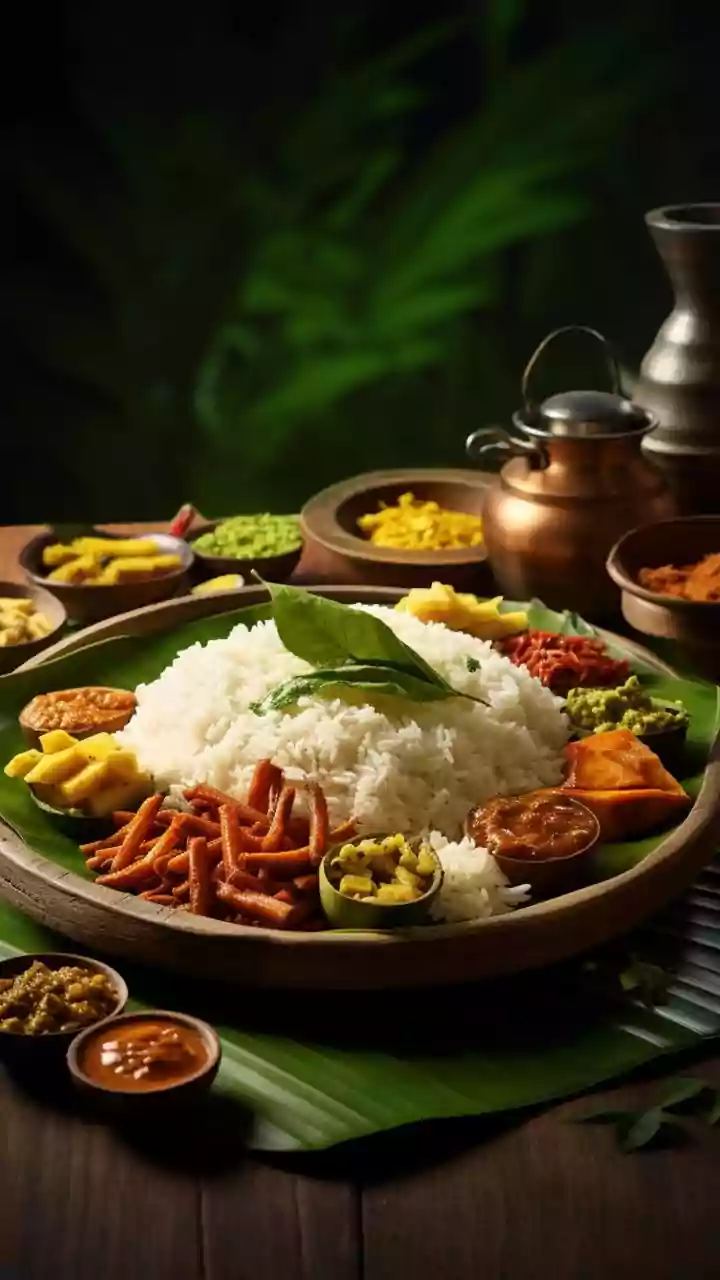
the land: rice, fragrant spices, tangy souring agents, and, above all, the coconut. Konkani cooking is a masterclass in making the most of local, seasonal ingredients. It’s a culinary philosophy where luxury isn't defined by price, but by the depth of flavour coaxed from simple, fresh produce.
The Transformative Power of Coconut
In Konkani cuisine, coconut is not just one ingredient; it’s an entire toolkit. It is the undisputed cornerstone, used in various forms to build layers of texture and taste. Freshly grated coconut might be ground into a 'vatan' or masala paste with spices, forming a thick, aromatic base for curries like the popular 'ghashi'. Coconut milk, both thick and thin, creates gravies that are creamy and rich, without being heavy. Roasting the coconut before grinding lends a nutty, deeper complexity. This multifaceted use is what gives Konkani curries their signature richness and body, turning a simple vegetable or lentil dish into something profoundly satisfying.
A Symphony of Spice and Tang
While coconut provides a creamy canvas, a carefully chosen palette of spices and souring agents brings the picture to life. The quintessential Konkani masala often involves a blend of dried red chillies (like the colourful Byadgi), coriander seeds, turmeric, and sometimes a hint of peppercorns or cumin. This base is balanced by a characteristic tang, which comes not from tomatoes, but from regional specialities like 'kokum'—a dried fruit from the mangosteen family—or tamarind. This sour note cuts through the richness of the coconut, creating a beautifully balanced and layered flavour profile that is the hallmark of the cuisine.
Khatkhate: The Vegetable Stew of Celebration
Perhaps no dish better exemplifies this philosophy than 'Khatkhate', a celebratory mixed vegetable and lentil stew. Often made during festivals, it traditionally uses a medley of seasonal vegetables—sometimes more than twenty different kinds—including gourds, pumpkin, sweet potato, and drumsticks. These are cooked with lentils (like toor dal) in a coconut gravy that is subtly spiced and gets its unique aroma from a special ingredient called 'teppal' or tirphal, a local variety of Sichuan pepper. Khatkhate is the ultimate expression of turning a humble vegetable harvest into a complex, nourishing, and luxurious feast.
Ghashi: The Everyday Luxury
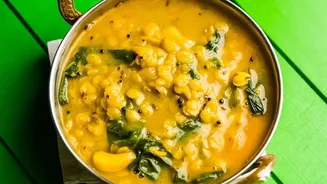
If Khatkhate is for celebrations, 'Ghashi' is its everyday counterpart. A ghashi is a type of coconut-based curry that can be made with anything from chickpeas ('Chana Ghashi') to yam or green beans. The formula is simple yet effective: a legume or vegetable is simmered in a freshly ground coconut and spice paste. This creates a thick, flavourful curry that pairs perfectly with steamed rice. A simple 'Chana Ghashi', using black chickpeas, becomes a protein-rich, hearty meal that feels far more indulgent than its basic ingredients would suggest, all thanks to the creamy, spiced coconut base.