




An Affair to Remember
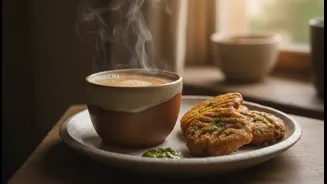
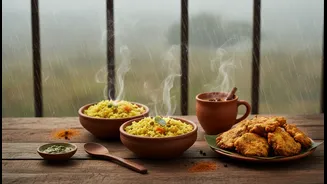
There's a certain magic to the monsoon that makes this food combination feel almost necessary. Psychologists say this is driven by associative learning; our brains link the cool, damp weather with the comforting warmth of chai and the satisfying crunch
of pakoras. It’s a sensory experience deeply woven into our memories of family, comfort, and watching the rain from a dry, cozy spot. The dip in temperature makes us crave warm, energy-dense foods, and the entire ritual can feel like a mood-booster on a grey day. This craving isn't just about hunger—it's about emotion, nostalgia, and a tradition that feels as old as the rains themselves.
A Seasonal Reality Check
While the heart wants what it wants, the monsoon also brings a shift in our bodies and environment. According to Ayurveda, the rainy season, or 'Varsha Ritu', is a time when our digestive fire, or 'Agni', is naturally weaker. This makes our systems more susceptible to issues like bloating and indigestion. Furthermore, the high humidity creates an ideal breeding ground for bacteria and viruses, increasing the risk of waterborne and foodborne illnesses. Street food, in particular, becomes riskier due to potential contamination from unclean water and improper handling in damp conditions. This doesn’t mean you have to give up your favourites, but it does mean a little mindfulness goes a long way.
Check Your Cooking Oil
If you're making pakoras at home, the first thing to check is your oil. While economically tempting, repeatedly reusing cooking oil is a major health hazard. Each time oil is reheated to high temperatures, its chemical structure changes, creating harmful compounds like trans fats and aldehydes. These compounds have been linked to increased inflammation, higher levels of bad cholesterol, and other long-term health risks. A good rule is to avoid reusing oil, especially if it has become dark, smelly, or smokes excessively at normal temperatures. For a healthier indulgence, consider using a good quality, fresh oil for each batch, and don't overheat it.
Make Friends with Your Air Fryer
The single biggest health concern with pakoras is that they are deep-fried. But who says they have to be? Modern kitchen gadgets offer a fantastic compromise. Baking or air-frying your pakoras can give you a satisfyingly crispy texture with a fraction of the oil. You can find numerous recipes for 'no-oil' or 'low-oil' pakoras that use these methods. Another option is to pan-fry them in an appe pan, which uses minimal oil but still delivers a great crunch. These methods not only cut down on fat and calories but also make the snack lighter on your digestive system, which is already working overtime during the monsoon.
Upgrade Your Ingredients
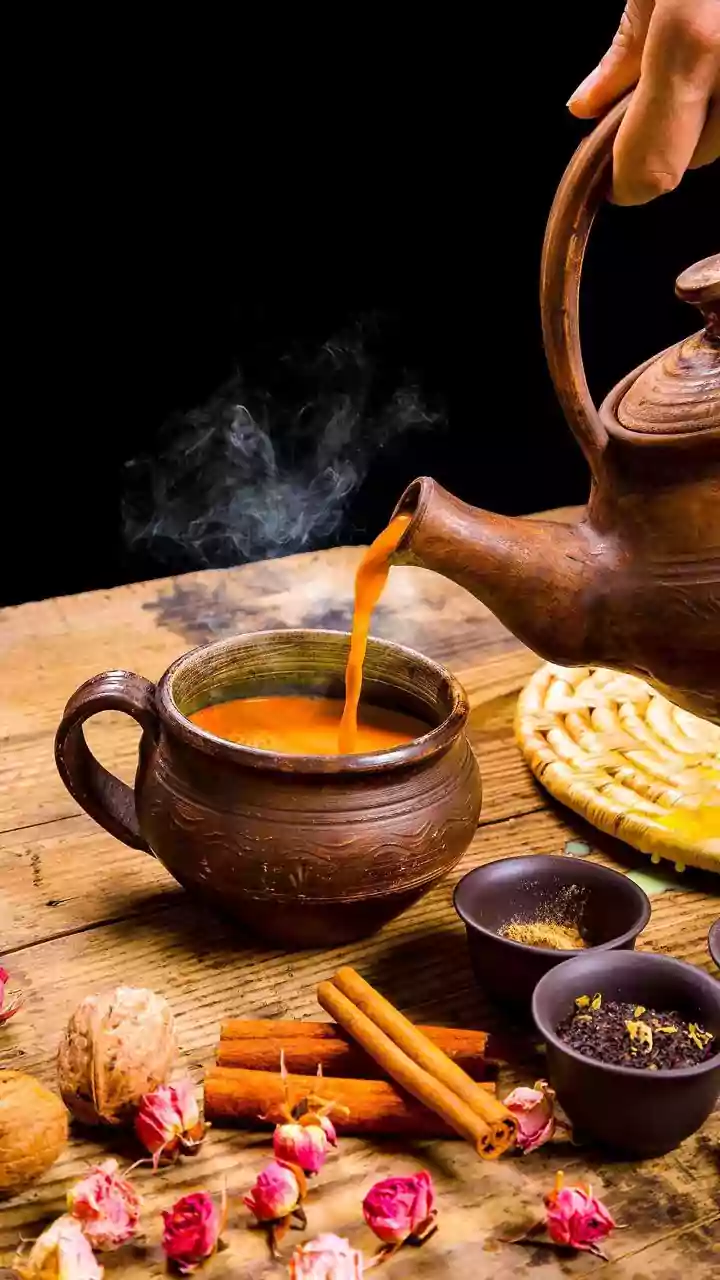
Making pakoras healthier isn't just about how you cook them, but also what you put in them. The traditional besan (chickpea flour) batter is already a great gluten-free, protein-rich base. You can boost the nutritional value by packing the batter with more vegetables like spinach, shredded cabbage, or grated carrots. Instead of just potatoes and onions, consider healthier options like sweet potato, zucchini, or cauliflower florets. For your chai, lean into tradition by adding immunity-boosting spices like ginger, tulsi, black pepper, and cinnamon. These not only add flavour but are also known in Ayurveda to support digestion and fight seasonal infections.
Explore Other Monsoon Companions
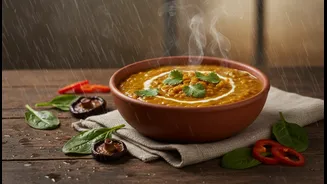
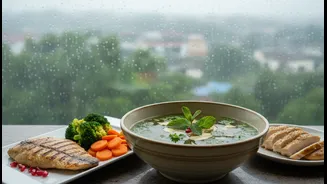
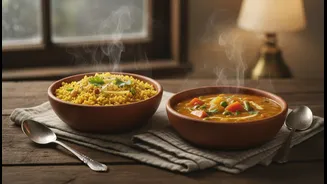
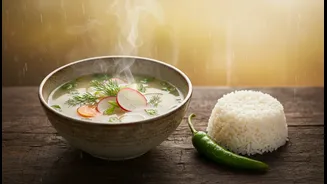
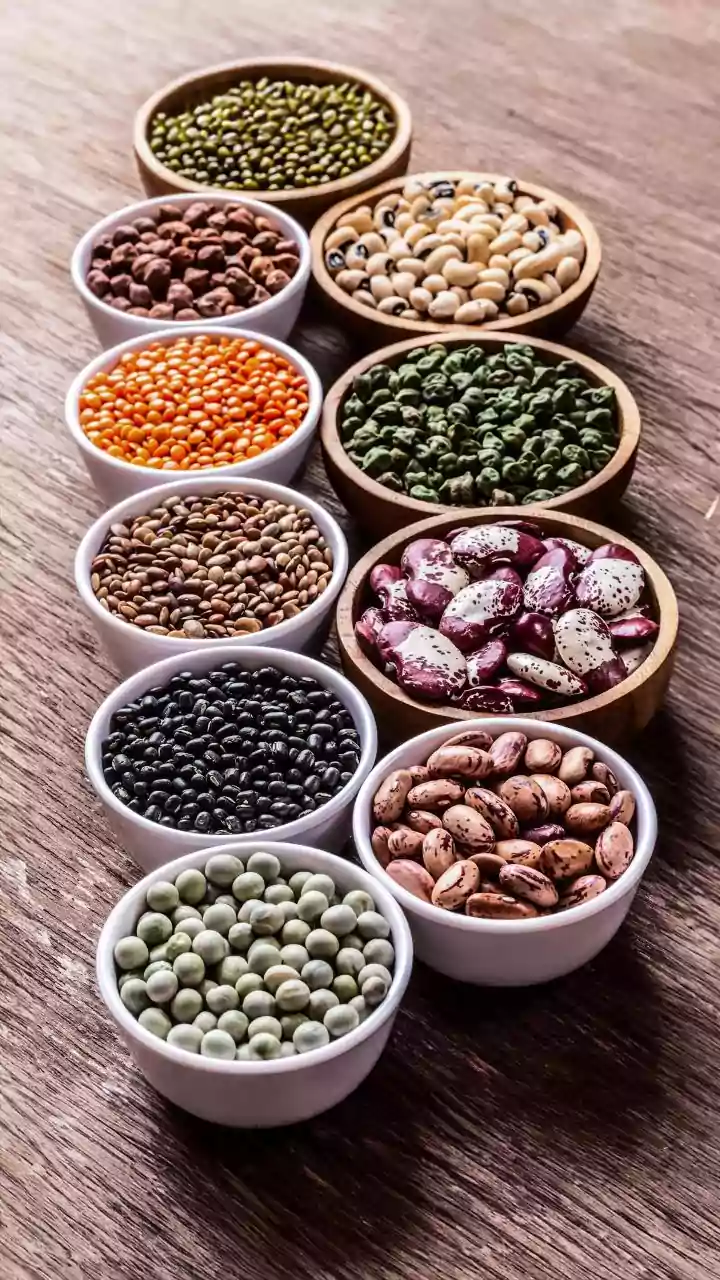
While chai and pakoras are the undisputed stars, the monsoon offers a variety of other healthy and delicious snacking options. Roasted bhutta (corn on the cob), seasoned with lime and spices, is a classic and fibrous choice. A warm bowl of sprout chaat (using cooked, not raw sprouts), moong dal chilla, or steamed dhokla are all excellent protein-packed alternatives that are light on the stomach. Even roasted makhana (fox nuts) or a simple bowl of vegetable soup can provide that warm, comforting feeling you crave on a rainy day without the heaviness of fried food.