


More Than Just a Peel
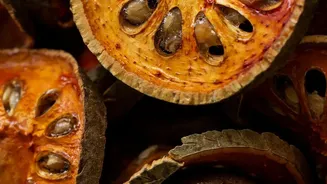
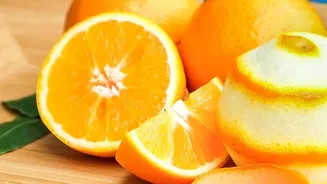
The idea of zero-waste cooking is about seeing potential in every part of an ingredient. When it comes to citrus, we often discard the most nutrient-dense parts. The peels, pith, and even seeds are loaded with beneficial compounds. Citrus peels contain
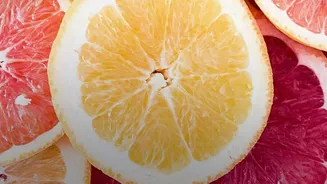
significant amounts of vitamin C, antioxidants, and plant compounds called polyphenols. In fact, research shows that citrus peels often have a higher concentration of these beneficial compounds than the fruit's pulp. The white pith, which many people painstakingly remove, is particularly rich in pectin. Pectin is a type of soluble fibre that acts as a natural gelling agent, essential for creating the perfect set in jams and marmalades without commercial additives. By using the whole fruit, you not only reduce kitchen waste but also create a spread that is richer in flavour and nutrients.
Taming the Bitterness
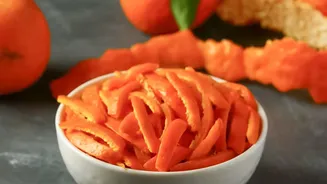
The main deterrent for many home cooks when using whole citrus is the bitterness, particularly from the peel and pith. However, this is easily managed with a simple technique: blanching. Blanching involves boiling the peels in water to draw out the bitter-tasting compounds, which are water-soluble. Repeating this process a few times can reduce bitterness by up to 50%, leaving behind the bright, aromatic citrus notes. Some traditional methods even involve soaking the fruit or peels overnight to achieve a similar effect. While you can't eliminate the bitterness entirely—nor would you want to, as it provides the characteristic complexity of a good marmalade—this step makes the final product much more palatable. The addition of sugar during the cooking process further balances any remaining bitterness.
A Simple Whole-Fruit Preserve Recipe
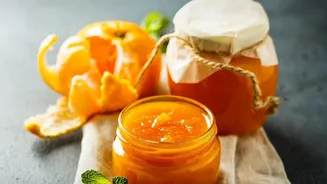
Making a zero-waste citrus spread is a rewarding process that can be done over a day or two. This whole-fruit method simplifies the process by softening the fruit first, making it easier to handle.
Ingredients: Approx. 1 kg of mixed citrus fruits (oranges, lemons, grapefruit, limes) Water Sugar Juice of 1 lemon (for extra pectin and brightness)
Method: 1. Wash the fruit thoroughly. Place the whole citrus in a large pot and cover with water. Bring to a boil, then reduce the heat and simmer for 60-90 minutes, or until the fruit is completely tender and can be easily pierced with a fork. 2. Carefully remove the softened fruit, reserving the cooking water. Let the fruit cool until it's safe to handle. 3. Once cooled, slice the fruit in half. Scoop out the inner pulp and seeds into a bowl. The seeds can be bundled in a piece of cheesecloth and added back to the pot during cooking to extract their natural pectin. Finely chop the softened peels and pith to your desired consistency. Some prefer thin strips, while others pulse them in a food processor for a finer texture. 4. Combine the chopped peels, pulp, the cheesecloth bundle of seeds, and an equal weight of sugar to the fruit in the pot. Add back some of the reserved cooking water and the lemon juice. 5. Bring the mixture to a rolling boil, stirring until the sugar is completely dissolved. Continue to boil, stirring occasionally, until it reaches the setting point, which is 104-105°C (220°F) on a candy thermometer. This can take anywhere from 20 to 40 minutes. 6. Once at temperature, remove from the heat and let it cool for a few minutes before transferring to sterilized jars.
Customise Your Creation
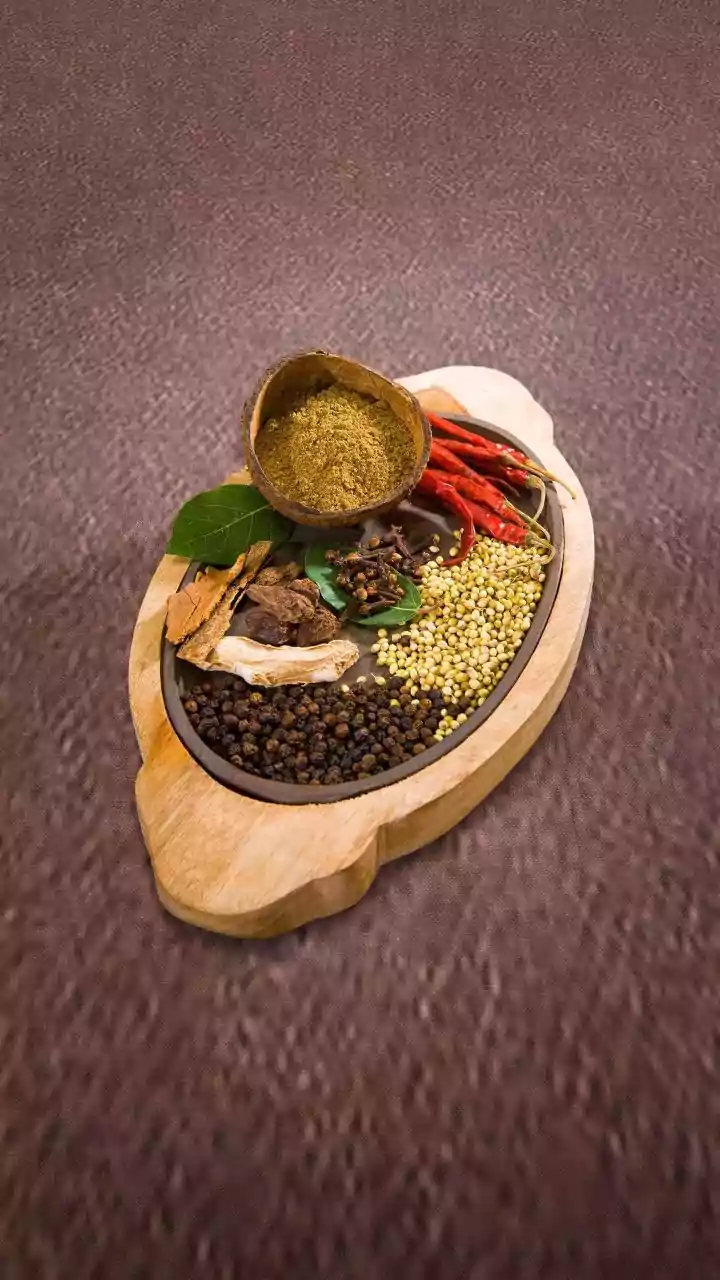
The beauty of this basic recipe is its versatility. You don't need to stick to a single type of citrus. A mix of sweet oranges, tangy lemons, and even a bitter grapefruit can create a wonderfully complex flavour profile. You can also introduce other flavours. Consider adding a cinnamon stick, a few whole cloves, or a star anise to the pot while it simmers for a warm, spiced version. For a different texture, you can choose how finely to chop your peels. A chunkier cut will result in a more traditional, rustic marmalade, while a finer chop creates a smoother, more spreadable jam. Don't be afraid to experiment with the bounty of each season.