



The New 'Peak' Season
For years, monsoon was considered the travel off-season, a time for lower prices and fewer crowds. That logic is quickly becoming outdated. Recent data shows a massive shift in travel habits, with hotel bookings during the monsoon period jumping by over
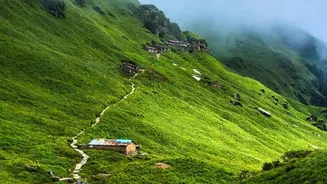
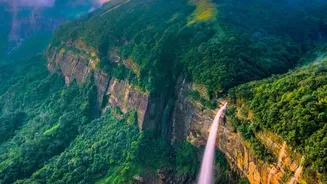
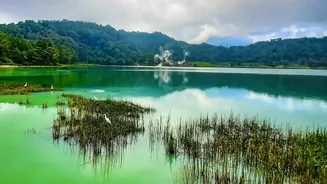
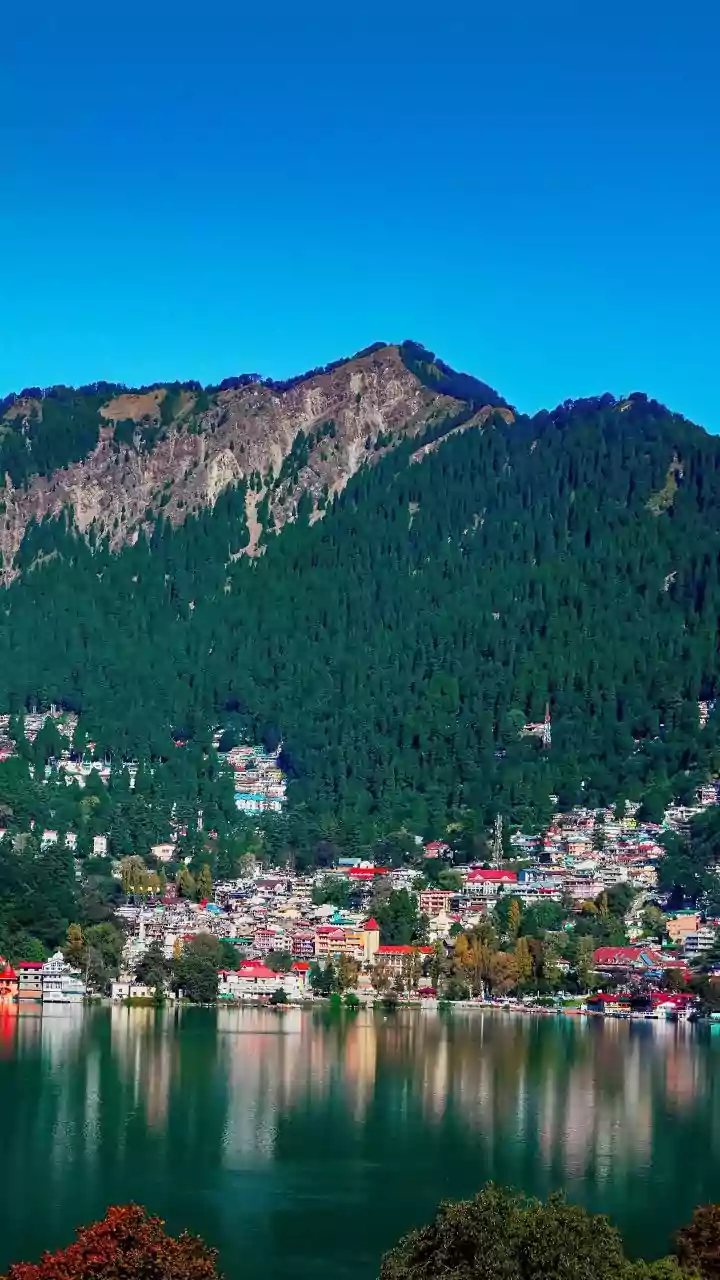
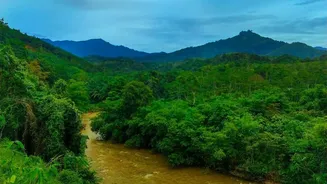
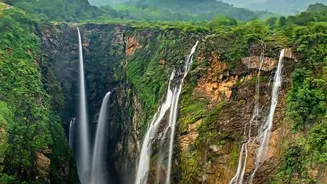
50% year-on-year. This isn't a gradual change; it's a travel boom driven by a new appreciation for rain-washed scenery, wellness retreats, and nature-focused experiences. Destinations across the country, from the Western Ghats to the Northeast, are no longer just quiet retreats but bustling hubs, transforming the monsoon into a third peak tourist season alongside summer and winter.
Popular Hotspots Driving Demand
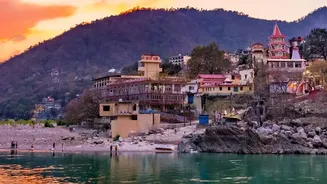
The demand isn't spread evenly; it's concentrated in destinations that truly come alive in the rain. In South India, Wayanad has seen an incredible 160% surge in hotel bookings, with Alleppey's backwaters close behind at 145%. Other southern hills stations like Ooty, Kodaikanal, and Coorg are also seeing growth of over 70%. It’s a similar story for coastal destinations, with Goa and Pondicherry reporting booking increases of over 100%. In the north, Rishikesh and Mussoorie have shot up in popularity, with search interest growing by more than 160%. Meanwhile, the Northeast, especially Nagaland and Arunachal Pradesh, has emerged as the fastest-growing region for monsoon travel.
The Mid-Range Squeeze
While luxury hotels have always had their patrons and budget stays cater to backpackers, the real competition is now in the mid-range segment. These properties—boutique hotels, high-quality homestays, and well-located resorts—offer the perfect blend of comfort, character, and value that a growing number of travellers seek. This segment is seeing a significant share of the new booking surge. Unlike large hotel chains, these smaller establishments have limited inventory. With demand for comfortable, experience-led travel on the rise, these are the rooms that are getting snapped up first, leaving last-minute planners with either ultra-expensive or bare-bones options.
Your New Booking Timeline
The old advice of booking a monsoon trip at the last minute no longer applies to popular spots. Given that hotel bookings are pacing well ahead of previous years, a new strategy is required. For high-demand destinations, especially for travel around weekends or public holidays, it's wise to start planning at least six to eight weeks in advance. For the absolute hotspots like Wayanad or the most sought-after properties in Lonavala or Goa, booking two to three months ahead is becoming the norm, similar to planning for peak winter travel. This ensures you get the stay you want at a reasonable price, avoiding the surge pricing that accompanies last-minute demand.
Tips for Last-Minute Planners
If you can’t plan months ahead, all is not lost. Flexibility is your greatest asset. Try to travel on weekdays, as demand typically surges over the weekend. Instead of heading to the most publicised destinations, consider exploring lesser-known places in the same region. The entire Western Ghats region is beautiful during the monsoon, not just the famous hill stations. Look for new properties that may have introductory offers or less visibility. Finally, keep an eye on travel aggregator sales, as some platforms run specific monsoon travel deals that can open up last-minute opportunities, though they are often for a limited window.