





A New Space Policy, A New Era
The skies above India have opened up for business. A major catalyst for this private-sector boom was the announcement of the Indian Space Policy in 2023. This landmark reform was designed to do something revolutionary: shift ISRO’s role from being the sole
operator to a facilitator and mentor for private companies. To oversee this transition, the government established the Indian National Space Promotion and Authorisation Centre (IN-SPACe) in 2020. Acting as a single-window agency, IN-SPACe is responsible for authorising, promoting, and supervising the activities of private space ventures. This policy shift has effectively rolled out the welcome mat for entrepreneurs, allowing them to access ISRO's world-class facilities and expertise, which was previously unthinkable. With this support, the Indian space economy, currently valued at around $8.4 billion, is projected to soar to over $40 billion by 2030, transforming a government monopoly into a bustling commercial marketplace.
Skyroot Aerospace: Reaching for the Stars
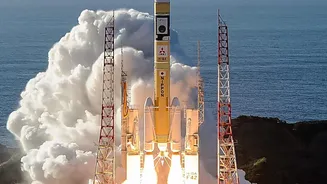
Leading the charge is Hyderabad-based Skyroot Aerospace, a company founded by former ISRO engineers. Skyroot captured the nation's attention in November 2022 with the successful launch of Vikram-S, India's first-ever privately built rocket. This suborbital mission, named 'Prarambh' (The Beginning), was a crucial proof of concept, demonstrating that a private company could design, build, and launch a rocket from Indian soil. But the true game-changer came in July 2026, when Skyroot successfully launched its Vikram-1 rocket into orbit, a first for any private Indian company. This milestone placed India in an elite club of nations with private orbital launch capabilities, alongside the US and China. The success of Vikram-1, which deployed several satellites into low-earth orbit, validated India's new space policy and signaled to the world that its private sector is ready for commercial operations.
Agnikul Cosmos: 3D Printing a Path to Orbit
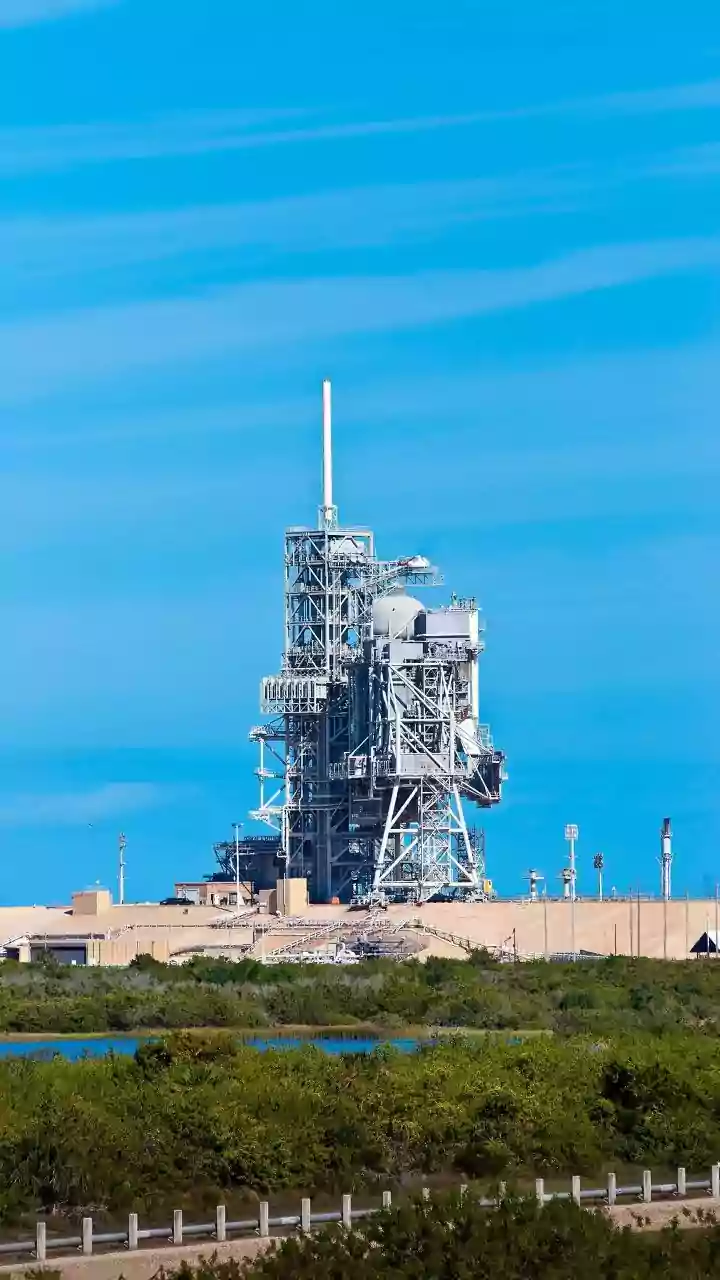
Not far behind is Chennai-based Agnikul Cosmos, an IIT-Madras incubated startup taking a unique technological approach. Agnikul's flagship is the Agnibaan rocket, a customisable launch vehicle designed for small satellites. Its most remarkable innovation is the Agnilet engine, the world's first single-piece 3D-printed rocket engine. This advanced manufacturing technique drastically reduces complexity and production time. In May 2024, Agnikul successfully conducted a sub-orbital test flight of its Agnibaan SOrTeD (Suborbital Tech Demonstrator) from its own private launchpad at Sriharikota, another first for India. While Skyroot was the first to reach orbit, Agnikul's focus on groundbreaking technologies like 3D printing and its modular rocket design highlights the diverse innovation happening within India's space startup ecosystem.
An Entire Ecosystem Is Taking Flight
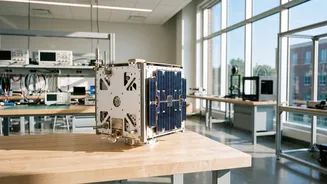
The race isn't just about launch vehicles. A whole ecosystem of specialised companies is emerging. Bengaluru-based Pixxel is building a constellation of the world's highest-resolution hyperspectral imaging satellites. These satellites provide incredibly detailed data that can be used for everything from tracking climate change to improving agricultural yields. Another key player, Dhruva Space, focuses on building satellite solutions, including satellite deployers that have already flown on ISRO missions and full-stack satellite services. The Hyderabad-based company, one of India's oldest private space firms, provides end-to-end services from spacecraft design to mission operations, catering to a growing international client base. This diverse network of companies, from launch providers to satellite manufacturers and data analysts, is creating a robust and self-sustaining commercial space industry in India.