


The New Affluent Homebuyer
The engine behind this change is a new and expanded class of affluent buyers. This includes a growing number of High-Net-Worth Individuals (HNIs) and Ultra-High-Net-Worth Individuals (UHNWIs), whose ranks are swelling due to a strong economy and wealth
creation events like IPOs. This group is joined by senior professionals with rising incomes, business owners, and a significant number of Non-Resident Indians (NRIs). NRIs, in particular, are increasingly looking to India for stable, long-term investments, often using favorable currency exchange rates to acquire larger, higher-quality properties. Unlike in previous cycles, this demand isn't purely for investment; it's driven by a desire for a lifestyle upgrade, a better primary home, and a secure asset for the future. This has created a resilient demand for premium housing that is less sensitive to rising interest rates and inflation.
From Marble Floors to Mindful Living
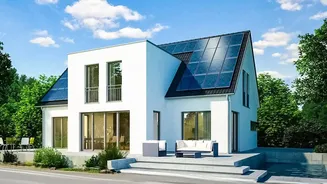
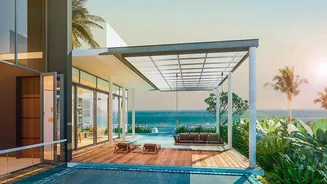
A decade ago, 'luxury' in Indian real estate meant visible opulence: imported marble, grand lobbies, and sheer size. Today, the definition has evolved dramatically. The new premium is about experience and well-being. Homebuyers now expect features that support a holistic lifestyle. This includes dedicated home offices to accommodate hybrid work schedules, a feature that has become a near-standard requirement. Beyond that, wellness is a central theme, with developers now integrating spa-like amenities, yoga decks, biophilic design (which incorporates nature), and clean-air systems. Technology is another non-negotiable, with integrated smart home automation for security, lighting, and climate control becoming a given. Sustainability has also moved from a buzzword to a core feature, with buyers seeking energy-efficient systems and eco-friendly materials.
The Developer's Strategic Pivot
In response to these clear market signals, developers are making a significant strategic shift. There is a discernible move away from affordable housing projects, which face pressure from rising land and construction costs, towards more profitable premium and luxury developments. Data shows a stark change in new launches; the share of homes priced below ₹1.5 crore has fallen, while the share of those priced between ₹1.5 crore and ₹4 crore has surged. The ultra-luxury segment (above ₹4 crore) has also seen its market share expand significantly. This pivot is a direct response to where the demand is strongest and where developers can achieve better margins. To cater to this discerning clientele, builders are also investing in branded residences, partnering with global hospitality names to offer hotel-grade services and amenities.
Beyond the Metros: A New Geography of Luxury
This trend is not confined to Mumbai, Delhi-NCR, and Bengaluru. A crucial part of this story is the emergence of Tier-II and Tier-III cities as new luxury hotspots. Cities like Jaipur, Pune, Chandigarh, Kochi, and Coimbatore are seeing a rise in demand for high-end properties. This is fueled by significant infrastructure upgrades under government programs like the Smart Cities Mission, which have improved connectivity and quality of life. As local economies in these cities thrive, driven by IT, manufacturing, and startup ecosystems, a new class of affluent residents is created. These buyers, including returning NRIs and local business families, prefer to invest in luxury properties within their own cities, seeking a better lifestyle without moving to a metro. For developers, these markets offer lower land costs and high growth potential, making them an attractive frontier for premium projects.