




The Monsoon Effect on Your Gut
The rainy season creates a perfect storm for digestive issues. High humidity and moisture provide an ideal breeding ground for harmful bacteria and viruses, increasing the risk of food and water contamination. This leads to a spike in problems like gastroenteritis,
food poisoning, diarrhoea, and bloating. Furthermore, both modern science and Ayurveda note that the body's digestive efficiency can feel sluggish during this time. According to Ayurveda, the body's 'Agni' or digestive fire naturally weakens in the monsoon (Varsha Ritu), making it harder to break down food and absorb nutrients. This combination of a higher risk of infection and a potentially slower digestive system can disrupt the delicate balance of your gut microbiome, the trillions of beneficial bacteria living in your intestines that are crucial for overall health.
Your Gut's Microbial Allies
Think of your gut microbiome as a bustling internal garden. When it’s flourishing, it helps you digest food, produce essential vitamins, and regulate your immune system. However, monsoon-related infections can act like weeds, disturbing this balance. If you take antibiotics to treat these infections, they can wipe out both harmful and beneficial bacteria, further depleting your gut's microbial diversity. This is where probiotics come in. Probiotics are live, beneficial bacteria that help replenish and support your gut flora. They don’t just add good bacteria; they help create an environment where your native beneficial microbes can thrive, strengthening your gut's resilience against pathogens.
The Power of Fermentation
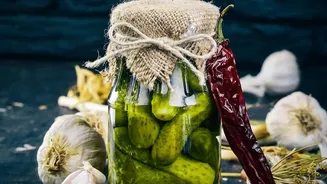
Long before probiotic supplements became popular, Indian kitchens were harnessing the power of fermentation. This traditional process uses beneficial microorganisms like bacteria and yeast to transform foods. During fermentation, these microbes break down sugars and starches, not only preserving the food but also enriching it with probiotics. This process also makes foods easier to digest by pre-digesting some components and reducing anti-nutrients, which can block mineral absorption. Essentially, fermented foods deliver a dose of live, beneficial bacteria directly to your gut, helping to rebalance your microbiome, improve digestion, and support your immune system, which is especially important during the vulnerable monsoon season.
Traditional Choices for a Happy Gut
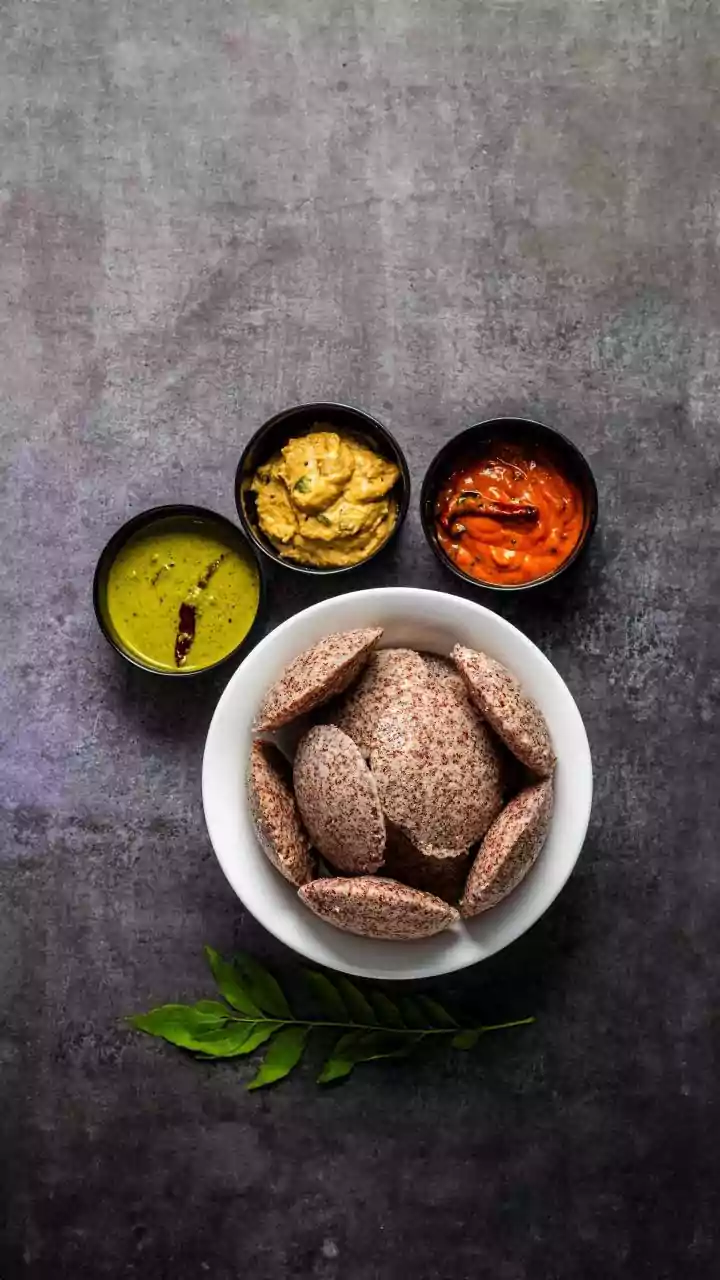
You don't need to look for expensive, imported products to find excellent probiotics. The Indian diet is rich with accessible and effective options. Homemade Dahi (curd) is perhaps the most common, packed with Lactobacillus bacteria that support the gut lining. Chaas (buttermilk) is another excellent, lighter option that aids digestion. The fermented batter for Idli and Dosa is a powerhouse of naturally occurring probiotics that also make the nutrients in the grains more available. In North India, the tangy drink Kanji, made from fermented black carrots and mustard seeds, is a traditional probiotic gem. In the East, Pakhala or Panta Bhat—fermented soaked rice—is a cooling and gut-soothing preparation. These foods have been part of our culture for centuries, offering a time-tested way to maintain digestive health.
Simple Ways to Add Them to Your Diet
Incorporating these foods into your monsoon diet is simple. Start your day with idli or dosa. Have a small bowl of fresh, homemade dahi with your lunch to help with digestion. A glass of chaas post-meal can reduce feelings of heaviness or acidity. When preparing these foods, remember that homemade is often best. Many commercial yogurts are heat-treated, which kills the live cultures, or contain added sugar that feeds the wrong kind of gut bacteria. Opting for freshly prepared versions ensures you get the maximum probiotic benefit. Including even one serving of a fermented food daily can significantly support your gut microbiome's balance and help you navigate the digestive challenges of the monsoon season.