






The Unbeatable Classic: Water
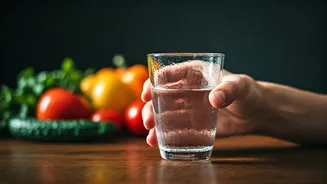
No surprise here: plain water remains the gold standard for hydration. It's calorie-free, accessible, and exactly what your body needs to regulate temperature, lubricate joints, and keep organs functioning properly. The general recommendation is around
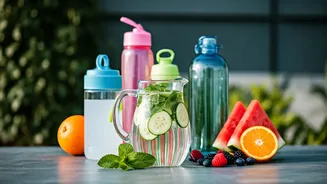
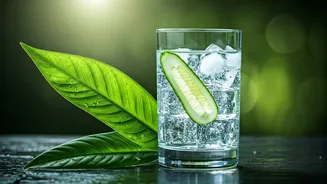
2.7 litres for women and 3.7 litres for men daily, which includes fluids from all beverages and foods. If you find plain water boring, try infusing it with natural flavours. Adding slices of lemon, cucumber, mint, or berries can make it more appealing without adding sugar. Carrying a reusable water bottle can also serve as a constant reminder to drink up throughout the day.
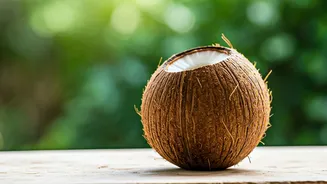
Nature's Sport Drink: Coconut Water
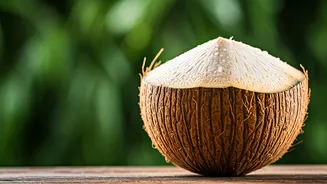
Coconut water is a natural powerhouse of electrolytes, especially potassium, which is crucial for maintaining fluid balance. These electrolytes help your body absorb and retain water more effectively, making it an excellent choice after a sweaty workout or on a particularly hot day. Dietitians note that its natural sugars can also aid in fluid absorption. While it's a fantastic hydrator, experts point out that it's lower in sodium than commercial sports drinks, so for intense, prolonged exercise, you might need to supplement with other sources of sodium. When choosing coconut water, opt for 100% pure, unsweetened varieties to avoid unnecessary calories and additives.
The Unexpected Hydrator: Milk and Yogurt
Dairy might not be the first thing you think of for hydration, but studies have shown that milk can be even more hydrating than water over several hours. This is because it contains a natural balance of carbohydrates, protein, and electrolytes like sodium and potassium, which help your body retain fluid for longer. The protein in milk and yogurt also slows digestion, contributing to better hydration status. Unsweetened kefir and drinkable yogurts offer similar benefits, with the added bonus of probiotics for gut health. These are great options for post-exercise recovery.
Eat Your Water: Hydrating Fruits and Veggies
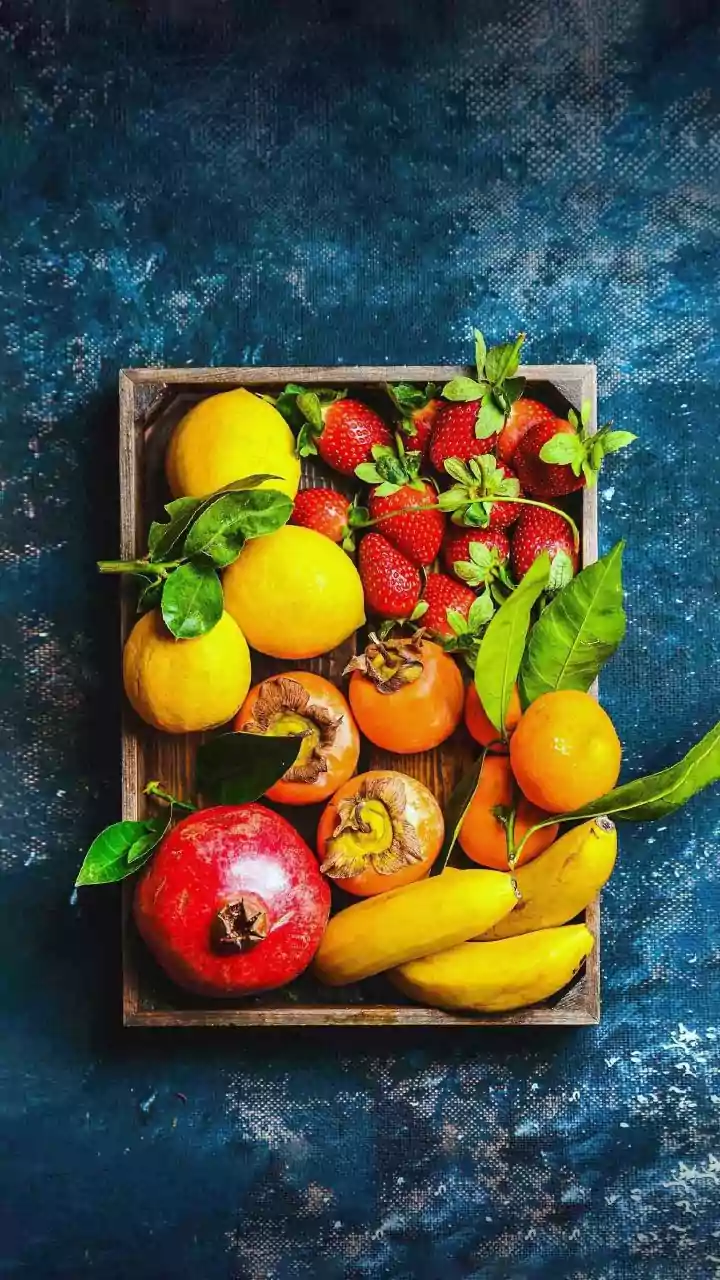
You don't have to drink all your fluids; you can eat them, too. Experts estimate that about 20% of our daily water intake comes from food. Fruits and vegetables are fantastic sources of water. Cucumbers and lettuce, for instance, are over 95% water. Watermelon, true to its name, is about 92% water and also provides the electrolyte potassium. Other excellent choices include strawberries, oranges, tomatoes, and bell peppers, all of which are packed with water, vitamins, and minerals that contribute to healthy fluid balance.
Soothing and Refreshing: Herbal Teas and Broths
If you're looking for a warm and comforting way to hydrate, herbal teas and broths are excellent choices. Caffeine-free herbal teas, like peppermint or chamomile, are just as hydrating as water and can add some enjoyable variety. Even caffeinated teas, in moderation, contribute to your daily fluid intake. Soups and broths are also fundamentally water-based and can be very hydrating and nutritious. A warm bowl of broth can be particularly soothing and helps replenish both fluids and electrolytes like sodium, especially if you're feeling under the weather.
The DIY Electrolyte Boost
Instead of reaching for sugary commercial sports drinks, you can easily make your own electrolyte beverage at home. Dietitians suggest simple formulas that are both effective and healthier. A popular base recipe involves mixing 100% fruit juice (like orange juice) with water or coconut water, and adding a small pinch of sea salt. The natural sugars from the juice and the added sodium help your body absorb the fluid more efficiently. You can also add a touch of honey or maple syrup for energy and flavour.