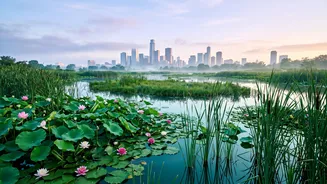







As Indian metros expand at a breakneck pace, they often destroy the very ecosystems that could save them. Urban wetlands, long dismissed as wastelands, are now being recognised as critical infrastructure for a sustainable and resilient future.
Nature's Sponges in Concrete Jungles
Urban wetlands
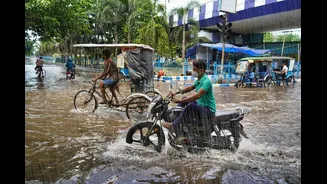
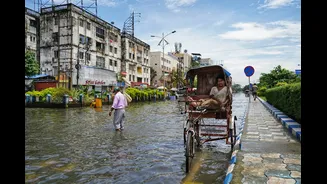
are the lakes, marshes, and floodplains found within and around our cities. For decades, the dominant approach was to drain or fill these areas for real estate and infrastructure projects. This perspective is undergoing a radical shift. Planners and policymakers are now realising that these ecosystems are not obstacles to development but essential components of it. Their most celebrated function is flood control. By acting as natural sponges, wetlands absorb massive amounts of rainwater, slowing down runoff and reducing the strain on overburdened urban drainage systems. Cities like Chennai and Mumbai, which have witnessed devastating floods partly due to the loss of their natural buffers, are prime examples of why this matters. The destruction of these natural catchments has been directly linked to more frequent and intense flooding.
More Than Just Flood Control
The benefits of urban wetlands extend far beyond monsoon season resilience. They are vital for water security, a growing concern for nearly every Indian metro. Wetlands act as natural kidneys, filtering pollutants from sewage and industrial runoff, thereby improving the quality of water in rivers and lakes. A stellar example is the East Kolkata Wetlands, a Ramsar site that functions as the world's largest natural wastewater treatment system. This 12,500-hectare ecosystem treats a significant portion of Kolkata's daily sewage—around 900 million litres—naturally and at a fraction of the cost of a conventional treatment plant. The recycled water supports local agriculture and fisheries, creating livelihoods for thousands. Furthermore, wetlands are crucial for recharging groundwater, helping to combat the falling water tables that plague so many cities.
The Economic and Social Payoff
Protecting wetlands isn't an act of charity; it's a sound economic investment. The services they provide—often called ecosystem services—have tangible monetary value. These include the avoided costs of building expensive flood-control infrastructure and water treatment plants. Well-maintained wetlands also boost local economies by supporting fisheries and creating opportunities for recreational tourism, such as birdwatching and boating. The Pallikaranai Marsh in Chennai, another Ramsar site, highlights this. Once a sprawling dump yard, concerted conservation efforts are turning it back into a biodiversity hotspot that supports migratory birds and provides green space for residents. Such green lungs in densely packed cities are invaluable for public health, offering residents a space to connect with nature, which has proven mental and physical benefits.
The Path Forward: From Neglect to Integration
Despite growing recognition, the threats to India's urban wetlands remain severe. Encroachment for real estate, incessant pollution from untreated sewage and solid waste, and fragmented governance continue to degrade these critical ecosystems. Often, multiple government agencies have overlapping jurisdictions but lack a coordinated mandate for protection. However, momentum is building. Initiatives like the National Plan for Conservation of Aquatic Ecosystems (NPCA) and the 'Amrit Dharohar' scheme aim to streamline conservation efforts. Cities like Chennai are now pioneering 'sponge city' initiatives, creating engineered wetlands and restoring natural ones to enhance water retention and resilience. The key is to mainstream wetland conservation into the urban planning process itself, viewing these ecosystems not as vacant land but as indispensable natural assets.