





Which Carmakers Are Increasing Prices?
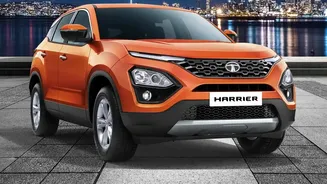
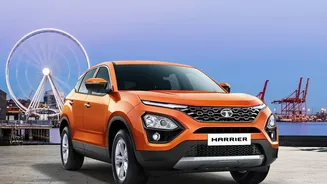
It’s a familiar story for the Indian auto market. Leading manufacturers have confirmed they will be making their vehicles more expensive from September 1, 2026. Tata Motors has announced a hike of up to ₹25,000 across its entire range of passenger vehicles,
including both petrol, diesel and electric models. This is Tata's third price increase this year. Similarly, Hyundai Motor India has also declared an upward revision of up to 1% across its portfolio. These announcements follow recent hikes from Maruti Suzuki and Mahindra & Mahindra, indicating a sector-wide trend that is unlikely to reverse course before the busy festive season.
The Primary Culprit: Rising Input Costs
The most significant reason cited by all manufacturers is the relentless pressure from rising input costs. This isn't just one single factor but a combination of several elements. The prices of key raw materials used in car manufacturing, such as steel, aluminium, rubber, and plastics, have remained volatile and high. For instance, senior executives have pointed out that commodity inflation in the first half of the financial year has been particularly severe, putting significant strain on profit margins. These increased costs for raw materials are eventually passed on, at least partially, to the consumer.
Geopolitical Tensions and Supply Chain Woes
Global events continue to cast a long shadow over local car prices. Automakers have explicitly mentioned that disruptions to global trade and energy markets, linked to geopolitical uncertainty and conflicts, are driving up operational expenses. While the semiconductor shortage that plagued the industry for years has eased, supply chains remain fragile. Any disruption can lead to delays and increased logistics costs, adding another layer of financial pressure that manufacturers look to offset through price adjustments.
The Cost of Safer and Cleaner Cars
There's also a domestic factor at play: evolving regulations. The Indian government has been progressively tightening safety and emission norms. For example, rules mandating advanced driver-assistance systems (ADAS) for commercial vehicles and buses are set to become effective for existing models from October 2026, signaling the direction for the entire industry. While not yet mandatory for all passenger cars, the push for features like electronic stability control, and potentially stricter crash test norms under BNCAP 2.0, means cars are becoming more technologically advanced. Similarly, stricter emission standards add complexity to engine technology. These upgrades, while crucial for safety and the environment, come at a direct manufacturing cost.
What This Means For Your Wallet
So, how does this translate into real numbers for a buyer? A 1% hike on a car that costs ₹10 lakh ex-showroom means an immediate increase of ₹10,000. For a higher-end SUV priced at ₹20 lakh, that becomes ₹20,000. Tata's announced cap of up to ₹25,000 will likely affect its more premium models like the Harrier and Safari, including their EV versions. While these figures might seem incremental, they add up, especially when you factor in that this is often the third price hike within the same year. This sustained increase impacts the total on-road cost, influencing everything from your down payment to your monthly EMI.
The Buyer's Dilemma: Buy Now or Wait?
This leaves prospective buyers in a tricky position. With prices set to officially increase on September 1, there is a clear, albeit narrow, window of opportunity. If you have already decided on a model, finalizing the purchase before the end of August could save you a significant amount. You could also explore deals on existing inventory at dealerships, which might be priced based on pre-hike rates. However, waiting is also a strategy. The end of the calendar year often brings attractive discounts as manufacturers push to clear stock. But given the current trend of consistent hikes, there is no guarantee that year-end discounts will fully negate the multiple price increases from throughout the year. The best approach is to assess your budget, finalize your choice, and check with local dealers about current stock and impending price changes to make an informed decision.