

The Monsoon's Fungal Bounty
When the first rains drench the parched earth, a magical transformation occurs. From the Sal forests of West Bengal to the Western Ghats and the Himalayan foothills, the damp, humid conditions trigger a spectacular fungal bloom. For a few precious weeks,
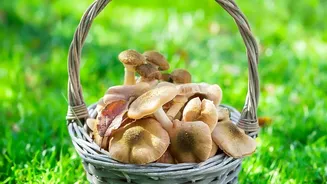
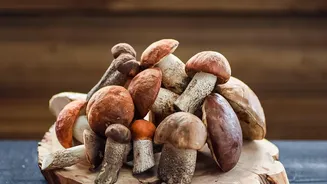
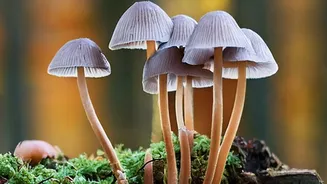
primarily between July and October, the forest floor comes alive with mushrooms of every shape, size, and colour. This fleeting natural harvest, known locally by names like 'chhatu' in Bengal or 'olmi' in Goa, has been a part of rural life for centuries, with villagers venturing out at dawn to collect these seasonal delicacies. These fungi are not the cultivated button mushrooms of supermarkets; they are truly wild, often growing on termite hills, decaying wood, or in symbiotic relationships with specific trees.
A Revival of Ancient Knowledge
Foraging for wild edibles is a practice deeply rooted in India's indigenous communities. Adivasi groups in states like Jharkhand, Odisha, and Karnataka possess generations of knowledge, able to distinguish edible species from poisonous ones by their appearance, location, and even smell. This traditional wisdom, once at risk of being lost, is now finding a new, eager audience. Driven by a desire to reconnect with nature and explore hyperlocal cuisine, urbanites are increasingly venturing into the woods. This growing interest is supported by a rise in guided foraging walks and workshops in places like Kasol, Auroville, and Bengaluru, where mycologists and experienced foragers teach identification skills to curious city dwellers. Social media pages that started as personal diaries have turned into extensive catalogues of fungal biodiversity, further fuelling this trend.
From Humble Olmi to Prized Gucchi
India is home to a staggering diversity of wild mushrooms, with indigenous communities consuming nearly 283 different species. In Goa, the monsoon is considered incomplete without a dish of 'olmi' (Termitomyces mushrooms), a fleshy, protein-rich fungus that grows on termite hills and is often used in the classic Goan xacuti. In Jharkhand, the rare 'rugra' mushroom is dubbed 'vegetarian mutton' and is a prized ingredient during months when meat is avoided. Perhaps the most famous of all is the 'gucchi' or morel mushroom, found in the high-altitude forests of Kashmir and Himachal Pradesh. With its unique spongy, honeycomb-like cap and deep, savoury flavour, the gucchi is one of the most expensive mushrooms in the world, fetching prices as high as ₹30,000 per kilogram due to the laborious task of foraging for it.
The Forager's Peril: A Deadly Gamble
The romance of foraging comes with a grave risk: mushroom poisoning. For every delicious edible variety, there is often a toxic look-alike that can cause severe illness or even death. India has around 100 known poisonous mushroom species, and accidental consumption is a serious medical problem, particularly during the monsoon. Species like the Destroying Angel (Amanita species) and the Autumn Skullcap (Galerina marginata) contain potent toxins that can lead to catastrophic liver and kidney failure. Even for experienced tribal foragers, mistakes can happen due to misidentification. The clinical symptoms of poisoning often begin with gastrointestinal distress but can rapidly progress to organ failure, making immediate medical attention critical.
A Guide for the Curious But Cautious
For those intrigued by the world of wild mushrooms, caution is paramount. The cardinal rule of foraging is simple: never eat a mushroom unless you are 100% certain of its identification. The best way for a beginner to start is by joining a guided walk with a trusted expert or local forager who can teach you the key characteristics of both edible and poisonous species in your area. Relying on apps or general guidebooks can be dangerous, as mushroom species can vary significantly by region. Cross-referencing multiple features—cap, gills, stem, spore colour, and habitat—is essential for proper identification. The adage followed by seasoned foragers is the safest advice for all: when in doubt, throw it out. Your life could depend on it.