







The definition of a 'prime location' in India is changing. It's no longer just about the prestige of a neighbourhood, but about how easily you can connect to the rest of your life. For apartment dwellers, this shift is everything.
Beyond Just a Roof Over Your Head
For decades, the appeal
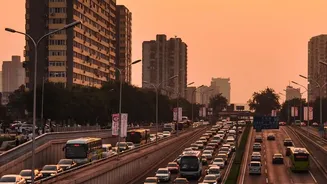
of an apartment was measured by its size, amenities, and address. But as India's cities expand and traffic congestion becomes a daily challenge, a new, more critical factor has emerged: connectivity. Today, the practical appeal of an apartment is increasingly defined by how seamlessly it plugs into the city's ecosystem. This isn't just about having a road outside the gate; it's a holistic network of physical transport, digital access, and nearby social infrastructure that determines a resident's quality of life. The modern homebuyer now asks not just 'How big is the flat?' but 'How much time will I get back in my day?'. This fundamental shift is making well-connected apartments the new benchmark for desirable urban living.
The Metro Effect: Shrinking the City
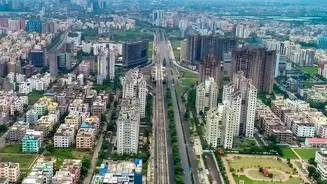
The rapid expansion of metro rail networks across cities like Delhi, Mumbai, Bengaluru, and Hyderabad is a game-changer for apartment residents. Properties located within a 500-metre to 1.5-kilometre radius of a metro station often see their value appreciate significantly, sometimes by 10-30%, once the line becomes operational. This 'metro effect' goes beyond just property prices. For residents, it means a drastic reduction in commute times, lower transportation costs, and less reliance on private vehicles. A predictable, climate-controlled journey to work or leisure hubs replaces the stress of navigating congested roads. This improved mobility transforms previously peripheral areas into sought-after residential zones, making apartments there a viable and attractive option for professionals and families.
The Rise of the 15-Minute Neighbourhood
Urban planning is increasingly embracing the '15-minute city' concept, where daily necessities like groceries, schools, clinics, and parks are all within a 15-minute walk or cycle from home. This model is perfectly suited to high-density apartment living and is being driven by the growth of mixed-use developments. These projects integrate residential towers with commercial, retail, and recreational spaces. For apartment dwellers, this means unparalleled convenience. The need to drive for every small errand disappears, replaced by a short walk. This not only saves time but also promotes a healthier lifestyle and fosters a stronger sense of community, as residents interact more in their local environment. The focus on walkability is making people reclaim their streets and neighbourhoods, turning apartment complexes from isolated vertical silos into vibrant, integrated communities.
Digital Connectivity as a Core Utility
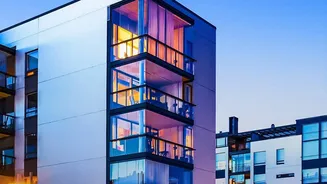
In the post pandemic era connectivity is as much about fibre optic cables as it is about roads and rails. The rise of remote and hybrid work has transformed the home into a workspace making high speed reliable internet a non negotiable utility. An apartments appeal is now directly tied to its digital infrastructure. Developers are increasingly marketing projects based on their digital readiness offering features like integrated smart home systems robust Wi Fi and AI enabled security. This digital lifeline allows residents to work learn and access services from the comfort of their homes making the physical location less critical for their professional lives. This trend gives homebuyers more flexibility allowing them to prioritise well equipped apartment complexes that may be further from traditional business districts but offer superior digital connectivity and lifestyle amenities.