





A Spectacle of Unprecedented Scale
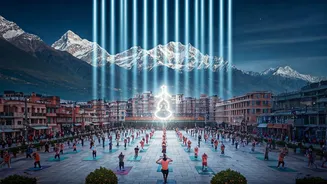
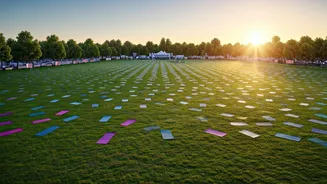
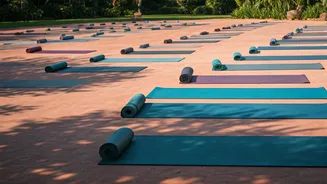
Every year on June 21st, India transforms into a vast, open-air yoga studio. The numbers are staggering. In cities and villages, millions of people—from schoolchildren and soldiers to corporate executives and government ministers—gather at dawn to participate
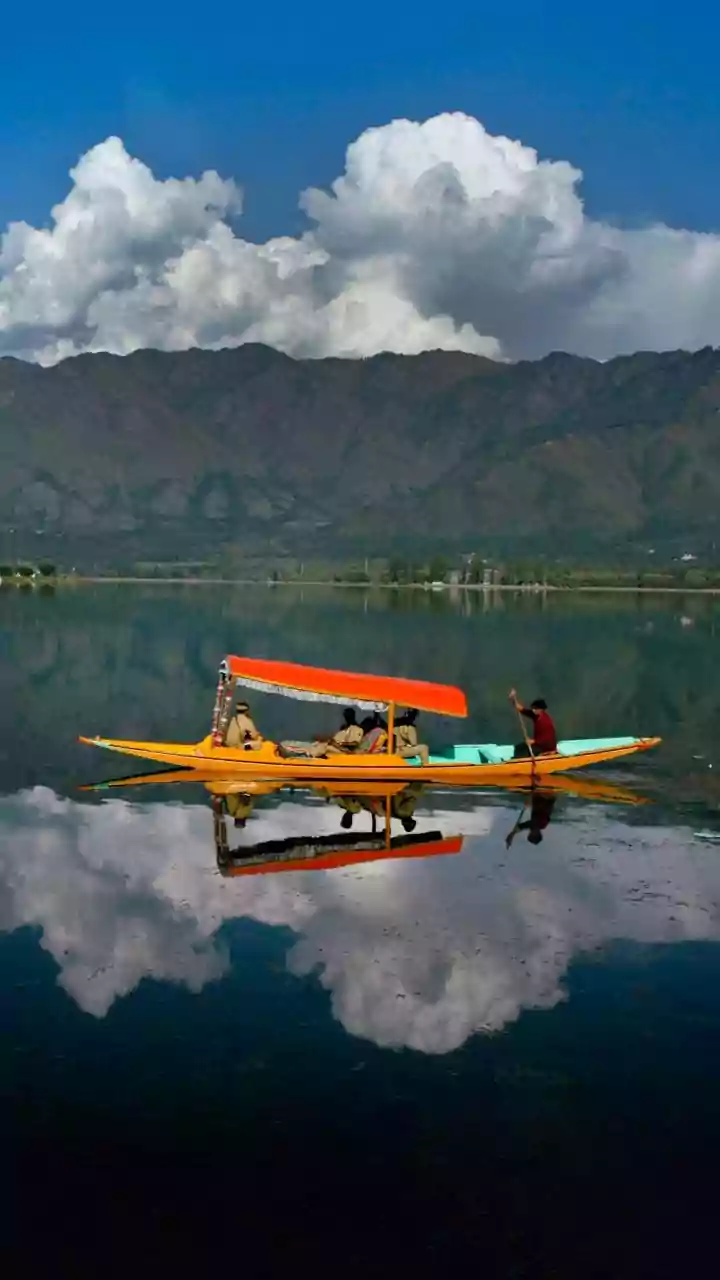
in coordinated yoga sessions. These events are not just spontaneous gatherings; they are meticulously planned spectacles. The main national event, often led by the Prime Minister himself, sets the tone. In recent years, iconic locations like Srinagar's Dal Lake, the Kartavya Path in New Delhi, and Mysuru Palace have served as dramatic backdrops, reinforcing the message that yoga is woven into the very fabric of India's diverse landscape. The visual of thousands moving in synchronised harmony is broadcast across the nation, creating a powerful sense of collective participation.
From UN Resolution to National Movement
The journey of International Day of Yoga (IDY) began on the world stage. In 2014, Prime Minister Narendra Modi proposed the idea at the United Nations General Assembly, highlighting yoga as an "invaluable gift of India's ancient tradition." The resolution was co-sponsored by a record 177 member states and adopted unanimously, marking a significant diplomatic victory. Since the first IDY in 2015, the Indian government has championed the event with immense enthusiasm. The Ministry of Ayush spearheads the efforts, creating a 'Common Yoga Protocol'—a standardised 45-minute sequence of asanas, pranayama, and meditation designed for mass participation. This protocol ensures a uniform experience, whether you're practising at a major urban event or a small session organised by your local Resident Welfare Association (RWA).
More Than Just an Asana
To view Yoga Day as merely a mass exercise routine would be to miss the point entirely. For the government, it serves multiple strategic purposes. Firstly, it is a potent tool of 'soft power,' showcasing India's rich cultural heritage to the world in a non-confrontational, universally appealing way. Embassies and cultural centres across the globe host their own IDY events, reinforcing India’s brand as the spiritual home of yoga. Secondly, it aligns with a national public health agenda. In a country grappling with a rise in lifestyle diseases, promoting yoga is seen as a cost-effective, preventative healthcare measure. The theme for each year, such as 'Yoga for Self and Society' or 'Yoga for Vasudhaiva Kutumbakam' (Yoga for the World as One Family), further frames the practice as a solution for both individual well-being and social harmony.
The View from the Mat
Beyond the high-level strategy and media glare, the true power of Yoga Day lies in its grassroots adoption. For millions of individuals, it’s an opportunity to connect with an ancient practice in a modern, community-oriented setting. Schools incorporate it into their morning assemblies, companies organise sessions for their employees, and armed forces personnel perform asanas in challenging terrains, from snowy mountains to naval warships. This widespread participation normalises yoga, stripping away any perception of it being a niche or difficult activity. It becomes accessible and social. The shared experience of breathing and moving together fosters a sense of unity that transcends social and economic divides, if only for a morning. It's a moment where personal wellness intersects with a feeling of national pride and collective identity.