

A Return to the Roots
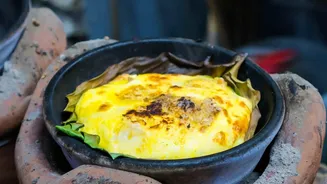
Across India, there's a renewed appreciation for cooking methods that are centuries old. Techniques like 'Dum Pukht', which traces its origins to the royal kitchens of Awadh, are seeing a significant revival. This method involves sealing food in a heavy-bottomed
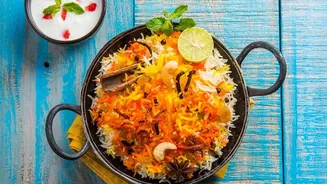
pot, often a handi, with dough and cooking it over a very low flame. The Persian-derived name literally translates to 'to breathe' and 'to cook', highlighting how the ingredients gently cook in their own juices and steam. This process forces the food to absorb all the aromas and flavours, creating an incredibly rich and tender result that modern, faster methods struggle to replicate.
Flavor Over a Five-Minute Fix
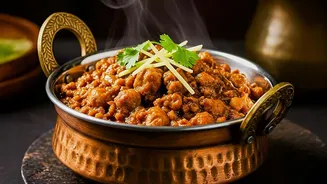
The primary driver behind this trend is the unparalleled depth of flavour. Slow cooking allows tough cuts of meat to become incredibly tender as connective tissues break down over time. For vegetable dishes, it coaxes out nuanced flavours that are often lost in high-heat cooking. The 'bhunao' (roasting) and 'dum' (maturing) process allows spices to gently release their essential oils, layering complex aromas and tastes throughout the dish rather than just sitting on the surface. This slow, deliberate process ensures that the final dish is not just cooked, but fully developed, with a richness that can only be achieved with patience.
A Recipe for Wellness
Beyond taste, many are turning to slow cooking for its health benefits. According to nutritionists, it's often a low-fat cooking method that can require little to no oil, as the food cooks in its own moisture. Unlike high-heat methods that can destroy sensitive vitamins, gentle, slow cooking helps retain the nutritional integrity of the ingredients. When cooking meat with bones, this method helps extract collagen, gelatine, and minerals like calcium and magnesium, creating a dish that is both indulgent and nourishing. This stands in stark contrast to the rise of fast food, linking traditional practices with a modern desire for conscious, healthy eating.
Digital Homes for Analogue Arts
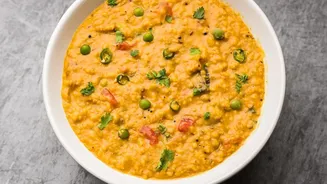
Ironically, this ancient trend is being fuelled by modern technology. Social media platforms are filled with food bloggers and influencers who are passionately documenting and sharing these heritage recipes. They present these time-honored techniques not as chores, but as aspirational acts of self-care and cultural pride. Visually stunning videos of dough being peeled off a biryani handi to release a cloud of steam, or a dal simmering for hours, create a powerful narrative. These digital storytellers are making heritage cooking accessible and appealing to a new generation that may have otherwise lost touch with these traditions.
More Than Just a Meal
Ultimately, embracing slow cooking is about more than just food; it's a form of cultural preservation. In a globalised world, these recipes connect enthusiasts to their family histories, regional identities, and a shared culinary heritage. Taking the time to grind spices by hand or wait for hours for a dish to cook is a deliberate act of slowing down and appreciating the process. It’s a rebellion against the homogenisation of food and a way to keep ancestral stories and flavours alive, one delicious, slow-cooked meal at a time.