


A Festival Steeped in Butter
Janmashtami celebrations are incomplete without sweets, and at the heart of these offerings lies makhan, or white butter. Lord Krishna's legendary love for butter is why devotees prepare and offer him treats like Makhan Mishri, a simple yet divine mixture
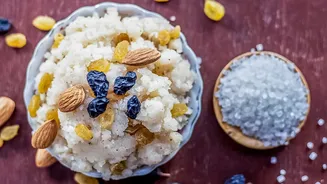
of freshly churned butter and rock sugar. This tradition, rooted in tales of his childhood antics, makes dairy-based sweets the emotional and culinary centrepiece of the festival. For generations, households have followed the simple method of churning cream to separate the butter, mixing it with mishri, and sometimes garnishing it with a Tulsi leaf. The goal is to create a pure, fresh offering, a practice that continues to define the spirit of the festival's bhog.
Tradition Meets the Modern Palate
While the core tradition remains strong, a wave of innovation is sweeping through festive kitchens. Young Indian home cooks and chefs are experimenting with classic recipes, driven by a desire to blend global culinary trends with familiar flavours. This movement isn't about replacing tradition but enhancing it. Fusion ideas are gaining popularity, with classic recipes getting a contemporary makeover. For instance, the simple Makhan Mishri is being transformed into more complex desserts like cocoa-makhan bites or creamy pedas infused with new flavours. This creative burst also extends to making sweets healthier, with many cooks consciously reducing refined sugar and heavy fats.
Reinventing the Classics
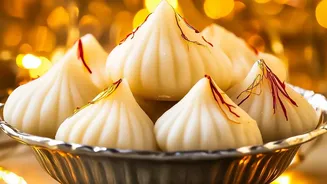
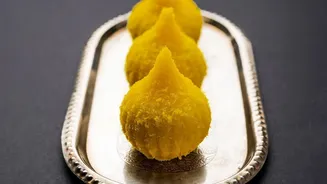
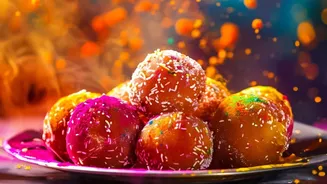
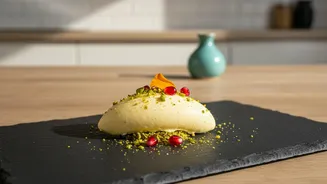
The modernisation of Janmashtami sweets is wonderfully creative. Instead of plain butter, cooks are whipping up flavoured versions with ingredients like saffron, cardamom, or even rose. Some are turning Makhan Mishri into elegant desserts, such as filling bite-sized tart shells with the sweetened butter mixture to create Makhan-Mishri Tarts. Another fusion concept is Makhan Dry Berries, where fresh butter is mixed with powdered sugar and chopped cranberries and blueberries, then frozen and cut into bars. There are also richer creations like Kesar Makhan Peda, where thickened milk and saffron are combined with fresh butter to form a creamy, decadent sweet. These innovations showcase a playful yet respectful approach to cherished recipes.
The Crucial Ingredient: Food Safety
Modernising these sweets also means paying closer attention to food safety, especially with dairy-based ingredients that can spoil quickly in India's climate. A key principle is temperature control. Milk-based sweets should be refrigerated and consumed within a few days. When preparing them, it is essential to let the sweets cool completely to room temperature before storing them in airtight containers; trapping steam creates moisture that encourages spoilage. Using clean, dry utensils and separate containers for different sweets also prevents cross-contamination and odor transfer. For longer shelf life, many cooks rely on airtight glass or stainless steel containers, which are non-reactive and provide a better seal against air and moisture.
A Lighter Touch for Festive Feasting
The modern approach to safety extends to health as well. Many young cooks are making a conscious effort to create healthier versions of festive treats without compromising on taste. A major trend is replacing refined sugar with natural alternatives like jaggery, date paste, or honey. This not only reduces the glycemic load but also adds nutritional benefits. There is also a move away from refined flour towards whole grains like ragi and jowar, which are rich in fibre and minerals. Even the cooking methods are being updated; for instance, using an air fryer to prepare snacks like Dhaniya Panjiri can reduce ghee usage by up to 70% while achieving a desirable crispy texture. These thoughtful swaps ensure that the festive indulgence feels nourishing rather than heavy.