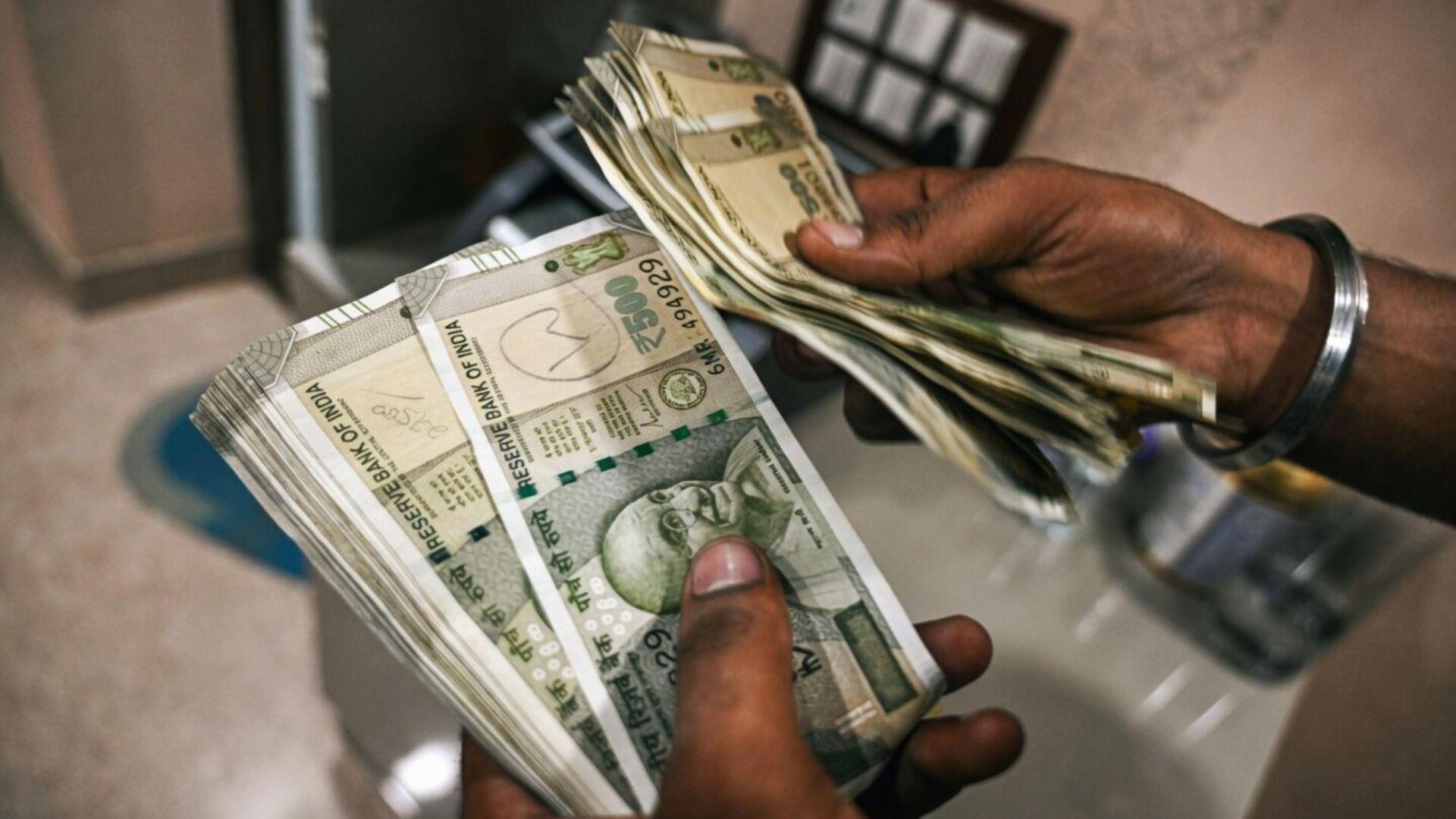








A staggering ₹1.8 lakh crore in bad loans has been written off by Indian banks, a figure that raises urgent questions. Is this money gone forever? Does it mean defaulters are let off the hook? Here’s what’s really going on.
Understanding the Headline Figure
Recent data, often compiled
by the Reserve Bank of India (RBI), reveals that scheduled commercial banks have technically removed loans worth ₹1.8 lakh crore from their active balance sheets. This process, known as a write-off, is a standard accounting practice used to present a cleaner and more accurate picture of a bank's financial health. The figure represents loans that banks do not expect to collect in the near term. While public sector banks historically account for a substantial portion of these write-offs, private sector banks also contribute significantly to the total amount. This isn't a one-time event but part of an ongoing process to manage the persistent issue of Non-Performing Assets (NPAs), which are loans where the borrower has stopped making interest or principal repayments for an extended period, typically 90 days.
Write-Off vs. Waiver: A Crucial Difference
This is the most misunderstood aspect of the entire discussion. A loan 'write-off' is not a loan 'waiver'. When a loan is waived, the borrower is officially freed from the obligation to repay it. This is a permanent forgiveness of the debt, often done for specific categories of borrowers like farmers as part of a government relief scheme. In stark contrast, a write-off is an internal accounting entry for the bank. The borrower’s liability does not end. The bank removes the bad loan from its asset books, but the legal right to recover the money remains fully intact. The defaulter is still obligated to pay back the full amount, and banks are required to continue pursuing recovery efforts.
So, Why Do Banks Do It?
If the money isn't forgiven, why go through the trouble of writing it off? There are two primary benefits for the bank. First, it cleans up the balance sheet. High levels of NPAs make a bank look financially unstable and can erode investor confidence. By writing off the bad loan, the bank's NPA ratio improves, presenting a healthier financial statement. Second, there's a tax advantage. Banks can claim the written-off amount as a deduction, which lowers their taxable income for the year, providing some financial relief. It is essentially a pragmatic move to manage the books and meet regulatory requirements while moving the recovery process to a different track.
The Hunt for Recovery
Just because a loan is written off doesn't mean the chase is over. Banks are mandated to pursue recovery of the debt through all available legal channels. This includes initiating proceedings through Debt Recovery Tribunals (DRTs), taking action under the Securitisation and Reconstruction of Financial Assets and Enforcement of Security Interest (SARFAESI) Act, or using the Insolvency and Bankruptcy Code (IBC) to take control of a defaulting company's assets. Any amount that is successfully recovered from these written-off accounts is then added back to the bank’s income for that year. While recovery rates have historically been a concern, the IBC has emerged as a more potent tool in recent years, helping banks reclaim a portion of these funds from large corporate defaulters.
The Bigger Economic Picture
These massive write-offs are a symptom of deeper issues within the economy, including stalled projects, over-leveraged corporations, and, at times, lax due diligence in lending. While cleaning up balance sheets is necessary for banks to start lending freely again and support economic growth, the sheer scale of the problem highlights the need for systemic reforms. A healthy banking sector is the backbone of the economy, and its ability to lend is crucial for investment and job creation. The write-offs are a mechanism to keep this backbone from breaking under the weight of bad debt. However, the ultimate solution lies in preventing loans from turning sour in the first place, through better risk assessment and a stronger credit culture where willful defaulters are held accountable.