



The End of the Whirlwind Holiday
For decades, the measure of a successful trip was often 'how much' you covered. How many forts, how many viewpoints, how many cities. But a growing number of Indian travellers are now asking a different question: 'how well' did I experience a place? The
pressure to maximise every moment can lead to vacation burnout, with research showing that 24% of travellers feel pressured to do it all, leaving them tired and even anxious. This exhaustion is driving a fundamental shift. Instead of squeezing Jaipur, Jodhpur, and Udaipur into one breathless long weekend, people are choosing to spend four or five days in a single city, leaving room for the unplanned and unexpected. The focus is moving from a frantic race between landmarks to a more mindful exploration of one place.
What 'Slow Travel' Really Means
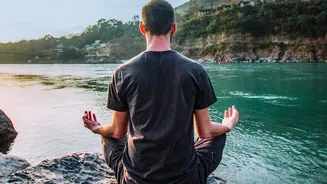
This new approach is often called 'slow travel', but it’s about more than just a slower pace. It’s a mindset focused on connection, immersion, and spontaneity. It’s about trading a packed schedule for the freedom to wander through a local market, spend an afternoon in a neighbourhood café, or simply take a long walk without a destination in mind. Recent travel reports validate this trend, with one showing 78% of Indian travellers now prioritise meaningful local activities and authentic food over generic sightseeing. Another found that 71% are extending their trips specifically to allow more time for rest and relaxation. This isn’t about doing nothing; it's about doing fewer, more meaningful things that create a genuine sense of place.
The Search for Authenticity and Wellbeing
So, what’s behind this significant shift? The reasons are a mix of cultural and personal factors. The post-pandemic world has left many re-evaluating their priorities, seeking better work-life balance and ways to combat burnout. With a staggering 70% of Indian Gen Z and millennials reporting workplace exhaustion, travel is increasingly seen as a tool for mental wellbeing, with some even describing a spontaneous trip as being 'cheaper than therapy'. There's also a growing desire for authenticity, driven by a weariness of overcrowded, over-photographed tourist traps. Travellers are actively seeking unique cultural exchanges, with studies showing 95% want to engage with local culture and 94% want to support small, independent businesses during their trips. This quest for 'real' experiences is reshaping accommodation choices too, with more people opting for homestays and apartments that offer a more local feel.
From Landmarks to Local Life
In practice, this new travel style creates entirely different kinds of holiday memories. In Kerala, it might mean skipping a string of backwater resorts to focus on community-based experiences and regional cuisine. In Rajasthan, it could be exploring the artisan workshops and food trails of a single city instead of state-hopping. The question is shifting from 'Where did you go?' to 'What did you experience there?'. This has given rise to what some call 'hushpitality'—holidays built around quiet, nature, and slowing down. Travellers are learning traditional crafts, exploring neighbourhood markets, and attending local festivals, all in an effort to participate in the life of a place, not just observe it from a distance. These immersive activities offer something a conventional itinerary often misses: a deeper understanding of a destination and stories that last longer than a photo.