





Watermelon: The Hydration Hero
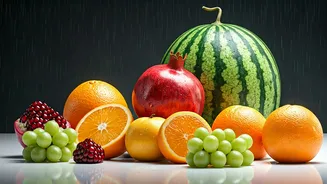
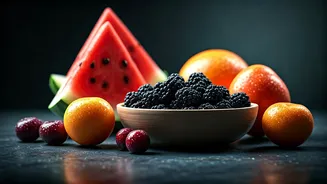
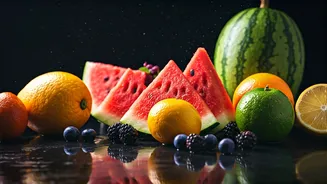
No fruit screams summer quite like a heavy, deep green watermelon. In the dog days of August and early September, they are at their absolute sweetest and juiciest. Composed of over 90% water, watermelon is nature’s perfect hydrator for when the air feels
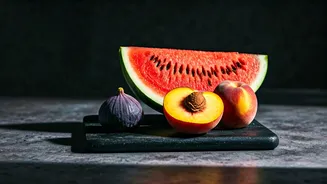
thick enough to swim through. Its crisp texture and unparalleled sweetness offer instant relief from the heat. Beyond just slicing it up, try cubing watermelon and tossing it with feta, mint, and a squeeze of lime for a savory-sweet salad that feels both refreshing and substantial. When shopping, look for a melon that feels heavy for its size with a prominent, creamy yellow 'field spot'—the patch where it rested on the ground to ripen. A deep, hollow sound when you tap it is another good sign you’ve found a winner.
Peaches and Nectarines: Sunshine in Your Hand
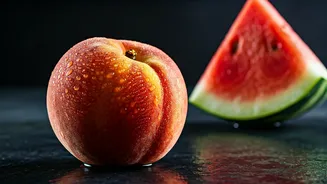
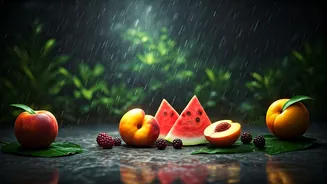
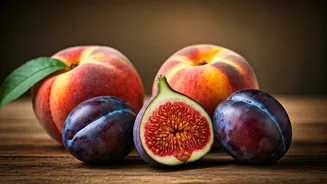
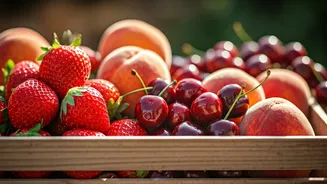
If late summer had an official flavor, it might be the honeyed, floral taste of a perfectly ripe peach or nectarine. This is their moment to shine, when the flesh is so soft and saturated with juice that you have to lean over the sink to eat one. Forget the hard, mealy versions found off-season; the ones available now are bursting with flavor. The key is to shop with your nose—a fragrant peach is a flavorful peach. It should also have a slight give when gently pressed near the stem. The best way to enjoy them is often the simplest: eaten fresh out of hand. They are also spectacular when grilled, the heat caramelizing their sugars, or sliced over a bowl of vanilla ice cream for a classic late-summer dessert.
Figs: The Fleeting Luxury
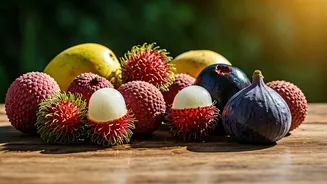
Figs have a notoriously short season, making their arrival in late summer a cause for celebration. With their jammy interior and mildly sweet, earthy flavor, they feel like a true luxury. Varieties like Black Mission, Brown Turkey, and green Calimyrna each offer a slightly different experience, but all are fantastic during this peak window. Because they are so delicate, they don’t travel well, which is why locally sourced figs are vastly superior. Look for fruits that are soft and plump, possibly with a little bend at the stem. Avoid any that look shriveled or are leaking moisture. They are exquisite when paired with salty prosciutto or a sharp cheese like gorgonzola, but they are equally divine when simply sliced in half and eaten as is.
Plums: The Underrated All-Star
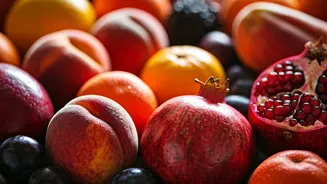
Often living in the shadow of the peach, the plum is a late-summer star in its own right. With a perfect balance of sweetness and tartness, especially in the skin, plums offer a more complex flavor profile. The array of varieties available—from the deep purple Italian prune plums to the bright red Santa Rosas—means you can find a spectrum of tastes and textures. A ripe plum will feel heavy and yield slightly to pressure, but it shouldn't be mushy. They are fantastic for snacking but also hold up beautifully to cooking. Try simmering them down into a simple compote to spoon over yogurt or oatmeal, or bake them into a rustic tart where their jewel-toned color can truly pop.
Melons (Cantaloupe & Honeydew): The Breakfast Champions
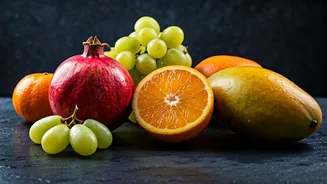
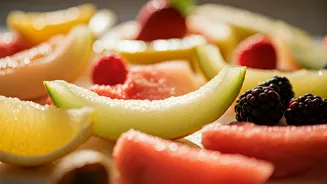
While watermelon gets the glory, don't sleep on its cousins, cantaloupe and honeydew, during the late-summer harvest. A ripe cantaloupe has a wonderfully floral aroma and deep orange flesh that’s loaded with beta-carotene. Honeydew, when truly ripe, sheds its reputation for being bland and becomes incredibly sweet and refreshing. For cantaloupe, look for a strong, sweet smell at the stem end and a raised, web-like pattern on the skin. For honeydew, the rind should feel slightly waxy or velvety, not slick, and the melon should feel heavy. Both are perfect for a simple fruit salad, blended into a cooling smoothie, or wrapped in prosciutto for a classic appetizer.