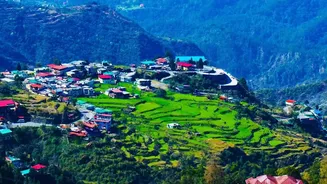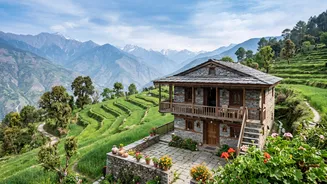

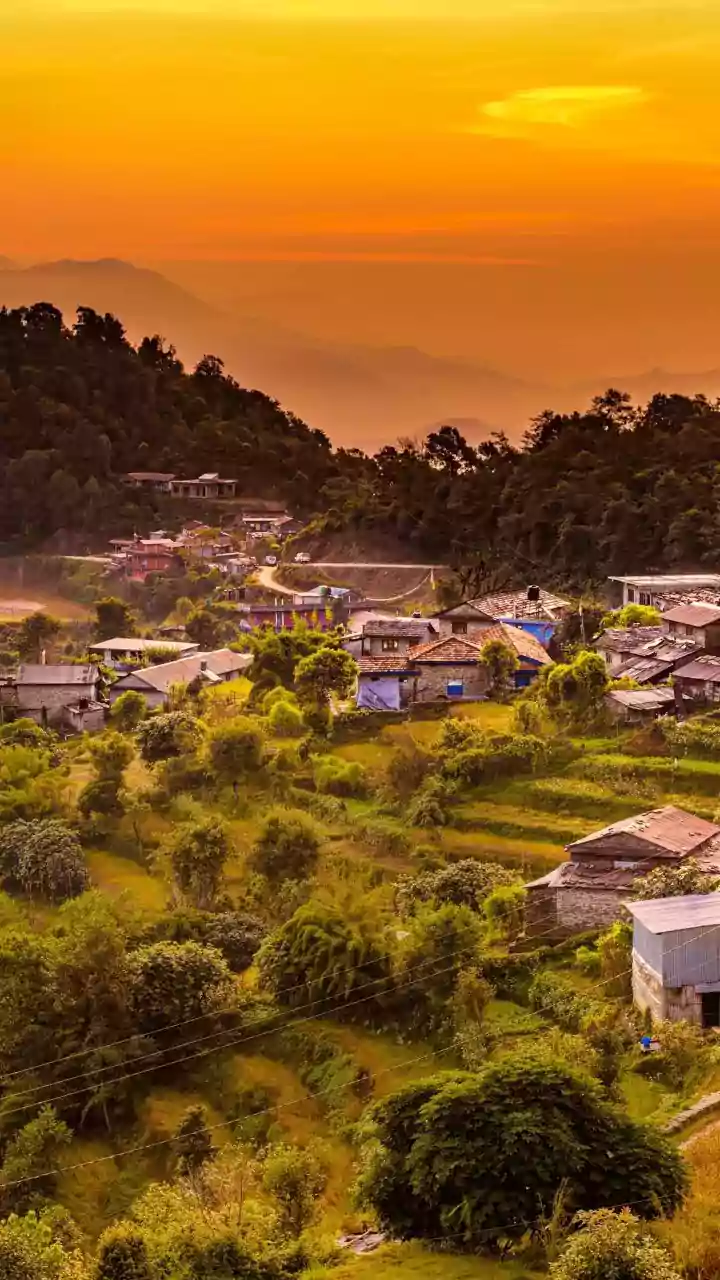

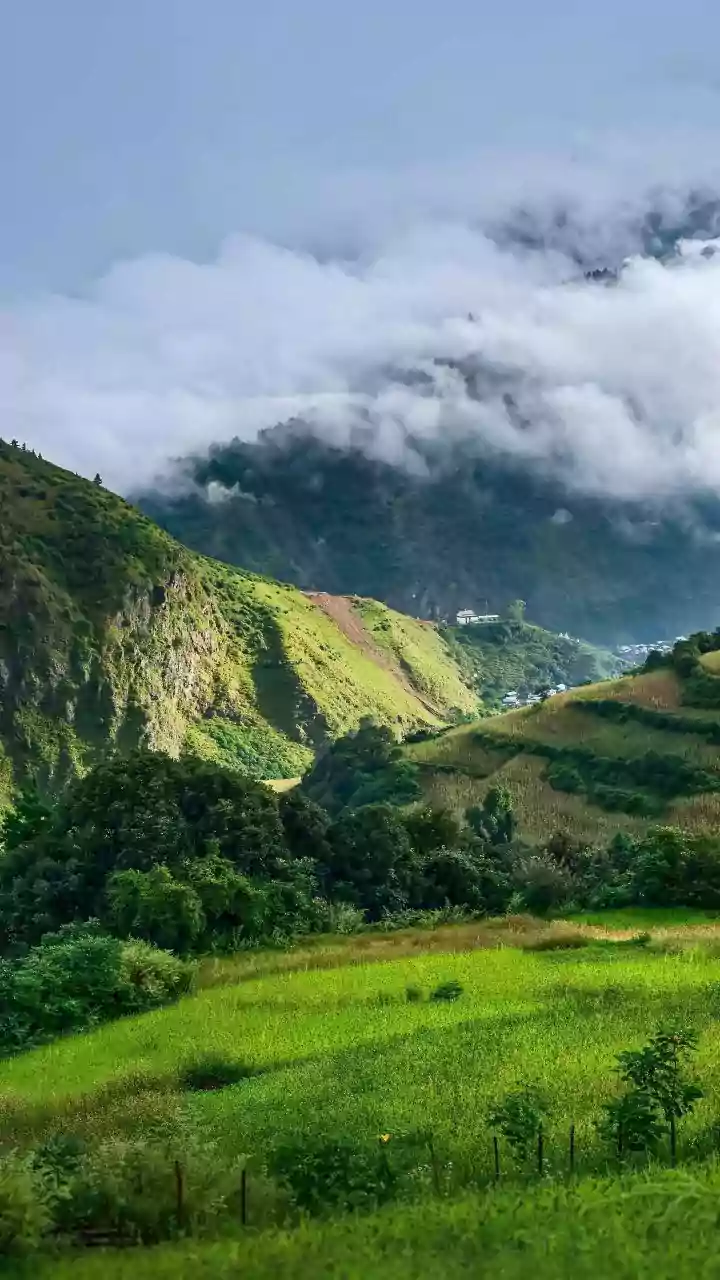
Nestled in the serene hills of Uttarakhand, a quiet revolution is taking place. Beyond the popular trails and spiritual retreats, villages are reawakening an ancient art form, offering a chance to connect with the land in a uniquely tangible way.
The Colours of the Earth
Imagine
painting not with synthetic tubes of acrylic or oil, but with colours ground from the very earth beneath your feet. This is the essence of natural pigment painting, an art form being revived in the Kumaon region. Here, deep red and yellow ochres, known locally as 'geru' and 'pili mitti', are sourced from mineral-rich soil. White comes from rice flour ground into a fine paste called 'bisht', and black is often derived from the soot of a lamp. This practice transforms painting from a simple activity into a profound connection with the landscape, where every stroke carries the essence of the Himalayas.
Reviving Aipan and Folk Traditions
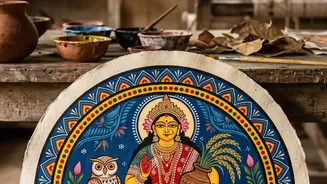
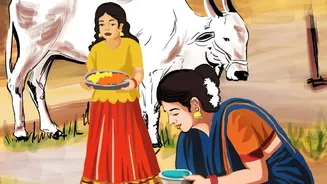
At the heart of this movement is the revival of traditional Kumaoni folk art, most notably Aipan. Aipan is a ritualistic art form traditionally painted by women on floors and walls during ceremonies and festivals to invoke divine blessings. These intricate, geometric patterns, typically rendered in red ochre and white rice paste, are more than just decoration; they are a language of sacred symbols and community identity. By participating in workshops, visitors and locals alike are not just learning a technique but are becoming part of a lineage, helping to preserve a visual tradition that was slowly fading in the face of modernity.
A Truly Hands-On Experience
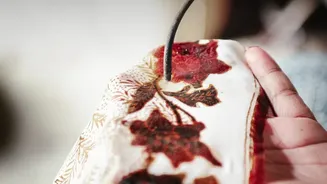
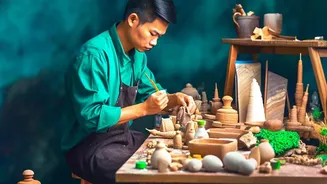
The experience of learning this art is deeply sensory and immersive. Workshops often begin with a walk into nature to identify and gather the raw materials. Participants learn to grind minerals into fine powder, mix them with natural binders like water or gum, and understand the unique texture of each pigment. The process is slow and meditative. There's a tactile satisfaction in dipping your fingers into the bisht paste to draw the flowing lines of Aipan, a method that connects the artist to the art far more intimately than a brush ever could. It’s a lesson in patience and an appreciation for creating something beautiful from the simplest of elements.
Empowering Communities, Sustaining Culture
These art initiatives do more than just preserve culture; they build sustainable futures for village communities. Organisations and social enterprises are empowering local women by turning their traditional knowledge into a source of livelihood. By training them to conduct workshops and sell their art, these programmes create economic independence while reinforcing cultural pride. This form of tourism moves beyond sightseeing, fostering a respectful exchange between visitors and hosts. Travellers leave not just with a souvenir, but with a deeper understanding of the Kumaoni way of life and the satisfaction of having contributed to its preservation.
Guardians of an Ancient Craft
Leading this charge are local artists and collectives who have dedicated themselves to documenting and teaching these vanishing skills. They serve as cultural bridges, translating ancient symbols for a new generation and adapting traditional forms for contemporary items like coasters, wall hangings, and fabric. Their work ensures that Kumaoni art is not a static relic of the past but a living, breathing tradition that can evolve and thrive. They are proving that the path to modern opportunity does not require leaving heritage behind, but rather embracing it as a unique strength.