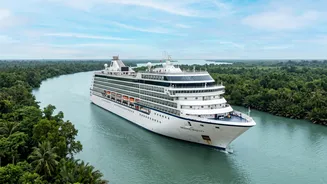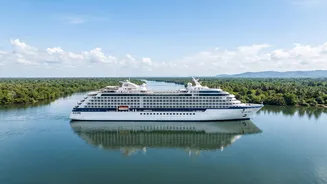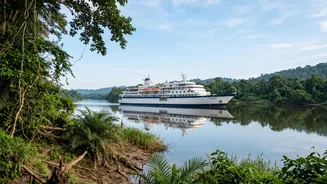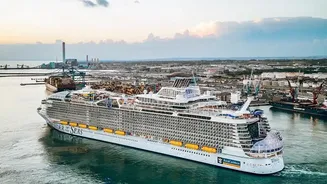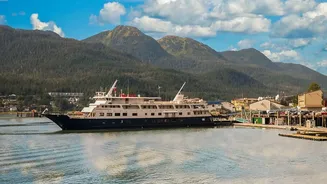




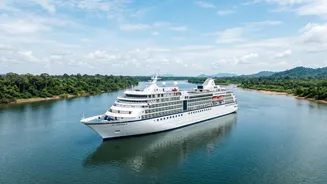
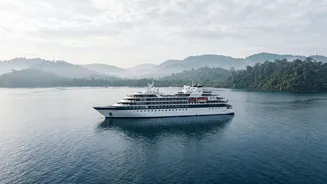
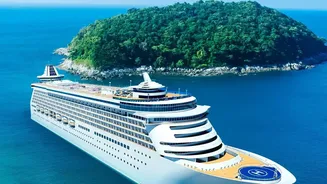
Imagine selling your home to live on a cruise ship sailing the world for over three years. For residents of the Villa Vie Odyssey, this dream has hit a harsh reality. Their continuous global voyage has come to a sudden, unplanned stop in Cambodia.
The Dream of a Never-Ending Voyage
The
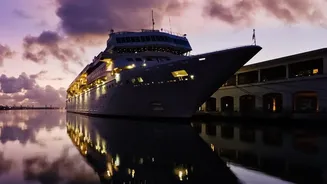
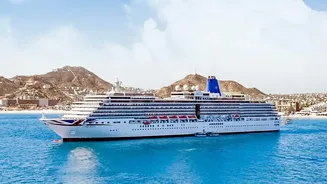
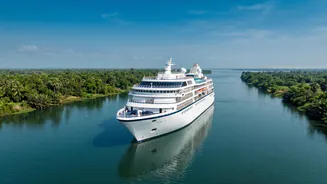
Villa Vie Odyssey is not a typical cruise ship; it's a floating residential community. Operated by US-based Villa Vie Residences, the vessel embarked from Belfast in October 2024 on a highly ambitious, continuous 3.5-year journey intended to visit over 425 ports in nearly 150 countries. Passengers, referred to as residents, could buy cabins for permanent residency—with prices ranging from around $120,000 to over $440,000—or opt for shorter-term rentals, plus substantial monthly fees. The concept offered a life of perpetual travel without the hassle of airports and constant packing, creating a close-knit community at sea. The ship itself, a refurbished vessel formerly known as the Braemar, was chosen for its smaller size, allowing it to access ports that larger mega-ships cannot.
An Abrupt End in Sihanoukville
The dream came to a jarring halt in late October 2026. While docked in the Cambodian port of Sihanoukville, the roughly 200 residents on board were given a shocking notice: they had just a few hours to pack their belongings and disembark. The voyage was suspended indefinitely. The ship, which had arrived from Thailand, was originally scheduled to head to Vietnam next. Instead, passengers found themselves unexpectedly stranded in Cambodia, scrambling to find hotels and figure out their next steps. The company stated it was assisting with temporary living arrangements, but some passengers reported they were left to find their own accommodations.
Why Did the Cruise Stop?
Villa Vie Residences has blamed the suspension on a severe financial crisis sparked by soaring fuel costs. The company stated that monthly fuel expenses per cabin, which historically averaged around $1,800, had surged to between $6,000 and $8,000 in parts of Asia. This massive increase, which the company linked to the ongoing war in Iran, created what it called 'unsustainable financial pressure'. Prior to the shutdown, the operator had already been taking measures to save money, such as slowing the ship's speed, extending port stays, and cancelling some stops entirely to conserve fuel. Over its two years of operation, the ship had already visited 28% fewer ports than originally planned. Despite these efforts, the financial shortfall became too large to overcome, leading to the decision to halt operations.
Warning Signs and Passenger Reactions
For many residents, the sudden announcement was a shock, but not a complete surprise. There had been growing signs of trouble for months. Passengers reported that the company had made several 'cash calls', asking residents for extra money to cover fuel costs just to get to the next port. Onboard services had reportedly deteriorated, and some crew members had allegedly gone unpaid for months. The atmosphere on the ship was described as a 'pressure cooker' as financial uncertainty mounted. The reaction among the stranded residents has been a mix of heartbreak, disbelief, and resilience. Some passengers, who had invested their life savings, were left shell-shocked and unsure of their future. Others, while disappointed, spoke of the incredible adventure they'd had and expressed hope for a resolution. Many are now waiting in Cambodian hotels, forming support groups as they process the collapse of their dream voyage.