



Fortify Your Electronics
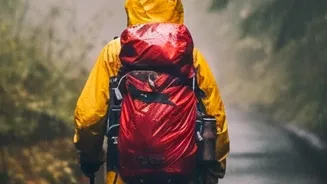
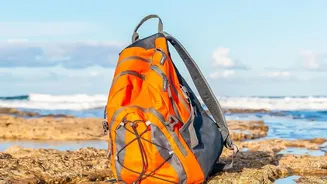
Your laptop, phone, and other gadgets are most vulnerable to water damage. Your first line of defence is a high-quality waterproof or water-resistant backpack. Even with a good bag, it's wise to double down on protection. A dedicated waterproof laptop sleeve
provides an essential extra layer. For smaller items like phones, power banks, and chargers, simple Ziploc bags are surprisingly effective and a travel essential. If you're caught in a downpour, a large plastic grocery or trash bag can be a lifesaver; use it as an internal liner for your backpack to shield its entire contents from moisture. This layering strategy ensures that even if the outer bag gets damp, your expensive electronics remain perfectly dry.
Tame the Cable Tangle
Cables and chargers are often an afterthought, tossed into a side pocket. During the monsoon, this is a recipe for disaster. Moisture can easily seep into small pockets and damage the sensitive connectors. Use a dedicated electronics organiser or a waterproof pouch to keep all your cables, chargers, and adapters together and dry. This not only protects them from water but also prevents them from becoming a tangled mess. Before packing, inspect your cables for any frays or damage, as exposed wires are particularly susceptible to shorting out in humid conditions. Grouping them by device (phone charger, laptop power brick) in separate smaller bags within your main organiser can add another layer of convenience and protection.
Choose Your Wardrobe Wisely
The right fabric can make or break your comfort during a monsoon trip. Steer clear of heavy materials like denim and pure cotton. While cotton is breathable, it absorbs a lot of water and takes a very long time to dry, leaving you feeling damp and uncomfortable. Instead, opt for lightweight, quick-drying synthetic fabrics like polyester, nylon, and polyamide. These materials are hydrophobic, meaning they repel water and dry quickly, keeping you comfortable even in high humidity. They are also less prone to wrinkling when packed. For a more natural feel, lightweight linen and khadi cotton are also good options, as they are breathable and don't cling when damp.
Master the Art of Dry Packing
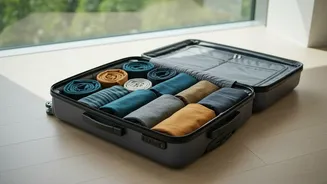
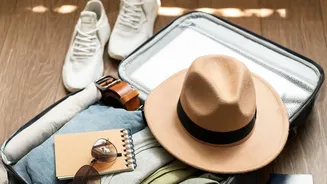
How you pack your clothes is as important as what you pack. Packing cubes are invaluable; they not only keep your suitcase organised but can also help compress clothing and create a barrier against moisture. For an extra level of waterproofing, you can line your suitcase or packing cubes with a large plastic bag. Rolling your clothes instead of folding them can help reduce wrinkles and allows for more compact packing. Crucially, always pack a few extra plastic or reusable waterproof bags for storing wet or dirty laundry. This simple trick prevents moisture and musty smells from spreading to your clean, dry clothes, a common problem in humid environments. You'll be thankful when you have a dedicated space for that damp swimsuit or rain-soaked jacket.
Don't Forget Your Footwear
Wet feet are not only uncomfortable but can also lead to fungal infections. Avoid packing only leather shoes or canvas sneakers, which absorb water and take ages to dry. Instead, opt for rubber-soled sandals, floaters, or waterproof slides that can handle puddles and dry off quickly. If you need more formal footwear, look for shoes made from synthetic, water-resistant materials. It's always a good idea to pack at least two pairs of shoes so you can alternate, allowing one pair to dry completely while you wear the other. Packing an extra pair of socks in your daypack is another pro-tip for staying comfortable when exploring.