

The Foundation: Footwear and Layering
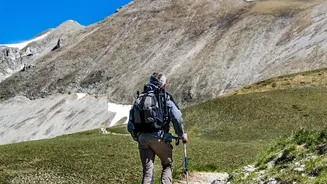
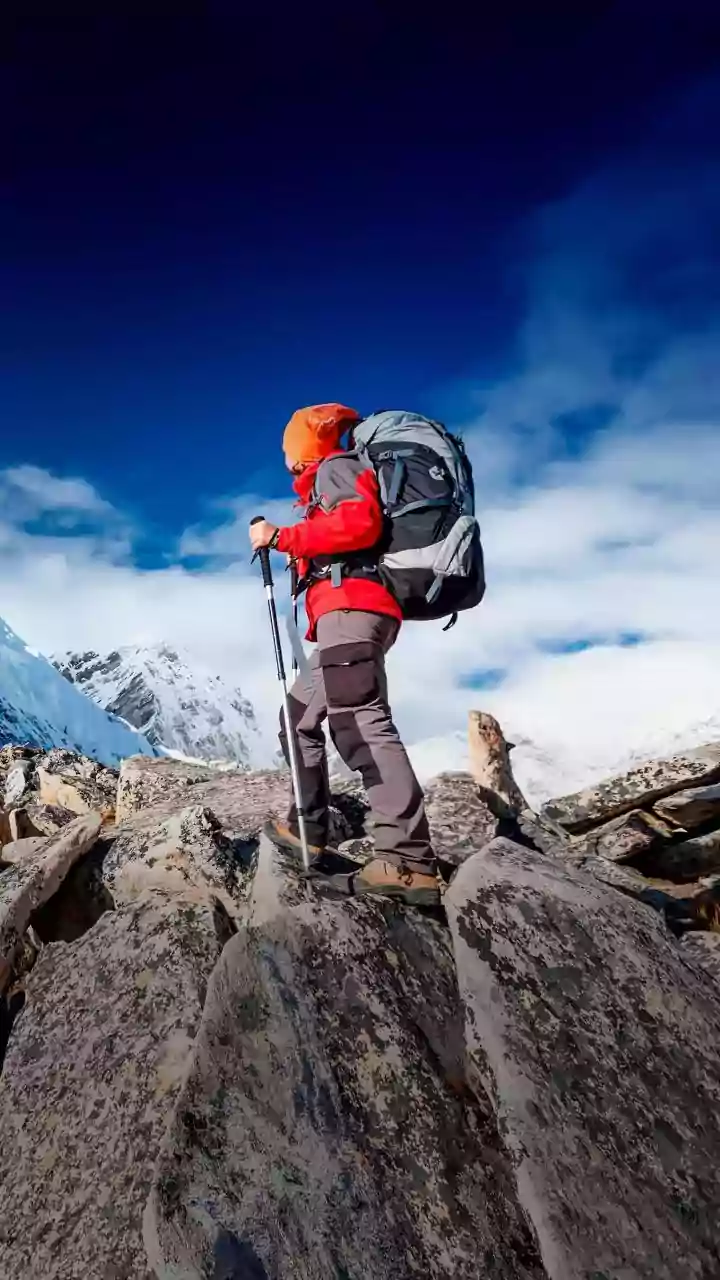
Your comfort on the trail starts from the ground up. Sturdy, broken-in hiking boots or shoes with good grip are non-negotiable. The terrain can be rocky and uneven, and proper ankle support can prevent common injuries. Pair them with moisture-wicking
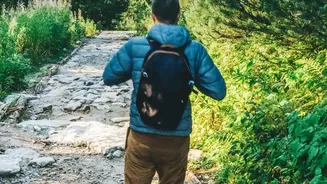
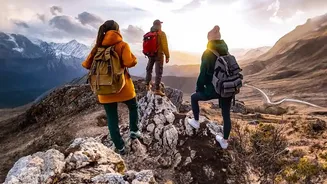
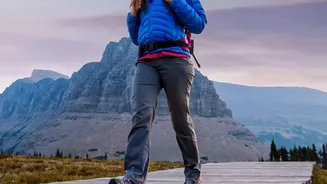
wool or synthetic socks to keep your feet dry and blister-free. Avoid cotton socks at all costs, as they retain moisture. The golden rule for mountain dressing is to use layers. Start with a moisture-wicking base layer (synthetic or merino wool) that pulls sweat away from your skin. Add a fleece or a light insulated jacket as a mid-layer for warmth; this can be easily removed or added as your temperature changes. Finally, always carry a waterproof and windproof outer shell jacket. Even on a sunny day, a sudden downpour or high-altitude winds can quickly lead to a dangerous chill.
The Ten Essentials: Your Safety Net
Experienced hikers and search and rescue teams swear by the 'Ten Essentials'. These items should live in your backpack for every hike, no matter how short. First is navigation; bring a physical map and a compass, and know how to use them. Don't rely solely on your phone, as batteries can die and service is spotty. Second is illumination, like a headlamp or flashlight with extra batteries, crucial if you're out longer than expected. Third, always have sun protection, including sunglasses, a hat, and sunscreen, as the sun's intensity is stronger at higher altitudes. The remaining essentials include a first-aid kit (with blister care), a pocket knife or multi-tool, a fire starter (waterproof matches or lighter), an emergency shelter (like a space blanket), and extra food and water.
Fuel and Hydration: Powering Your Hike
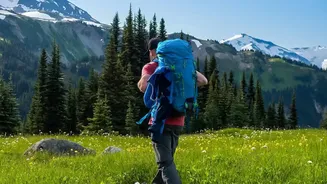
Hiking burns a significant number of calories, so packing enough food and water is critical. Carry more than you think you'll need. High-energy, non-perishable snacks like nuts, dried fruit, and protein bars are perfect for trail fuel. For water, a good rule of thumb is to carry at least one to two litres per person for a day hike. On warmer days or more strenuous trails, you will need more. Consider carrying a lightweight water filter or purification tablets. This allows you to safely refill your bottles from the Rockies' abundant streams and rivers, saving you from carrying excess weight.
Wildlife Safety: Respecting the Locals
The Canadian Rockies are home to a variety of wildlife, including both black and grizzly bears. Parks Canada strongly recommends that all hikers carry bear spray. This is not a repellent to be sprayed on your gear; it is a deterrent to be deployed only if a bear is charging or acting aggressively. Crucially, you must carry it in an accessible location, like a hip or chest holster, not inside your backpack. You only have seconds to react in an encounter. Make sure you know how to use it and check that it has not expired. Making noise while you hike—by talking, singing, or calling out—is one of the best ways to avoid a surprise encounter.
The Little Extras for Comfort
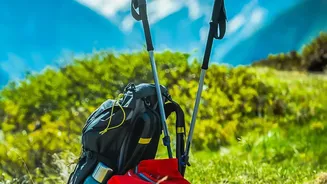
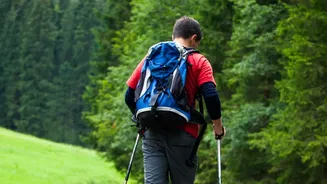
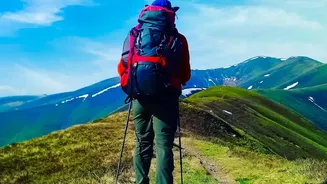
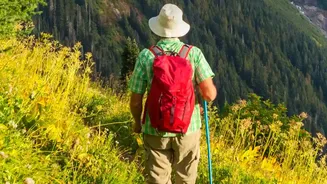
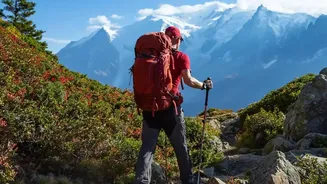
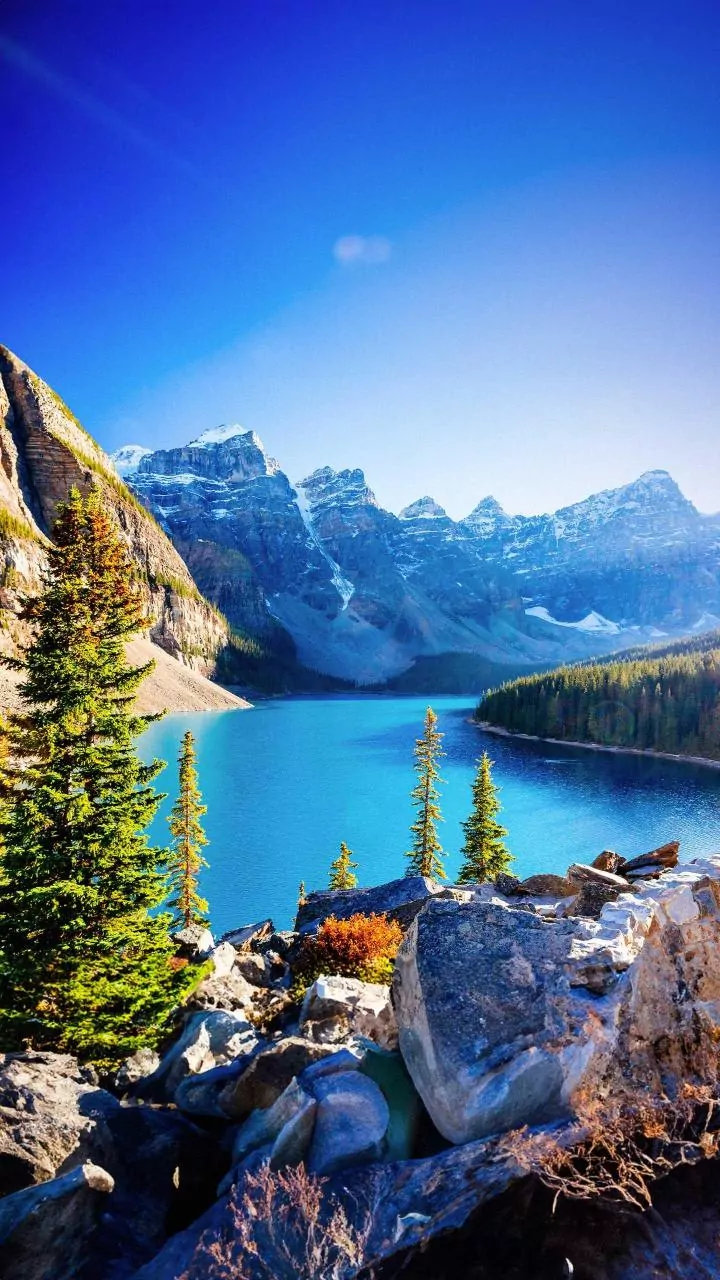
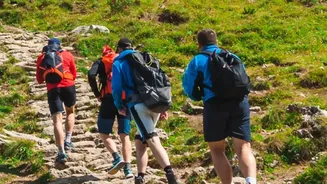
Beyond the absolute essentials, a few small items can significantly improve your hiking experience. Trekking poles can reduce the strain on your knees during steep descents and provide extra stability on tricky terrain. A small waterproof bag or case can protect your phone and camera from a sudden downpour. Insect repellent is a must, especially near lakes and in wooded areas during the summer months. Finally, don't forget your camera or a fully charged phone. The views are spectacular, and you’ll want to capture the memories of your scenic mountain walk.