








The Great Digital Migration
For decades, the Indian cosmetic industry focused its energy on the eight largest metropolitan cities. This is where the money was, where the trends were set, and where premium brands had a physical presence. But a quiet and powerful shift has occurred,
driven by two forces: affordable data and the smartphone. Today, a young woman in Ludhiana, Kochi, or Indore has the same access to the digital world as her counterpart in Bandra. This widespread internet penetration has dismantled the geographical barriers that once defined consumer access. E-commerce platforms are no longer a metro convenience; they are a vital bridge to a world of products that were previously out of reach, seen only in magazines or on TV. This isn't just about shopping; it's about participating in a national, even global, conversation about beauty and style for the first time.
Aspiration Meets Accessibility
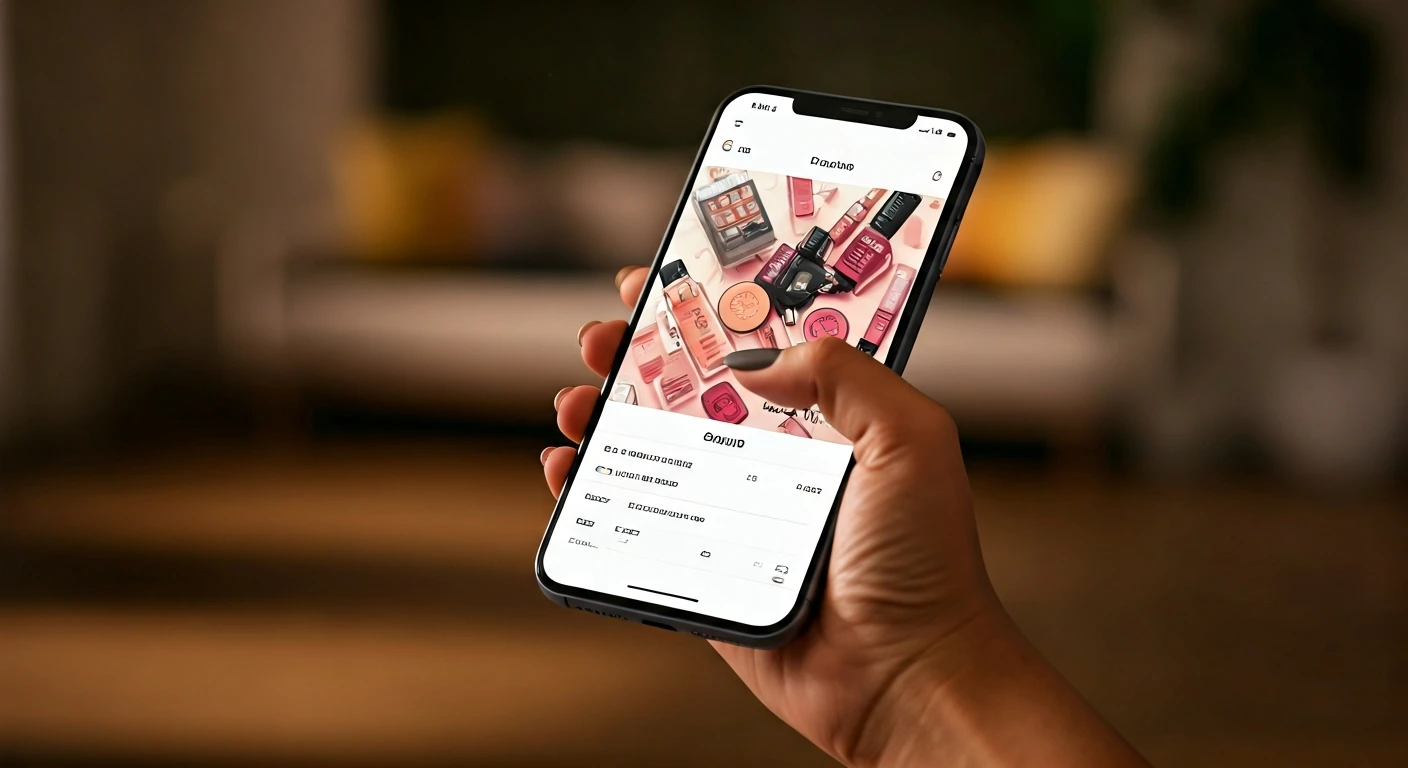
The core of this trend lies in a simple formula: aspiration plus accessibility equals sales. Social media platforms like Instagram and YouTube are powerful engines of aspiration. They offer a constant stream of tutorials, reviews, and lifestyle content that creates desire. For a young person in a non-metro town, this digital window isn’t just entertainment; it’s a source of education and inspiration for self-expression. Before the e-commerce boom, seeing a product on screen would lead to a dead end. Local stores had limited stock and rarely carried the trendy, direct-to-consumer (D2C) brands that dominate online conversations. Now, platforms like Nykaa, Purplle, and Myntra have closed that gap. A user can see an influencer recommend a serum, search for it, read reviews, and have it delivered to their doorstep within days. This seamless journey from desire to ownership is the engine of the digital cosmetics market.
The Power of the Regional Influencer
While Bollywood stars still feature in national campaigns, the real sales drivers in non-metro markets are often regional influencers. These creators build trust and authenticity by speaking in local languages and addressing the specific concerns of their audience—from dealing with humidity in coastal towns to finding foundation shades that match local skin tones. They are seen not as distant celebrities but as relatable 'didis' or friends offering genuine advice. Their recommendations carry immense weight. A review from a popular Tamil or Bengali beauty vlogger can drive more sales in their respective regions than a multi-crore national campaign. Brands have been quick to recognise this, increasingly partnering with a diverse and hyperlocal network of micro- and macro-influencers to build credibility and connect with this audience authentically.
How E-commerce Platforms Adapted
The success wasn't accidental. Digital retailers made smart, strategic moves to cater specifically to this emerging customer base. They invested heavily in vernacular content, ensuring their apps and websites were usable for customers more comfortable in Hindi, Tamil, Telugu, or Bengali. They also pioneered the use of video and live commerce, formats that are highly effective in demonstrating product use and answering questions in real-time, mimicking the experience of in-store consultations. Furthermore, they understood the importance of building communities. Features like Nykaa's 'Beauty Book' and expert forums create a space for users to ask questions and share their own experiences, building a loyal ecosystem that goes far beyond simple transactions. They transformed shopping from a solitary activity into a shared, interactive experience.
More Than Just Makeup
Finally, it's crucial to understand that this boom is not just about lipstick and eyeliner. For many young people in non-metro India, purchasing cosmetics is an act of self-care and empowerment. The conversation has expanded to include skincare, wellness, and hair care. Brands that focus on clean ingredients, scientific formulations, and solving specific problems like acne or pigmentation are finding a highly engaged audience. This demographic is well-researched, having spent hours watching tutorials and reading reviews. They are not just buying products; they are investing in themselves, using beauty as a tool for confidence and personal expression in a rapidly changing social landscape.