
As winter's chill sets in, the warm, nutty aroma of chestnuts becomes irresistible. While reaching for a can is easy, the true magic lies in using fresh chestnuts. The difference in flavour and texture is a revelation for any home cook.
The Chasm Between Fresh and Canned
The primary distinction
between fresh and canned chestnuts lies in texture and taste. Fresh chestnuts, when roasted or boiled, offer a firm, slightly crumbly, yet creamy bite with a distinctly sweet, earthy flavour. They are starchy and satisfying. Canned chestnuts, on the other hand, are pre-cooked and packed in water or brine. This processing often leaves them with a softer, sometimes mushy consistency and a muted flavour that can carry a faint metallic aftertaste. The high-heat canning process breaks down the nut's structure, making it unable to provide the satisfying bite that fresh chestnuts deliver in stuffings, stews, and soups. While convenient, canned varieties simply can't replicate the rich, caramelised notes that develop when a fresh chestnut is cooked from raw.
How to Select Perfect Fresh Chestnuts
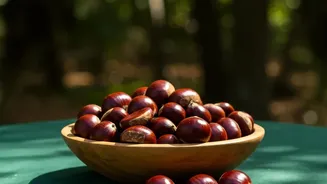
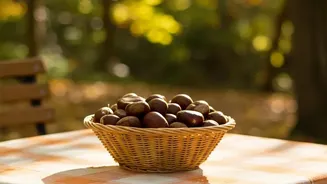
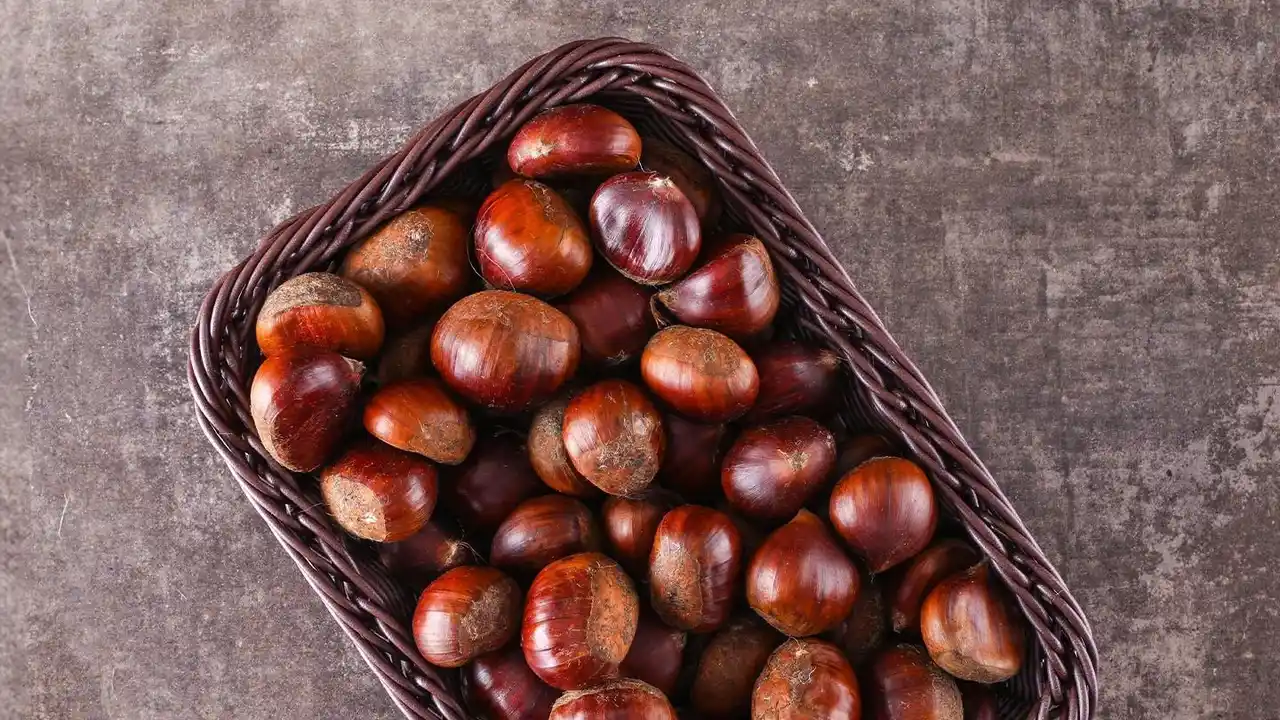
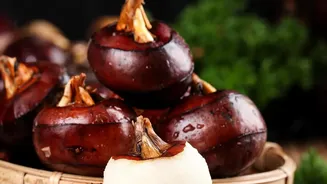
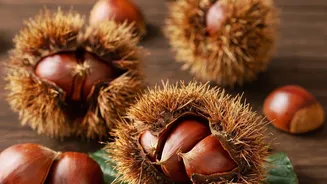
Your journey to superior flavour begins at the market. When selecting fresh chestnuts, which are typically available from autumn through winter, look for nuts that feel heavy for their size. This density indicates they are well-hydrated and fresh. The shells should be glossy, firm, and free of any blemishes, cracks, or small holes, which could be a sign of insects. Give the chestnut a gentle shake; a rattling sound suggests the nut inside has dried out and shrunk, a clear sign of age. Also, check the flat base of the nut; a pale, cream-coloured scar is a sign of freshness, whereas a dark brown or black one indicates it's older. Avoid any that are stored in sealed plastic bags at room temperature, as this can encourage mould.
The Essential Prep: Scoring and Cooking
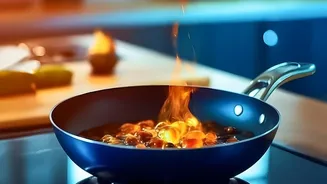
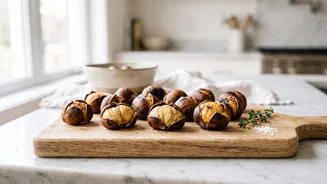
Before you can enjoy them, fresh chestnuts require a bit of prep, but it's a simple and rewarding process. The most crucial step is to score each nut. Using a small, sharp knife, carefully cut an 'X' into the flat side of the chestnut shell. This allows steam to escape during cooking, preventing them from exploding under pressure. Once scored, you have two main options for cooking. For roasting, place the chestnuts on a baking sheet and cook at around 200°C for 15-25 minutes, until the shells peel back at the 'X' and the nut inside is tender. For boiling, place the scored nuts in a pot of water, bring it to a boil, and simmer for about 15-20 minutes. In either case, it's easiest to peel them while they are still warm. A good trick is to wrap the hot, cooked chestnuts in a clean tea towel for about 10 minutes; the trapped steam helps loosen both the hard outer shell and the papery inner skin.
Beyond Snacking: Incorporating Chestnuts into Meals
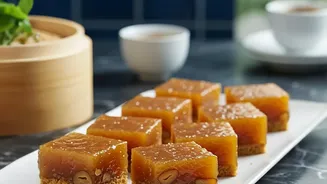
Once peeled, fresh chestnuts are incredibly versatile. Their sweet, nutty character complements a wide range of savoury and sweet dishes. They can be roughly chopped and added to stuffings for poultry or folded into a vegetable Wellington for a hearty texture. Their creamy consistency when cooked makes them a wonderful base for velvety winter soups and purées, often paired with mushrooms, parsnips, or squash. They also add a delightful chewiness to pasta dishes, stews, and even 'carbonara' style sauces. For dessert, puréed chestnuts can be sweetened to create the classic Mont Blanc, used as a filling for tarts and pastries, or incorporated into rich chocolate tortes. The firm texture of properly cooked fresh chestnuts ensures they hold their shape, adding substance to every bite.