




The New Definition of Luxury
For years, the quintessential Bali honeymoon involved five-star beachfront resorts, infinity pools overlooking the ocean, and a bustling social scene in Seminyak or Canggu. While that version of paradise still exists, a quieter, more thoughtful alternative
has captured the imagination of modern couples. The 'next gen' honeymoon is less about performative luxury and more about immersive experience. It prioritizes privacy, authenticity, and a light environmental footprint. This shift is driven by a generation that values sustainability not as a trend, but as a core principle. They seek travel that enriches the soul and respects the destination, trading predictable comforts for unforgettable moments in nature.
Architecture That Breathes
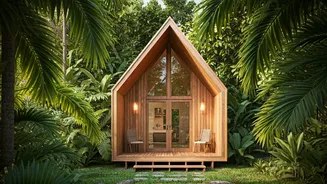
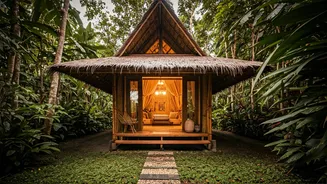
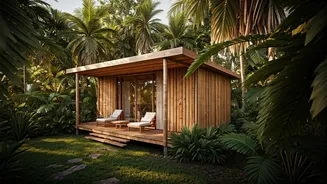
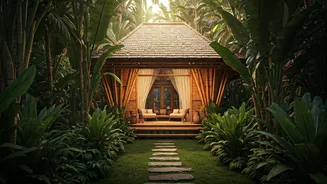
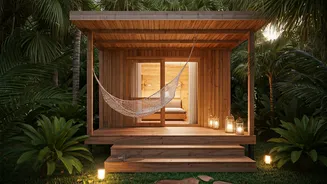
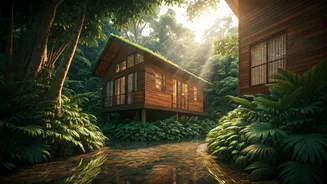
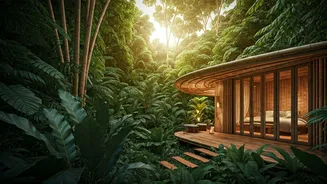
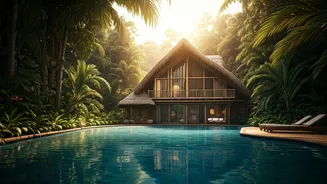
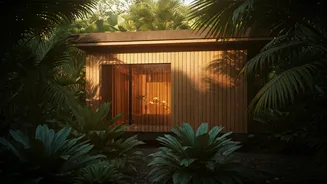
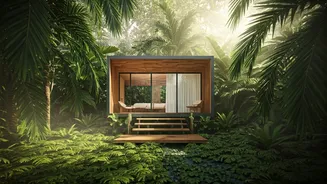
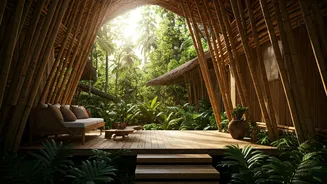
At the heart of this movement are the cabins themselves—architectural marvels crafted from nature. These aren’t your rustic, backwoods sheds. Think structures made almost entirely of bamboo, soaring into the jungle canopy, or cabins built from reclaimed teak wood, featuring open-air bathrooms where you can shower under the stars. The design philosophy is one of integration, not imposition. Walls are often replaced with sliding glass doors or are left open to the elements, blurring the line between indoors and out. You might wake up to the mist rolling through a rice valley from your bed or enjoy a meal on a balcony suspended over a river. It’s a design that encourages you to unplug from technology and reconnect with the world around you.
The Real Meaning of 'Eco'
The 'eco' in eco-honeymoon is more than just a marketing buzzword. At the best of these properties, it's a deeply ingrained ethos. Sustainability is woven into every aspect of their operation. This goes far beyond asking guests to reuse their towels. It means construction using locally sourced, renewable materials. It means harnessing solar power for electricity and implementing sophisticated water filtration systems to conserve Bali’s precious resources. Many of these retreats operate their own permaculture farms, supplying their kitchens with organic, farm-to-table produce. This not only ensures incredibly fresh and delicious food but also minimises food miles and supports local agriculture. Some even channel profits back into community projects, ensuring that tourism benefits the local Balinese population directly.
An Itinerary of Experiences
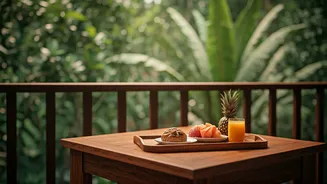
The daily routine at an eco-cabin is intentionally slow. The goal isn’t to tick off a long list of sights but to fully inhabit the experience. Mornings might begin with a private yoga session overlooking a lush jungle gorge, followed by a breakfast of tropical fruits grown just metres away. Afternoons could be spent reading in a hammock, taking a guided trek to a hidden waterfall, or learning to cook traditional Balinese cuisine using ingredients from the on-site garden. Evenings are for quiet contemplation, listening to the symphony of cicadas and frogs from the comfort of your secluded deck. It’s a honeymoon focused on creating shared memories rather than just capturing them, offering a profound sense of peace and intimacy that is often the greatest luxury of all.