









A Simple Solution to a Pressing Need
India's community cats navigate a world of daily challenges. From scorching summer heat that radiates off pavements to the torrential downpours of the monsoon season and the biting cold of winter nights, survival is a constant struggle. For kittens, the elderly,
or sick cats, the lack of adequate shelter can be a death sentence. Animal welfare organisations and local rescuers have long sought practical, scalable ways to provide safe havens. While concrete structures are permanent, they are also expensive and difficult to place. This is where the beauty of a low-tech, high-impact solution comes into play, one that repurposes a material available in abundance.
The Cardboard Cottage
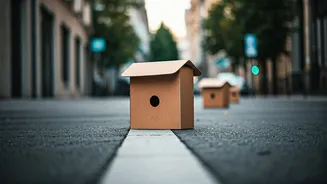
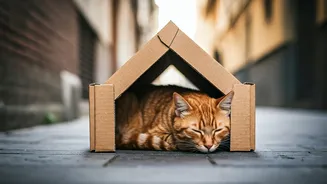
Enter the cardboard shelter. At its most basic, it is a sturdy carton, often sourced from local businesses or donation drives. But a lot of thought goes into turning a simple box into a 'cat cottage'. Volunteers and welfare groups often line the inside with materials like straw, old blankets, or styrofoam for insulation, which keeps the cats warm and dry. The exterior is frequently wrapped in plastic sheets or tarpaulin to make it water-resistant, a crucial feature during the monsoon. The entrance is cut just large enough for a cat but small enough to keep out larger predators and retain warmth. Some designs even feature a small overhang to prevent rain from getting in. This isn't just about providing a box; it's about thoughtful engineering born from compassion.
A Nationwide Grassroots Movement
This initiative isn't driven by a single organisation but is a testament to the power of grassroots activism. From Delhi to Mumbai, Bengaluru to Kolkata, individuals and small, community-run animal groups are leading the charge. Social media has become a powerful tool for organising these efforts. A post calling for cardboard donations can quickly go viral, and weekend 'shelter-building' drives bring communities together. These groups work with local residents and shopkeepers to find safe, unobtrusive spots to place the shelters—often in quiet alleyways, under staircases, or within gated community compounds where the cats are already being fed and cared for by residents.
Challenges and Considerations
The solution, while brilliant in its simplicity, is not without its challenges. The temporary nature of cardboard means the shelters need regular maintenance and replacement, especially after heavy rains. Sometimes, the shelters are mistaken for trash and cleared away by municipal workers, or they are vandalised. To combat this, many groups now label the boxes clearly, with messages like “Stray Cat Home, Please Do Not Disturb” in both English and the local language. Securing cooperation from Resident Welfare Associations (RWAs) can also be a hurdle, as some members may be opposed to sheltering stray animals. This highlights the ongoing need for education and advocacy about the benefits of co-existence and compassionate animal management.
How You Can Get Involved
Inspired to help? The barrier to entry is wonderfully low. You can start by contacting a local animal welfare group in your city to see if they have a shelter-building programme you can join or donate to. Many online retailers deliver goods in large, sturdy boxes that are perfect for this purpose. If you care for cats in your own neighbourhood, you can build a simple shelter yourself. Just ensure it's placed in a safe location where it won't obstruct foot traffic and is protected from the elements. Providing dry bedding and ensuring the shelter remains clean is just as important as building it. It's a small act that can make a world of difference to a creature in need.