





An Agonising Wait Ends
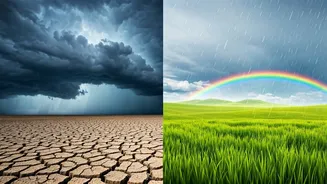
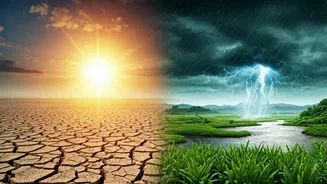
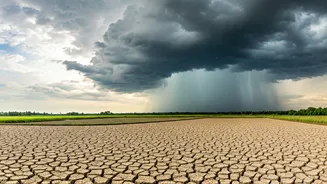
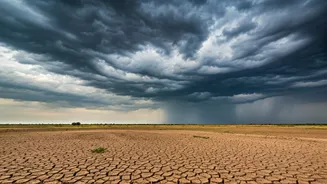
The past month has been a trial by fire for North India. Cities and villages alike have sweltered under a punishing heatwave, with temperatures consistently soaring well above 40 degrees Celsius and, in some areas, nearing unbearable highs. Life slowed
to a crawl as people sought refuge from the oppressive daytime heat. The scorching conditions put an immense strain on power grids, depleted water reserves, and created serious health risks for millions, from daily wage labourers to elderly residents. Reports from across the region spoke of a collective, desperate wait for the one thing that could break the fever: the monsoon.
The Monsoon's Grand Entrance
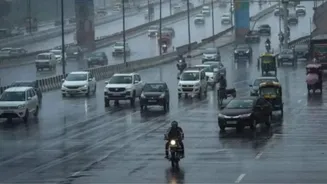
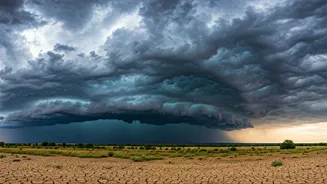
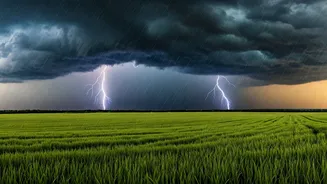
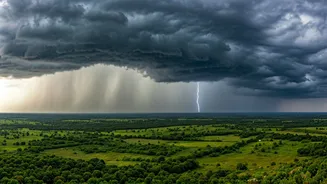
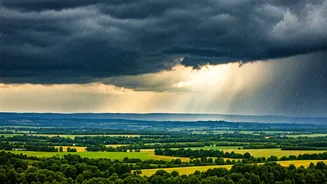
The wait is now over. In the last few days, the northern limit of the monsoon has surged forward, covering vast swathes of the plains. [8] The India Meteorological Department (IMD) had forecast its arrival around the normal date of June 27 for Delhi, and pre-monsoon showers and dust storms in the preceding week were a sign of the changing weather patterns. [5, 11] Now, widespread, steady rainfall has been reported, officially marking the end of the dry spell and the beginning of the four-month-long rainy season that is the lifeblood of the subcontinent.
From Delhi to the Heartland
The relief is not isolated. The monsoon's advance is bringing rain to a wide territory, including the National Capital Region (NCR), Haryana, Punjab, and parts of Uttar Pradesh and Uttarakhand. [15] After weeks of watching the monsoon's slow and sometimes stalled progress across central India, its decisive push into the northern plains is a welcome sight. [13] For residents of Delhi, the drop in temperature from the high 40s to a more manageable level in the low 30s is a tangible relief, changing the very air they breathe. The rains have washed away the dust and pollutants that had settled over the region, leading to a noticeable improvement in air quality. [4]
More Than Just Cooler Air
The significance of the monsoon's arrival extends far beyond providing comfort from the heat. For the agricultural heartland of India, this is a critical moment. The rains are vital for the sowing of Kharif crops, including rice, soybean, and cotton, which are planted at the start of the monsoon. [18] Farmers across the region had been anxiously watching the skies, with many delaying planting due to the lack of rain. [17] These first showers replenish soil moisture and provide the necessary conditions for a successful sowing season, which underpins the livelihoods of millions and the nation's food security. [22] The rains will also begin the long process of recharging depleted rivers, lakes, and groundwater reserves. [22]
A Cautious Outlook
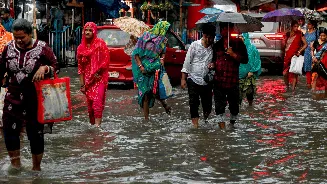
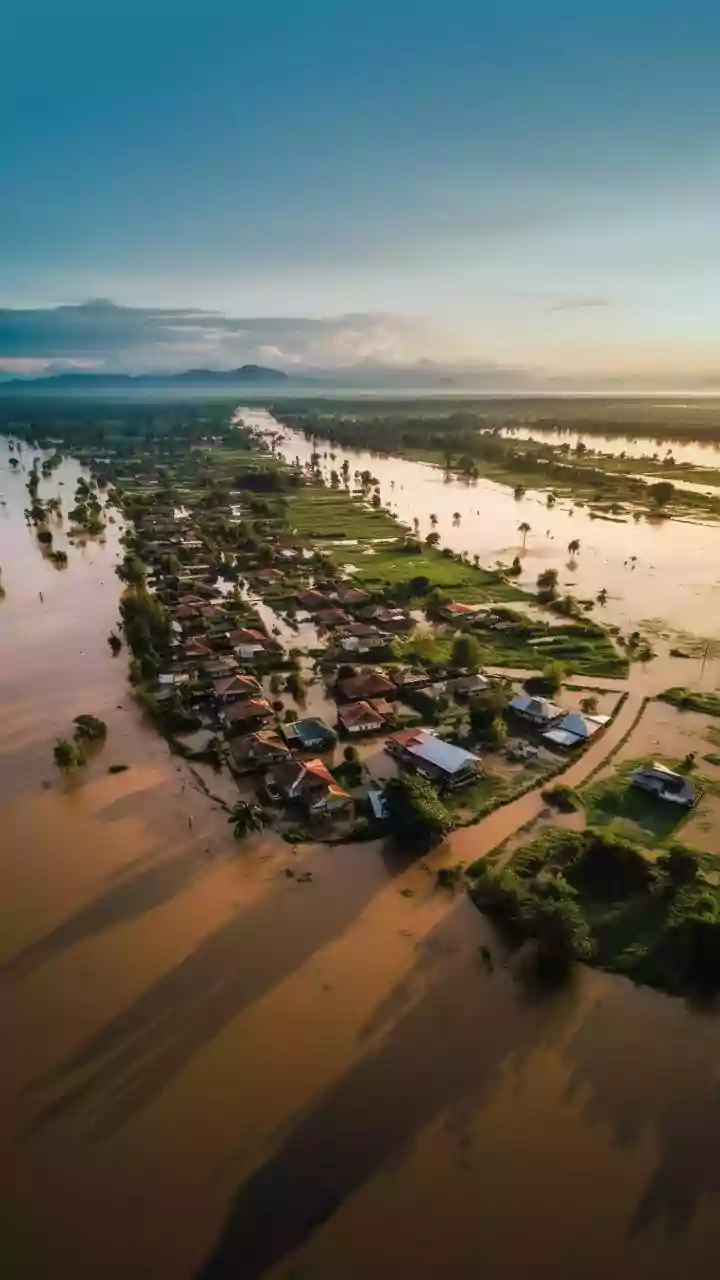
While the arrival of the monsoon is a cause for celebration, authorities and forecasters remain watchful. The initial rainfall has been robust, but the overall performance of the monsoon this year is still under the shadow of a developing El Niño, a climate pattern that can sometimes lead to weaker or erratic rainfall. [19, 21] The IMD had forecast a below-normal monsoon for the season as a whole. [20] The coming weeks will be crucial in determining if the rains will be consistent and well-distributed. Furthermore, the relief from heat can quickly be replaced by challenges such as urban flooding and waterlogging, reminding citizens that the monsoon, while essential, demands respect and preparedness.