







What is the New Proposal?
The Goa Forest Department has put forward a significant proposal to the Department of Environment and Climate Change. It suggests officially designating 24 beaches across the state—10 in North Goa and 14 in South Goa—as turtle nesting sites under the Coastal
Regulation Zone (CRZ) Notification of 2019. This list includes not only well-known nesting sites like Morjim, Mandrem, Agonda, and Galgibaga, but also popular tourist hubs like Calangute, Baga, Candolim, and Palolem. The move is prompted by concerns over a recent decline in nesting numbers and aims to provide a legal framework for stricter conservation efforts.
A Guideline, Not a Ban
The headline-grabbing nature of the proposal has led to fears of a widespread 'beach ban', but the reality is more nuanced. The designation as a turtle nesting site does not mean the beaches will be closed to the public. Instead, it paves the way for a detailed environmental management plan that would regulate activities specifically during the nesting season, which runs from around October to May. The focus is on controlling factors known to harm nesting turtles and their hatchlings: artificial lighting, loud noise, vehicle movement on the sand, and the placement of beach shacks and furniture. Officials have clarified that the intent is to create guidelines for sustainable operations, not to shut down tourism.
Why the Turtles Need Protection
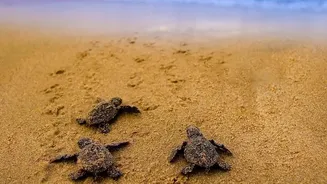
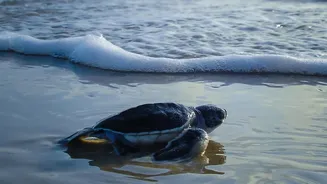
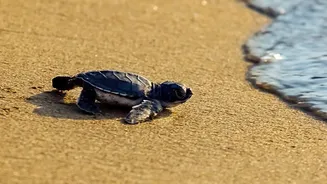
The Olive Ridley sea turtle is classified as a 'Vulnerable' species, and their survival rate is perilously low, with estimates suggesting only one in a thousand hatchlings makes it to adulthood. These turtles exhibit incredible loyalty, returning to the very beaches where they were born to lay their own eggs. However, this coincides with Goa's peak tourist season. Bright lights from shacks and hotels can disorient hatchlings, causing them to move inland instead of towards the sea. Noise and human activity can deter female turtles from coming ashore to nest. The proposal is a response to these direct threats, which have contributed to a documented drop in nesting activity on some of Goa's most important beaches.
The Livelihood vs. Conservation Debate
The proposal has ignited a familiar conflict between environmental protection and economic livelihood. Tourism stakeholders, especially shack owners and traditional fishermen, have expressed alarm. They fear that the new regulations could cripple their businesses, which depend on the peak season. The Shack Owners Welfare Society has argued that while they support turtle conservation, declaring so many popular beaches as nesting sites is impractical and could 'kill tourism'. They are seeking clarity on the exact restrictions and a seat at the table, arguing for a balance that protects both the turtles and the thousands of Goans who depend on beach tourism. Conservationists, on the other hand, welcome the proposal as a long-overdue measure essential for the species' survival.
What Happens Next?
The Forest Department's letter is currently a proposal, not a final order. It has been sent to the Department of Environment and Climate Change for consideration under the CRZ notification. For the proposal to be implemented, a detailed Environment Management Plan must be formulated for these ecologically sensitive areas. This process will likely involve stakeholder consultations, including discussions with tourism bodies and local communities, to hash out the specifics. The ultimate challenge for Goa will be to craft a policy that enforces meaningful protections for its marine visitors without alienating the local communities who are the guardians of its coast.