







A Landmark Event for Science Communication
In a groundbreaking move for science communication in India, the nation is set to host its first-ever Palaeoscience Film Festival, 'Prithvi-2026'. Scheduled to take place from July 23 to 25, 2026, in Lucknow, the festival is an initiative of the Birbal
Sahni Institute of Palaeosciences (BSIP), a leading research body under the Department of Science and Technology. The event, which has the distinction of being the first of its kind not only in India but across Asia, was recently announced by Uttar Pradesh Governor Anandiben Patel. It represents a significant effort to take palaeoscience—the study of ancient life—out of the laboratory and into the public imagination through the accessible and powerful medium of film.
More Than Just Dinosaurs
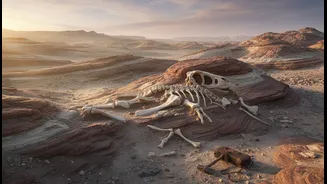
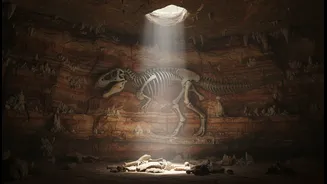
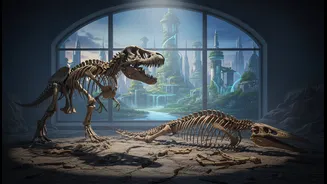
When people hear 'palaeoscience', they often think of dinosaurs. While they are part of the story, the field is much broader. It's the science of Earth’s entire history, from the earliest microbes to massive mammoths, and the ancient climates and environments they inhabited. The festival's theme, "Palaeoscience Research and Public Engagement through Visual Media," and its motto, "Bringing Earth's Stories to Life, Inspiring a Sustainable Future," capture its core mission. The organisers aim to bridge the communication gap that often exists between scientists and society, translating complex research into engaging visual stories that are relatable and relevant to everyone. By showcasing documentaries, animations, and even science fiction films, the festival hopes to make the story of our planet a subject of popular conversation.
The Real-World Connection for India Today
This brings us to the most important question: what is the practical takeaway? The festival is not an academic exercise; it's designed to connect the deep past to our most pressing modern challenges. The films and discussions will revolve around key themes like climate change, biodiversity, geo-heritage, and geo-tourism. By studying how ecosystems responded to climate shifts millions of years ago, scientists can build better models for our planet's future. Understanding India's ancient biodiversity can inform today's conservation strategies, helping us protect fragile ecosystems. The concept of 'geo-heritage' encourages us to see the very land we live on as a museum of natural history, fostering a deeper appreciation for our environment and opening up new avenues for tourism. The ultimate takeaway is a shift in perspective: realising that the key to a sustainable future may lie hidden in the stories of our planet's distant past.
Building a New Generation of Storytellers
Beyond the screenings, Prithvi-2026 aims to cultivate a new culture of science storytelling in India. The event will host a 'National Dialogue on Earth Science Communication', featuring masterclasses, panel discussions, and interactive sessions with leading scientists, filmmakers, and policymakers. This is a crucial practical outcome. It creates a platform for students, researchers, and independent directors to learn the art of weaving compelling narratives from scientific data. By nurturing a community of skilled science communicators, the festival is investing in the long-term health of public scientific understanding. The goal is to empower a new generation to tell India's unique geological and biological stories, fostering a sense of scientific temper and environmental stewardship as enshrined in the Indian Constitution.