


The Secret Weapon Hiding in Plain Sight
The single most impactful food hack isn’t a trendy gadget or a complicated recipe. It’s a time-tested technique: batch cooking and freezing. This means dedicating a small window of time, perhaps on a Sunday afternoon, to cook larger quantities of food,
which you then portion and freeze for the week ahead. It’s the art of cooking once to eat many times. Instead of starting from scratch every evening, you’ll have a library of delicious, home-cooked meals ready to be reheated. This isn’t about eating the same thing every day; it’s about creating components—like a basic masala, cooked dal, or grilled chicken—that can be quickly assembled into different meals.
How It Reclaims Your Time
Consider the time spent on a typical weeknight meal. There's the decision-making, the chopping of onions and tomatoes, the cooking process, and finally, the cleanup. This can easily add up to an hour or more each day. With batch cooking, you consolidate this effort. You chop all your vegetables at once. You dirty the pots and pans once. The daily 'cooking' time shrinks to the few minutes it takes to reheat a perfectly good dal or combine your pre-cooked sauce with freshly boiled pasta. This frees up your evenings for family, hobbies, or simply relaxing. It transforms your freezer from a frosty wasteland of forgotten items into a strategic tool for a stress-free week.
How It Protects Your Wallet
The financial benefits are just as significant. First, batch cooking encourages buying ingredients in bulk, which is almost always cheaper per unit. A 5kg bag of onions costs far less per kilo than buying two every other day. Second, it drastically reduces food waste. That half-bunch of coriander or limp carrot that would typically be thrown out can be incorporated into a big-batch soup or sauce. Most importantly, having a ready-to-eat meal at home is the ultimate defence against the temptation of ordering in. A single food delivery order can often cost as much as the ingredients for several home-cooked meals. By consistently avoiding just two or three takeaway meals a week, a family can save thousands of rupees every month.
Getting Started: Your Toolkit
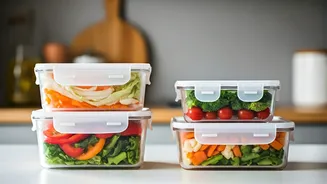
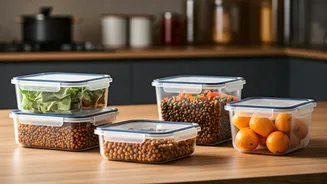
You don't need fancy equipment to start. The essentials are likely already in your kitchen. Invest in a good set of freezer-safe containers in various sizes—both glass and high-quality plastic work well. Reusable silicone bags are also a fantastic, space-saving option. A roll of masking tape and a permanent marker are non-negotiable; labeling every container with its contents and the date you cooked it is the golden rule. This prevents you from staring at a mystery frozen block in two months. Finally, ensure you have adequate freezer space. Even a small freezer compartment can hold a week's worth of meals if packed efficiently.
Your Batch-Cooking All-Stars
Not all foods are created equal when it comes to freezing. The best candidates are dishes with some moisture content. Think of dals of all kinds (dal makhani, tadka dal), hearty bean curries like rajma and chhole, rich pasta sauces, and most soups and stews. Cooked grains like rice and quinoa freeze beautifully. You can also freeze marinated meats or paneer, ready to be quickly pan-fried or grilled. Foods to avoid freezing include dishes with a high cream or yogurt content (they can split when thawed), vegetables with high water content like cucumber and lettuce (they turn to mush), and anything fried and crispy (it will become soggy).
The Sunday Afternoon Blueprint
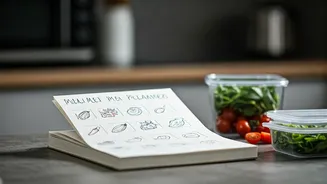
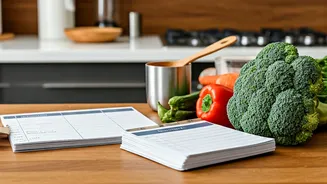
Ready to try? Here’s a simple plan. First, pick two or three recipes you love. Write a shopping list and get your ingredients. Then, follow these steps: prep all your ingredients first (the 'mise en place'). Chop all the onions, garlic, and ginger you’ll need. Next, get cooking. Get the dal simmering on one burner and the pasta sauce on another. Once the food is cooked, the most crucial step is to let it cool completely to room temperature before packing. Trapping steam will lead to ice crystals and freezer burn. Finally, portion the food into your containers, label them clearly, and stack them in your freezer. Your future self will thank you.