





The Unpacking Triage
The moment your produce box crosses the threshold is the most critical. Don't just slide it into a corner of the kitchen. Instead, make unpacking an immediate ritual. Lay everything out on the counter to take inventory. This single step prevents delicate
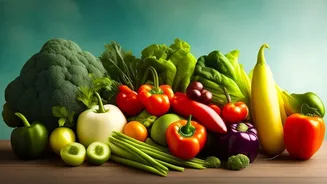
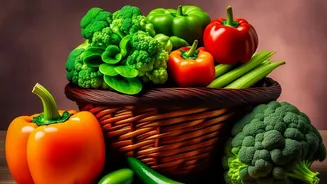
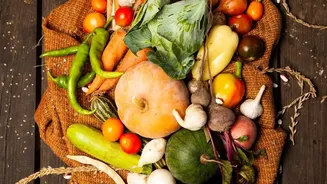
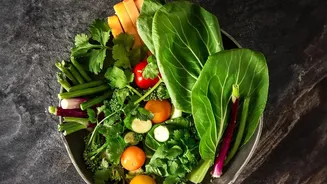
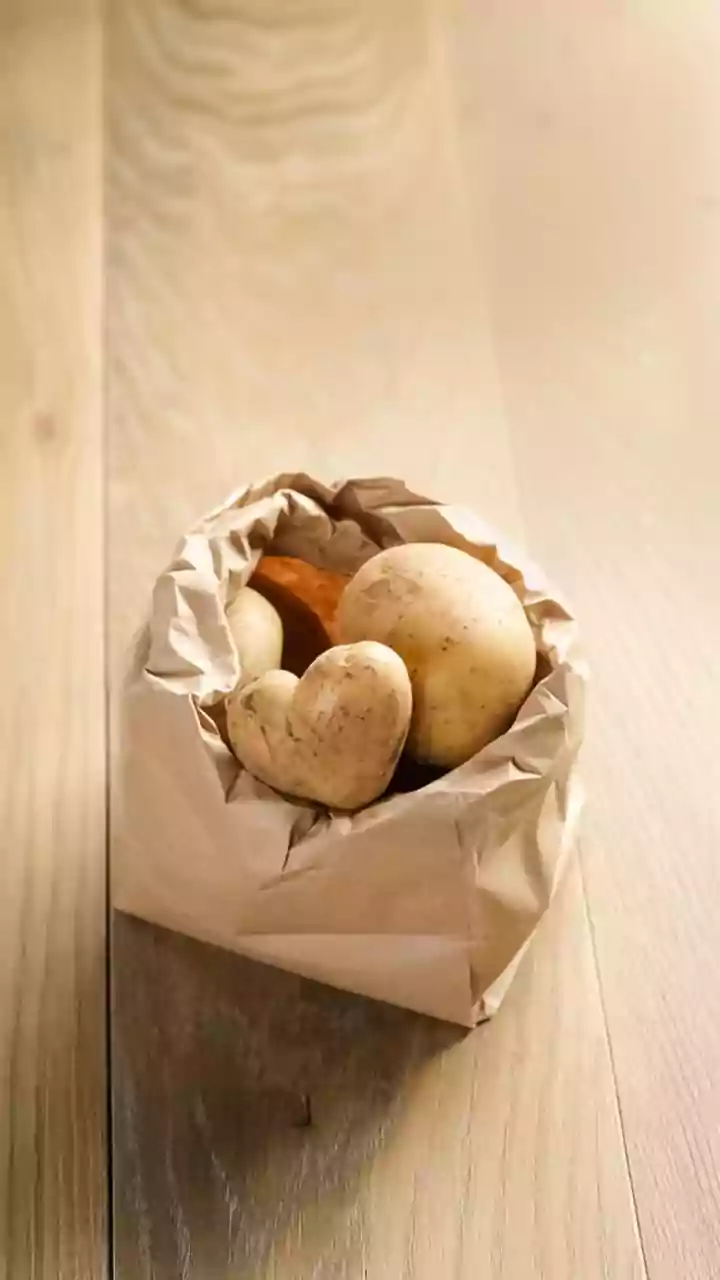
items from getting crushed at the bottom and gives you a clear visual of what you're working with for the week. As you unpack, separate the produce into three simple categories: delicate, sturdy, and long-haul. Delicate items are things that wilt or spoil quickly, like leafy greens, tender herbs, and soft berries. Sturdy items include broccoli, zucchini, and peppers. Long-haul produce, like potatoes, onions, and winter squash, requires little immediate attention and can be set aside. This quick sorting process is the foundation of your use-first strategy and takes less than ten minutes.
Prioritise Your Greens
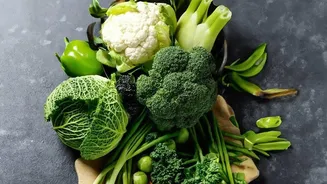
Greens are almost always the first to go. Lettuce, spinach, arugula, and other tender leafy vegetables have a high water content and are prone to wilting. Your mission is to use them within the first two to three days. To help them last, proper storage is essential. Wash and thoroughly dry your greens as soon as you get them home. A salad spinner is your best friend here. Once dry, wrap them loosely in a dry paper towel or a reusable cotton bag and place them in a crisper drawer. This method wicks away excess moisture that leads to sliminess while keeping the leaves hydrated. Your meal plan for the first half of the week should be built around these greens, whether in salads, sautés, or smoothies.
Create a 'Use Now' Zone
Out of sight is out of mind, especially in a crowded refrigerator. To combat this, designate a specific, highly visible shelf or drawer as your 'Use Now' zone. This is where all your most perishable items live. Think delicate herbs, ripe tomatoes, sweet corn, and those beautiful salad greens. By physically grouping them together, you create a visual cue that reminds you what needs to be eaten next. Every time you open the fridge, your eyes will go straight to this section, making it far more likely you'll grab those items for your next meal instead of letting them get lost in the back. This simple organizational hack turns your fridge from a food graveyard into an efficient, waste-reducing machine.
Mastering Smart Storage
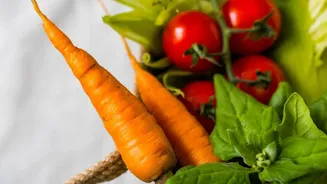
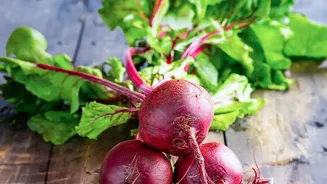
Beyond the 'Use Now' zone, smart storage can dramatically extend the life of all your produce. For root vegetables like carrots, beets, and radishes, always remove the green tops before storing. The leaves will continue to draw moisture and nutrients from the root, causing them to go limp prematurely. Store the roots in the crisper and the greens separately, treating them like any other leafy green. Vegetables that emit ethylene gas, such as tomatoes and avocados, should be stored separately from ethylene-sensitive produce like lettuce and carrots, as the gas accelerates ripening and spoilage. Most vegetables prefer being stored in a plastic bag or airtight container in the fridge to retain moisture, while onions and potatoes should be kept in a cool, dark, and dry place outside the refrigerator.
Plan Meals Flexibly
Rigid meal plans often fail when faced with the delightful unpredictability of a produce box. A better approach is flexible planning. Instead of deciding on Monday that you'll have roasted broccoli on Thursday, plan your meals in reverse. Start by building your first few days of meals around the most delicate items. Maybe that's a big salad on day one and a stir-fry with bok choy on day two. As the week progresses, you'll move on to your sturdy vegetables. This approach ensures you're eating everything at its peak. Keep a well-stocked pantry with staples like grains, beans, pasta, and good sauces. This allows you to easily incorporate any vegetable into a simple, satisfying meal without needing an extra trip to the store.
The End-of-Week Rescue Mission
Even with the best-laid plans, you might find yourself with a few odds and ends as your next box approaches. This is the time for a rescue mission. Designate one meal at the end of the week to use up whatever is left. This could be a 'kitchen sink' frittata, a blended vegetable soup, a roasted vegetable medley, or a simple pasta sauce. Chopping up various leftover veggies and tossing them with scrambled eggs or into a grain bowl is another excellent strategy. Having these go-to 'exit strategies' for leftover produce ensures that almost nothing goes to waste and provides a clean slate for the fresh bounty arriving soon.