
More Than Just Batter Rising
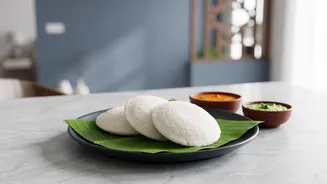
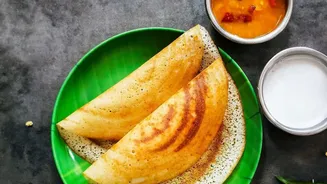
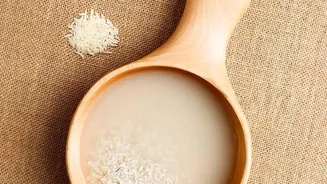
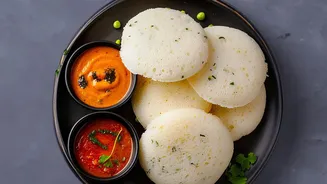
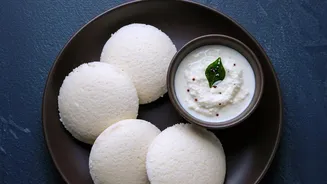
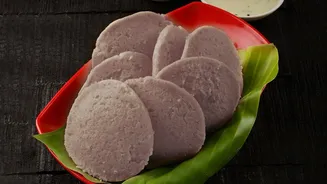
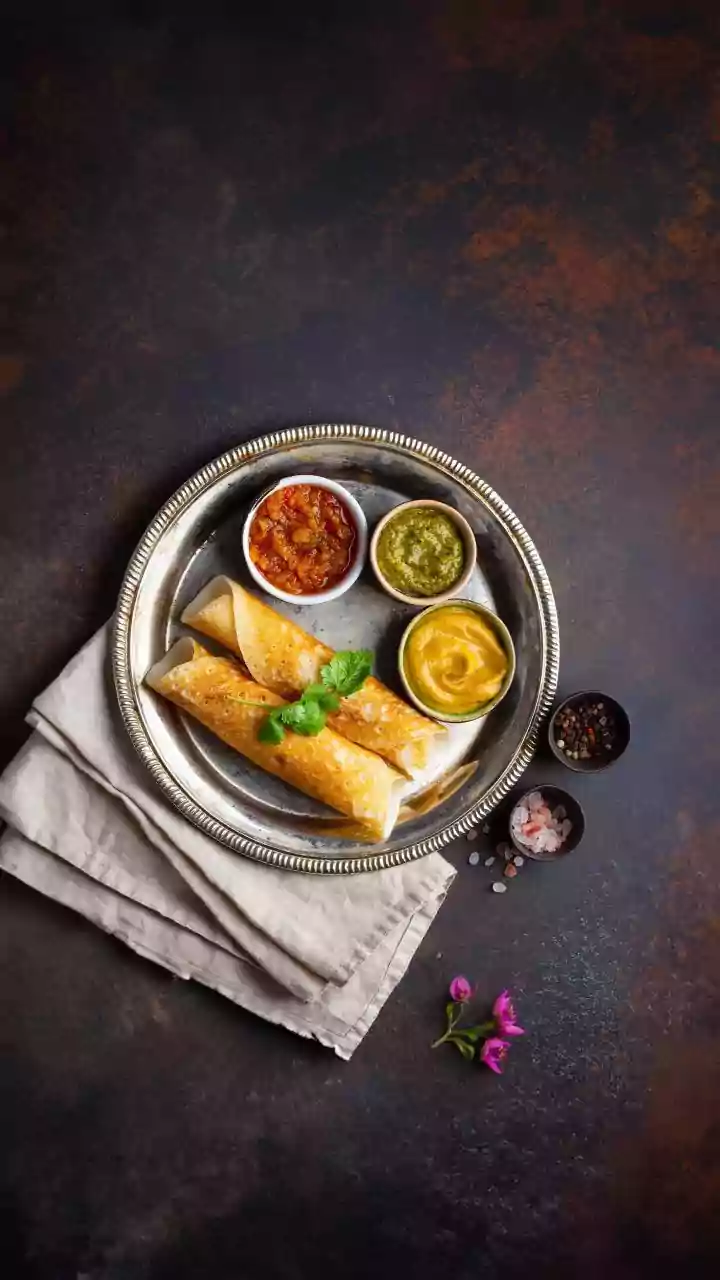
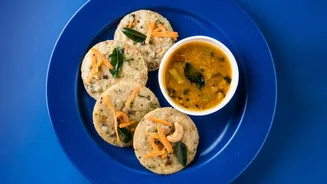
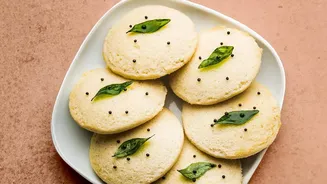
At its heart, fermentation is a traditional method of preserving and transforming food. In South Indian kitchens, it is the invisible, overnight process that turns a humble blend of soaked and ground rice and urad dal into the light, airy batter essential
for idli and dosa. This is not just about leavening; it is a deliberate and sophisticated technique. Microorganisms, naturally present on the grains, get to work, fundamentally altering the batter's composition. This process, passed down through generations, is a testament to an intuitive understanding of food science, predating modern nutritional labels and health trends. It sets the stage for a remarkable nutritional enhancement that makes these dishes both delicious and profoundly healthy.
A Symphony of Microbial Work
The fermentation of idli and dosa batter is driven by a community of naturally occurring microorganisms, primarily Lactic Acid Bacteria (LAB) like Leuconostoc and Lactobacillus, along with wild yeasts. These tiny organisms, present on the surface of the rice and lentils, spring to life in the wet, warm environment of the batter. They begin breaking down complex carbohydrates into simpler sugars. As they multiply, these bacteria produce lactic acid and carbon dioxide. The carbon dioxide gets trapped within the batter, causing it to rise and creating the characteristic spongy texture of idlis and the delicate crispness of dosas. The production of lactic acid lowers the batter's pH, giving it a subtle tangy flavour and, importantly, acting as a natural preservative that inhibits the growth of harmful bacteria.
Unlocking 'Bioaccessible' Nutrients
One of the most significant benefits of fermentation is how it makes nutrients more 'bioaccessible'—meaning, easier for our bodies to absorb. Grains and lentils contain compounds known as 'anti-nutrients', such as phytic acid, which bind to minerals like iron, zinc, and calcium, preventing their absorption. During fermentation, the bacteria produce an enzyme called phytase, which breaks down a significant portion of this phytic acid. As a result, essential minerals are 'unlocked' and made available for the body to use. This is particularly crucial in plant-based diets, where mineral deficiencies can be a concern. Fermentation can increase the bioavailability of iron, for example, which is vital for preventing anaemia.
A Natural Boost of Vitamins and Probiotics
The microbial activity during fermentation doesn't just reduce anti-nutrients; it also synthesises new ones. These beneficial bacteria produce a range of B vitamins, including riboflavin (B2), thiamine, and folic acid, which are crucial for energy metabolism and overall cellular health. Furthermore, fermented foods like idli and dosa are a natural source of probiotics. These live, beneficial bacteria help maintain a healthy balance in our gut microbiome. A robust gut microbiome is linked to numerous health benefits, including improved digestion, a stronger immune system, and even better mental health. Consuming these traditional foods is a simple way to support the foundation of our well-being.
Beyond the Breakfast Plate
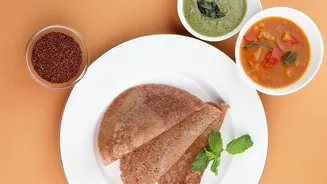
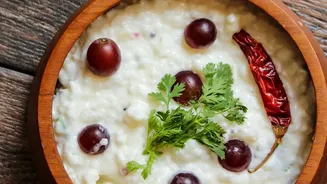
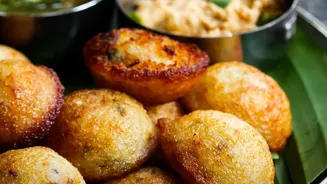
While idli and dosa are the most famous examples, the principle of fermentation enriches a wide array of South Indian foods. Appam, a lacy pancake made from fermented rice batter and coconut milk, follows a similar principle. Fermented rice gruel, known as 'pazhankanji' or 'neeragaram', is a traditional dish valued for its cooling and hydrating properties, packed with nutrients made available overnight. Even curd rice (thayir sadam) and spiced buttermilk (neer mor) rely on fermentation to provide probiotics that soothe the digestive system. These dishes showcase a culinary tradition deeply connected to enhancing nutrition and digestibility through natural processes.