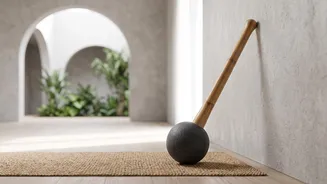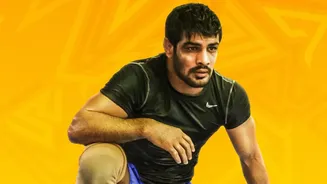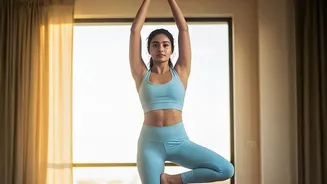


For years, the sound of Indian fitness was the clank of iron in a gym. Today, a new rhythm is emerging, one that echoes from ancient akhadas and martial arts schools as young Indians swap treadmills for tradition in a quest for holistic wellness.
From Global Trends to Local Roots
India’s
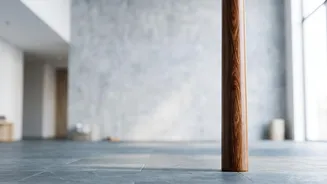
fitness landscape, long dominated by Western models of bodybuilding, cardio, and high-intensity interval training (HIIT), is witnessing a significant cultural shift. A growing number of young people are looking past the globalised gym culture and turning inward, rediscovering the power of 'Desi fitness'. This umbrella term covers a range of indigenous practices, from the raw strength of Kushti wrestling in mud-pit akhadas to the fluid, deadly grace of Kalaripayattu, often cited as one of the world's oldest martial arts. Also gaining traction are disciplines like Mallakhamb, a form of gymnastics on a vertical wooden pole, and traditional bodyweight exercises like dands (push-ups) and baithaks (squats). This isn't just about nostalgia; it's a conscious move towards functional strength, discipline, and a connection to cultural heritage that a standard gym membership often fails to provide.
More Than Just a Workout
The appeal of Desi fitness for modern youth goes far beyond physical gains. In a world of digital fatigue and sedentary corporate jobs, these ancient practices offer a holistic system for well-being that integrates the body, mind, and spirit. The philosophy of an akhada, for instance, is built on discipline, equality, and a life of simplicity, where wrestlers often live and train together, following a strict regimen. Similarly, Kalaripayattu training is not just about combat; it incorporates healing traditions, meditation, and movements inspired by nature. This approach directly answers a growing demand among young Indians for wellness that addresses stress, mental clarity, and longevity, rather than focusing purely on aesthetics or extreme intensity. It represents a shift from wanting to just look fit to feeling functionally strong and mentally balanced.
The New Gurus and Platforms
This revival isn't happening in a vacuum. It's being driven by a new generation of gurus and amplified by both modern media and government initiatives. Fitness icons like Baba Ramdev have recently taken to social media to encourage youth to adopt traditional exercises. Meanwhile, dedicated coaches, or 'gurukkals', are keeping the flame of arts like Kalaripayattu alive, sometimes breaking centuries-old traditions by opening their doors to women and adapting their teachings for urban professionals. Simultaneously, government-backed platforms like the Khelo India Games are providing a national stage for indigenous sports like Mallakhamb, bringing them out of rural arenas and into the mainstream consciousness. This combination of grassroots passion and high-level visibility is making these once-niche practices more accessible and appealing to a wider audience than ever before.
Challenges on the Path to Mainstream
Despite its growing appeal, the journey for Desi fitness to become a mainstream pillar of wellness is not without hurdles. The ubiquity and marketing muscle of modern commercial gyms remain a powerful force. Many traditional practitioners still struggle to make a sustainable living from their art, often needing 'day jobs' to support their passion. Furthermore, the safe and authentic transmission of these arts is a concern. The discipline of Kushti or the complex weaponry of Kalaripayattu requires expert, in-person guidance that is difficult to scale. Without proper instruction, the risk of injury is high, and the deep philosophical underpinnings of the practice can be lost, reducing a holistic discipline to a mere workout fad.