







UPI: The Cost for Consumers and Merchants
For individual users, the Unified Payments Interface (UPI) remains largely free. Person-to-person (P2P) transfers, like sending money to a friend, carry no charge. The same applies when you pay a merchant for any amount up to ₹2,000 using your bank account
linked to UPI. However, the system's long-term sustainability has led to changes for merchants. Starting October 15, 2026, a Merchant Discount Rate (MDR) of 0.4% will apply to eligible merchant transactions over ₹2,000. This fee is paid by the merchant, not the customer. For very large transactions of ₹75,000 or more, this fee is capped at ₹300. The government has clarified that merchants should not pass this cost on to consumers. This move aims to create a revenue stream to maintain the payment ecosystem, which was previously supported by government subsidies. Small merchants, however, may continue to enjoy zero MDR.
Credit Cards: The Price of Perks
Credit cards operate on a different model. Their primary allure lies in reward points, cashback, air miles, and benefits like airport lounge access. These perks are funded by a much higher MDR, typically ranging from 1.5% to 2.5%, which merchants pay for every transaction. This is why some smaller shops may be hesitant to accept cards or might have a minimum purchase amount. While you don't directly pay this fee, it's factored into the price of goods and services. The convenience of 'buy now, pay later' comes with the responsibility of timely repayment to avoid high interest charges. In 2026, many banks have also been 'devaluing' their reward programs by increasing spending requirements for milestone benefits or reducing cashback rates, making it more challenging to extract maximum value.
Convenience and Acceptance
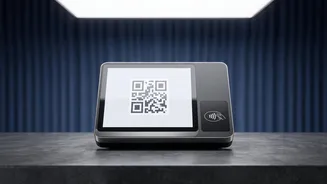
On convenience, UPI is the undisputed champion for its sheer ubiquity. The QR code has penetrated every corner of the country, from street vendors to large showrooms, making it incredibly easy to make instant payments with just a smartphone. Its process is often faster, involving a quick scan and PIN entry within a single app. Credit cards, while widely accepted in urban centres and online, are not as universally present in smaller towns and among micro-merchants. However, the rise of RuPay credit cards linked to UPI is bridging this gap, allowing users to scan a QR code and pay using their credit line. For international transactions, credit cards remain the more globally accepted and practical option.
Security and Purchase Protection
Both payment methods have robust security features, but they offer different kinds of protection. UPI transactions are authorized via a secure PIN, but they are instantaneous and bank-to-bank, making them difficult to reverse in case of a dispute. Credit cards, on the other hand, offer a crucial layer of protection through chargebacks. If you buy a faulty product or don't receive a service you paid for, you can file a dispute with your card issuer, which can investigate and reverse the charge. This makes credit cards a safer bet for high-value purchases, online shopping, and transactions with unfamiliar merchants where you might need recourse.
The Final Verdict: A Hybrid Strategy
There is no single best payment method; the smart approach is to use both strategically. For small, everyday expenses like buying groceries, paying for a taxi, or splitting a bill with friends, UPI's speed and convenience are unmatched. It also helps in controlling spending as the money is debited directly from your account. For larger, planned purchases like electronics, flights, and online shopping, a credit card is often the better choice. It not only helps manage cash flow but also offers valuable rewards and crucial purchase protection. By choosing a card that aligns with your spending habits—be it travel, dining, or online shopping—you can earn significant benefits over time.