


The Rise of the Guilt-Free Samosa
Let’s be honest: the love for samosas is a national sentiment. It’s the perfect companion to a rainy day, a cup of chai, or an evening chat with friends. But the traditional method of deep-frying a maida-based pastry, while delicious, often comes with a side
of guilt and a heavy dose of calories. This is where the 'healthier samosa' trend comes in. It’s not about giving up the snack we adore; it's about reinventing it for a modern, health-conscious lifestyle. Food lovers and home cooks across India are experimenting with new techniques and ingredients to create a version that delivers on flavour without compromising on wellness. This isn’t a fleeting fad but a genuine culinary movement, driven by the desire to enjoy our favourite foods in a more mindful way.
Winning the War on Oil
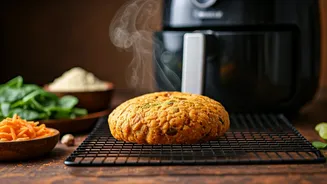
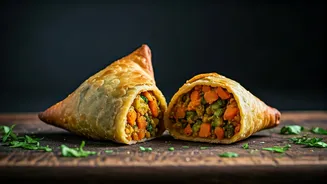
The biggest villain in the samosa story has always been the deep-frying. So, what’s the alternative? The answer lies in your kitchen oven or the increasingly popular air fryer. Baking your samosas is a game-changer. Simply brush them lightly with oil and bake in a preheated oven at around 200°C (400°F) for 20-25 minutes, or until golden brown and crisp. The result is a crunchy, flaky exterior without the excessive grease. Even better is the air fryer, which uses circulating hot air to achieve a remarkably 'fried' texture with up to 80% less oil. An air-fried samosa, cooked at 180°C (360°F) for 15-20 minutes, is astonishingly close to the real deal. These methods drastically cut down the fat and calorie count, making your favourite snack a much lighter indulgence.
Rethinking the Golden Crust
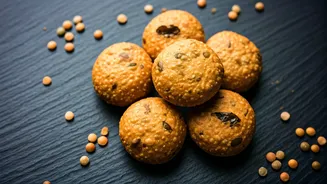
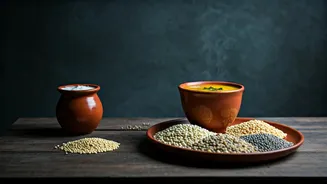
The crispy outer layer, or 'patti', is the soul of the samosa. Traditionally made with refined wheat flour (maida), it offers that signature crunch but little nutritional value. The modern, healthier samosa starts by swapping maida for more wholesome alternatives. Whole wheat flour (atta) is the most popular choice, adding fibre and a lovely nutty flavour to the crust. Not only does it make the samosa more filling, but it also has a lower glycemic index. For the more adventurous, multigrain flour or even oat flour can be used to create the dough. These flours pack a powerful nutritional punch with added protein and complex carbohydrates, transforming the samosa from a simple snack into a more balanced treat.
It's What's Inside That Counts
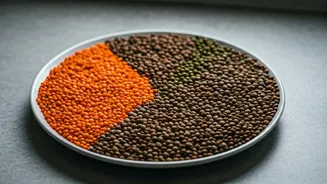
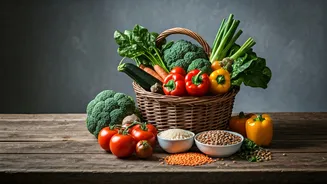
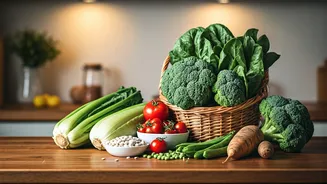
The classic spiced potato and pea filling is timeless, but the healthier samosa opens up a world of creative possibilities. Swapping out a portion of the potatoes for other vegetables is an easy way to boost the nutritional content. Think finely chopped carrots, beans, cauliflower, and corn. For a protein-rich version, consider a filling of spiced paneer and spinach, crumbled soya, or even sprouted moong dal. These alternatives not only add diverse textures and flavours but also make the samosa a more well-rounded and satisfying snack. The key is to pack it with flavour using spices like garam masala, amchur (dried mango powder), and coriander, so you don’t miss the classic taste.
Don't Forget the Chutney
A samosa is incomplete without its dipping sauces, but store-bought chutneys can be loaded with sugar and preservatives. Elevate your healthy samosa experience by pairing it with a fresh, homemade chutney. A vibrant mint-coriander chutney is incredibly easy to make with fresh herbs, green chillies, ginger, and a dash of lemon juice. It’s packed with antioxidants and flavour. For a touch of sweetness, a tamarind and date chutney made at home allows you to control the sugar content, using natural sweeteners like jaggery sparingly. These simple swaps ensure that your entire snack experience, from the pastry to the dip, is wholesome and delicious.