



The Great Monsoon Dilemma
Every year, the monsoon season presents a familiar challenge for commuters across India: how to get to work without ruining expensive shoes or enduring the discomfort of soggy feet all day. Leather gets warped, canvas soaks through, and delicate soles
offer no protection. The result is a shoe rack filled with casualties and a daily compromise between looking professional and staying dry. The ideal monsoon shoe needs to do more than just survive the rain; it must offer safety on slick pavements, dry quickly, and ideally, be stylish enough to wear from the street into the office without a mandatory change.
The 2026 Material Shift: Beyond Basic Rubber
For years, the default monsoon option was a simple pair of rubber flip-flops. While waterproof, they often lacked grip, support, and any sense of style. The footwear landscape in 2026, however, has evolved significantly. High-grade PVC, EVA (ethylene-vinyl acetate), and treated synthetic materials now dominate the market. These modern materials are not only 100% waterproof but also lightweight, flexible, and easy to clean. Some brands are even using proprietary materials like Melflex, which is a form of PVC that is both durable and comfortable. The “gorpcore” trend, focusing on functional, adventure-ready gear, has also influenced daily wear, meaning shoes with trail-ready grip are now considered fashionable for city commutes. This shift means you no longer have to sacrifice aesthetics for functionality.
Style Meets Function: Top Flat Choices
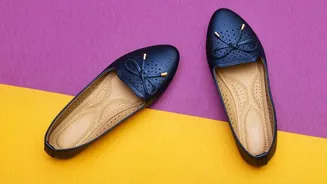
The fusion of new materials and commuter needs has produced a range of stylish, monsoon-ready flats. Jelly footwear, once a nostalgic trend, is back with sophisticated silhouettes like ballet flats and loafers that are perfect for office settings. These offer closed-toe protection with a modern, often translucent, appeal in versatile colours like black, beige, and even emerald green. Waterproof clogs and sliders are another popular choice, providing excellent ventilation, a secure fit, and quick-drying properties that make them a go-to for daily errands and casual commutes. For those needing a more formal look, waterproof loafers made from PVC or treated synthetics offer a seamless transition from a wet commute to a professional environment.
Non-Negotiable Features for Wet Commutes
When shopping for your next pair of monsoon flats, look beyond the style and focus on these essential features. First and foremost is a high-traction, anti-slip sole. Look for deep grooves or textured patterns on the outsole, which channel water away and provide a better grip on slippery surfaces like tiled station floors or slick pavement. Second, prioritize a secure fit. Strapped sandals or shoes with a good heel cup prevent your foot from sliding around, reducing the risk of slips and blisters. Third, consider breathability. Look for styles with some ventilation to prevent fungal infections and odour, which can be common in humid conditions. Finally, quick-drying capabilities are crucial to prevent shoes from staying damp and developing mould.
Caring for Your Monsoon Footwear
Even the most durable monsoon shoes need a little care to last the season and beyond. The best part about materials like rubber, PVC, and EVA is that they are incredibly easy to clean; a quick rinse and wipe-down is usually all it takes to remove mud and grime. For a deeper clean, most can be washed with soap and water. Always ensure your shoes are completely dry before storing them to prevent any unpleasant odours or mould growth. Avoid drying them in direct, intense heat, which can cause materials to warp or crack. Instead, let them air dry in a well-ventilated area. Taking out removable insoles can also help speed up the drying process significantly.