



Why Georgia Is a Magnet for Young Indians
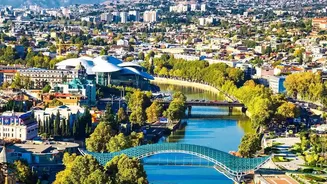
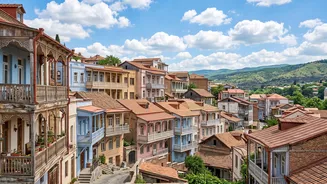
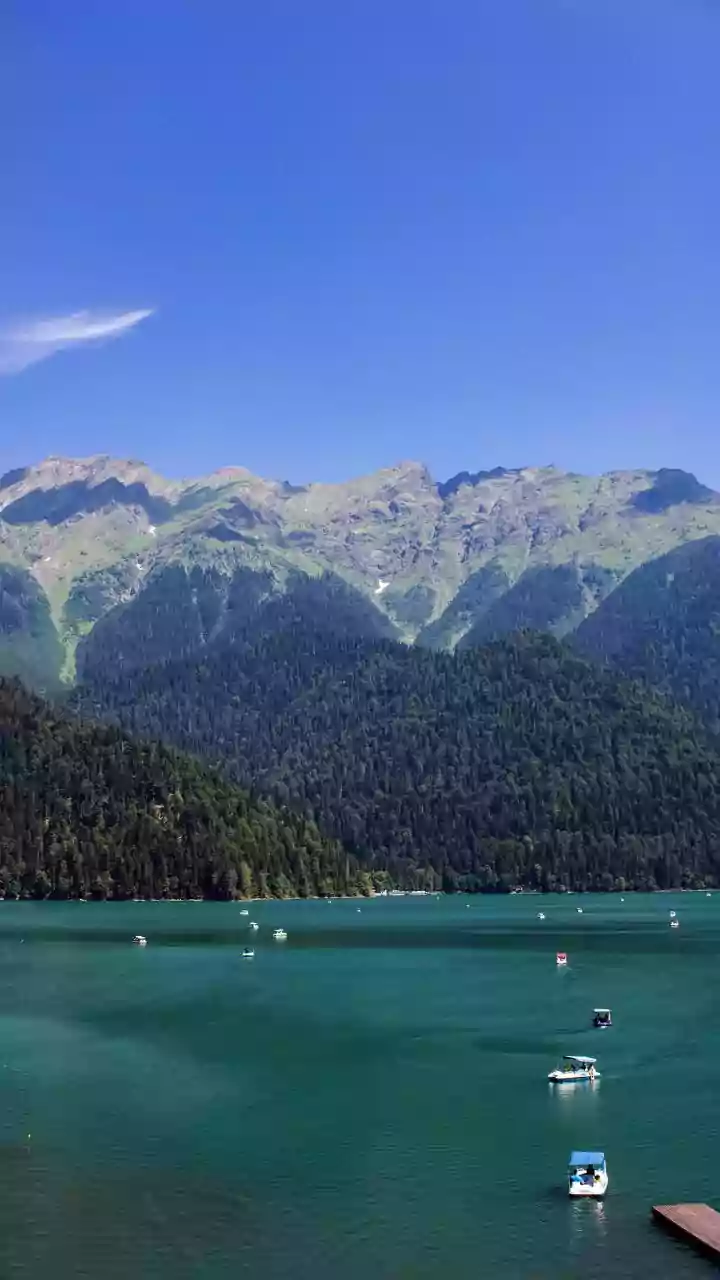
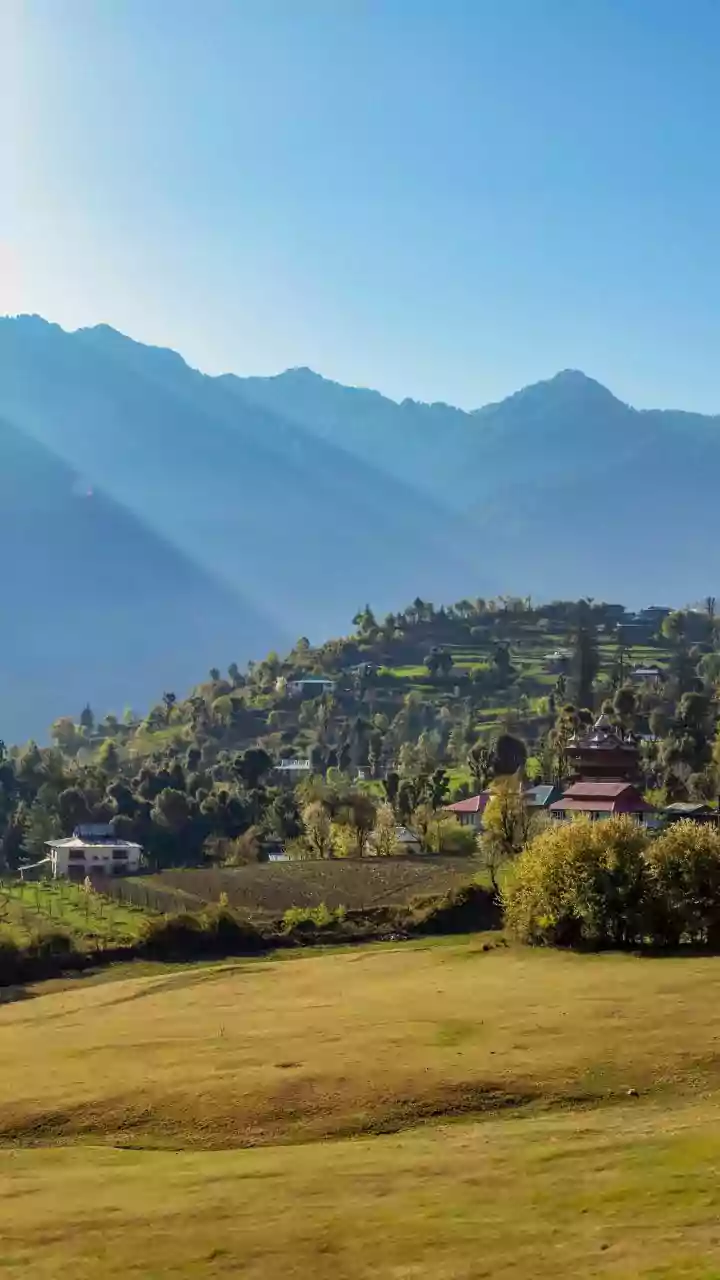
For a generation of Indian travellers raised on social media, Georgia looks like a premium destination with its mediaeval towns, snow-capped peaks, and chic city cafes. The reality, however, is that it's one of the most budget-friendly international trips
available. A key factor is the visa policy. Many Indian passport holders can enter Georgia visa-free if they have a valid visa or residence permit from countries like the UAE, UK, or USA, while others can apply for a straightforward e-visa online. This ease of access, combined with landscapes that feel a world away, makes it an irresistible alternative to more conventional and costly destinations.
Your Realistic Daily Budget
The most pressing question for any budget traveller is: how much will it actually cost? In Georgia, your money goes a long way. A comfortable daily budget for a backpacker can be as low as ₹2,000–₹3,000. This can cover a dorm bed, local meals, and transport. A more mid-range experience, with private rooms in guesthouses and meals at local restaurants, might average around ₹4,000–₹5,000 per day. For example, a day in the mountains could include a guesthouse stay (around ₹1,500), hearty local meals (₹800-₹1,200), and shared transport (₹500), keeping costs well within a minimal range. The biggest expenses are flights, but even those can be managed with advance booking.
Smart Stays: Hostels and Guesthouses
The key to a low-cost mountain adventure lies in accommodation. In mountain regions like Kazbegi (Stepantsminda) and Svaneti (Mestia), the best options are family-run guesthouses and hostels. A dorm bed in a well-rated hostel can cost as little as ₹800–₹1,500 per night. For those wanting more privacy, a private room in a guesthouse might cost between ₹2,000 and ₹3,500, often with the bonus of home-cooked Georgian meals for a small extra fee. These stays offer more than just a bed; they provide an authentic connection to Georgian hospitality, with hosts often sharing local tips and stories.
Eat Heartily Without Spending Heavily
Georgian food is a highlight of any trip, and it’s incredibly affordable. Forget expensive tourist-trap restaurants. The best and most authentic food is found in local eateries, bakeries, and markets. A classic Khachapuri (cheese-filled bread) from a bakery can be a filling meal for under ₹200. A plate of Khinkali (meat or vegetable dumplings) often costs less than ₹50 per piece. Young travellers can easily keep their daily food budget under ₹1,000 by eating at these local spots. Many hostels also have kitchens, allowing you to cook your own meals from fresh produce bought at the market, further cutting down costs.
Getting Around the Mountains on a Budget
Reaching the stunning mountain vistas doesn't require expensive private taxis. The most common and cheapest way to travel between cities and mountain towns is by marshrutka, a shared minibus system. A one-way trip from the capital, Tbilisi, to Kazbegi, the gateway to the famous Gergeti Trinity Church, costs around ₹400–₹600. These marshrutkas leave from central transport hubs like Didube Station in Tbilisi once they are full. While not luxurious, they are an efficient and authentic way to travel alongside locals. For shorter distances within towns, ride-hailing apps like Bolt are widely used and are significantly cheaper than hailing a taxi on the street.
Adventures That Don't Cost a Rupee
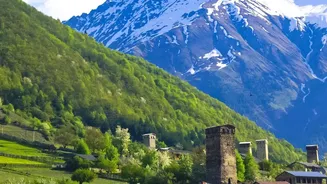
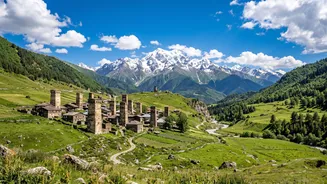
The best part about exploring Georgia's mountains is that the main attraction is free: nature itself. Hiking through the Caucasus valleys, witnessing the ancient Svaneti defense towers, and climbing to viewpoints overlooking snow-capped peaks costs nothing but your energy. The iconic hike up to Gergeti Trinity Church, with Mount Kazbek in the background, is a must-do and completely free. Many of the most memorable experiences come from simply walking, exploring the villages, and taking in the dramatic landscapes. Instead of paying for expensive organized tours, many young travellers team up with others at their hostel to share the cost of a local driver for a day to reach more remote trailheads, making even less accessible areas affordable.